
A reinforced concrete slab subjected to external loads induces a moment on the supporting beam, generating torsional forces. These torsional forces create diagonal tensile stresses throughout the beam’s peripheral region, which can lead to structural failure if not properly accounted for. To ensure structural integrity and longevity, engineers must adhere to the following four critical design rules:
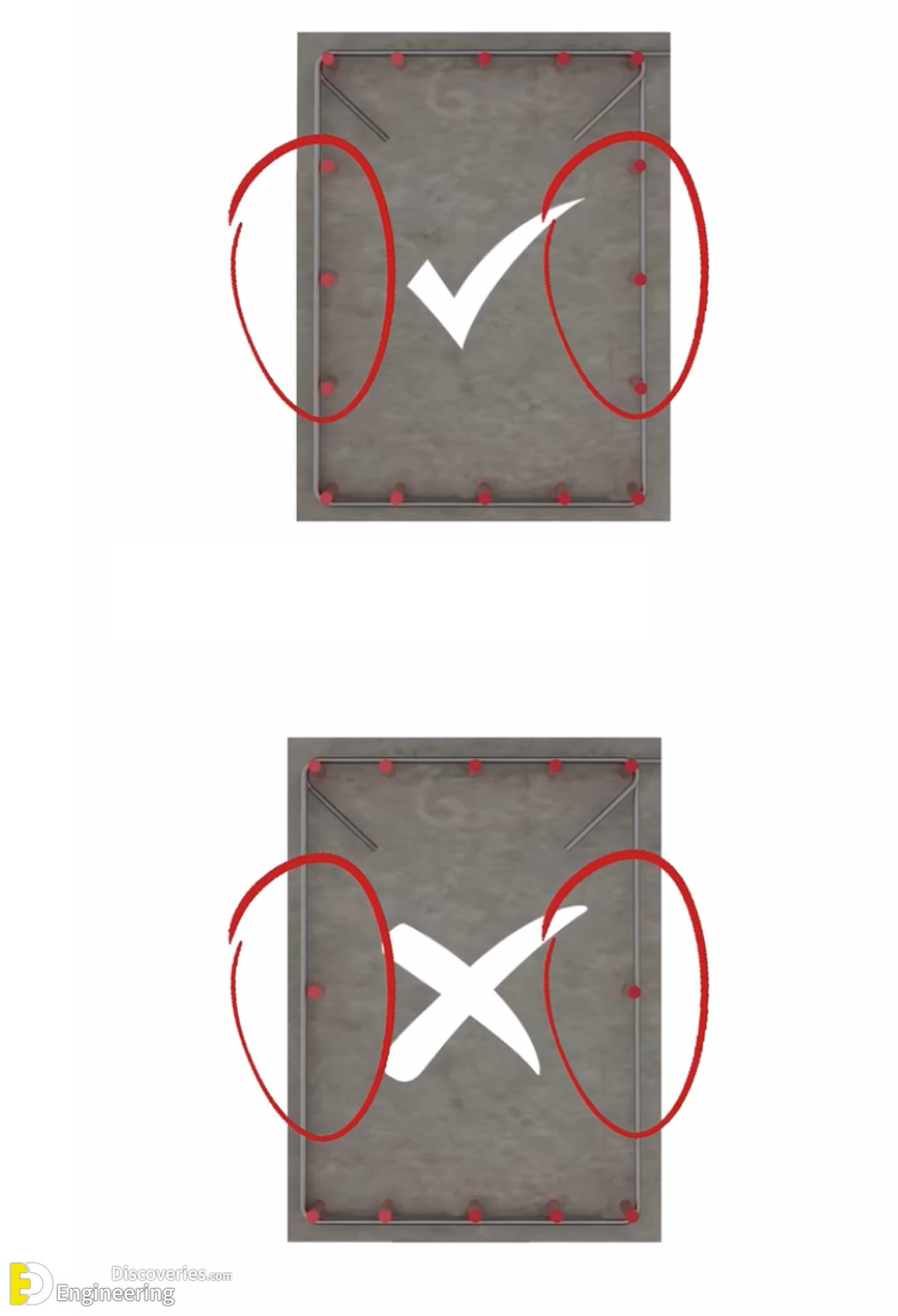
1. Strategic Placement of Longitudinal Reinforcement Along the Beam’s Perimeter
To effectively counteract torsional stresses, longitudinal reinforcement must be carefully placed along the entire periphery of the beam. The purpose of this reinforcement is to resist the primary tensile stresses induced by torsion. The proper placement of reinforcing bars (rebars) along the beam’s edges enhances the beam’s ability to sustain torsional moments and prevents cracking. Key considerations include:
2. Incorporation of Stirrups with a Double Hook for Maximum Effectiveness
Torsional forces induce shear stress that needs to be effectively managed. Closed-loop stirrups or ties with double hooks enhance the beam’s resistance to torsional cracking. This reinforcement configuration ensures:
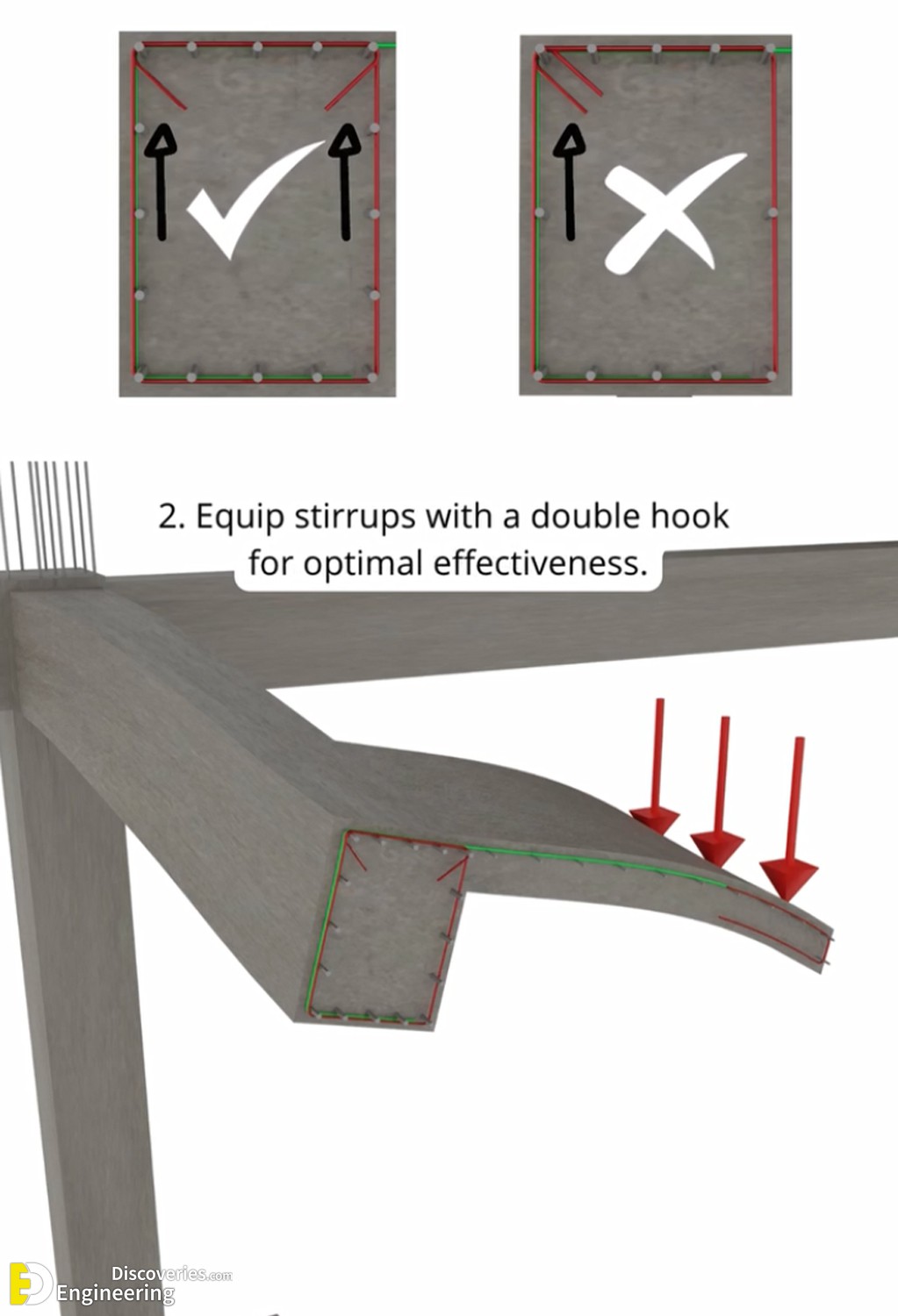
To optimize torsional resistance, stirrups should be closely spaced in critical regions where maximum torsion is expected. Spiral reinforcement may also be considered for sections experiencing extreme torsional demands.
3. Proper Anchorage of Slab Rebars into the Beam
When designing torsion-resistant beams, integrating slab reinforcement with the beam is crucial. This ensures that the slab and beam work compositely to resist applied loads. Rebar anchorage methods include:
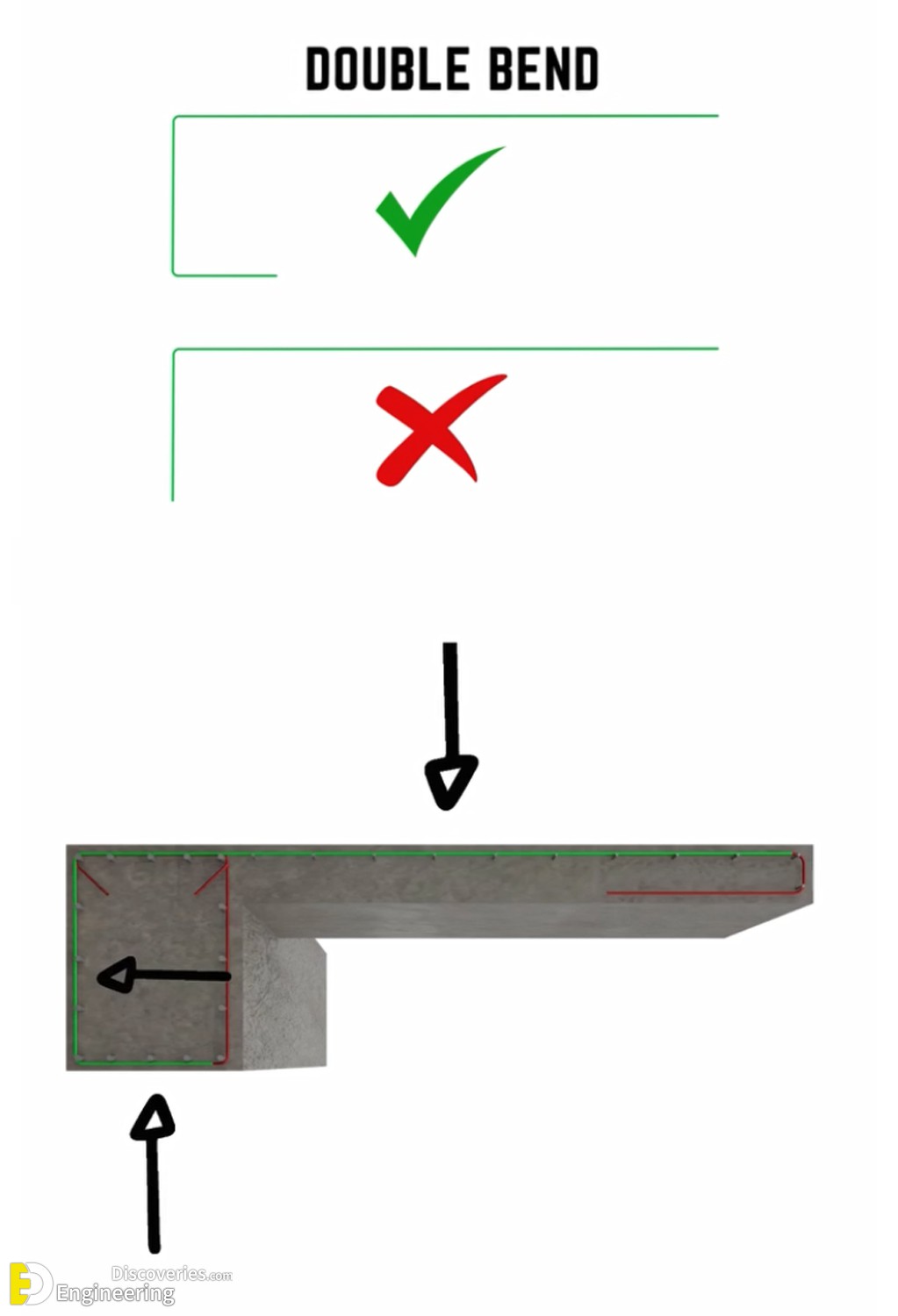
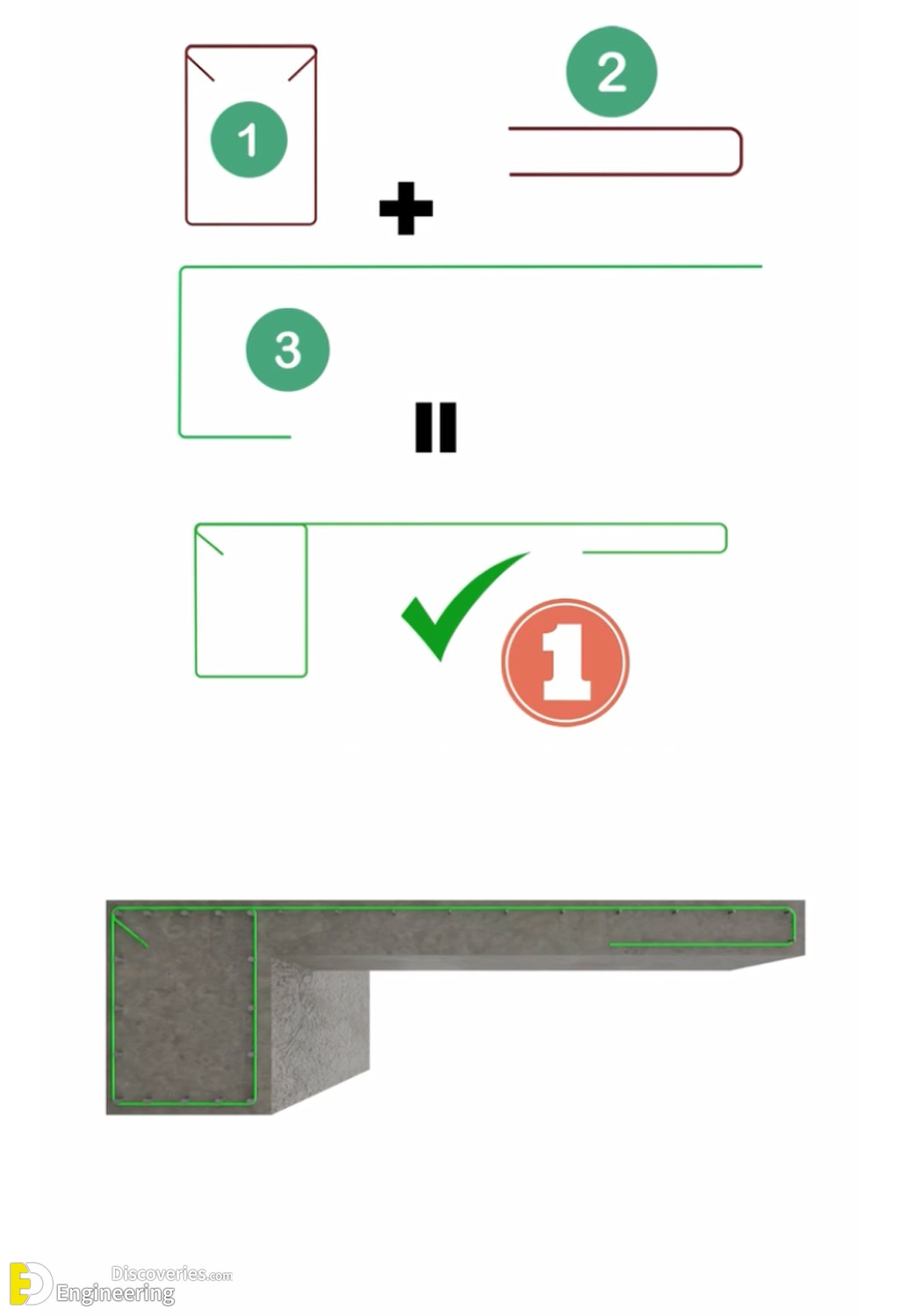
The proper anchorage of slab rebar reduces the risk of reinforcement slippage, enhances load-sharing capacity, and prevents structural discontinuities that could lead to torsional cracking.
4. Designing Beams with Increased Width to Meet Shear Strength Requirements
Torsional loads demand beams with higher shear strength, which often necessitates a wider cross-section. Increasing the beam width enhances its resistance to:
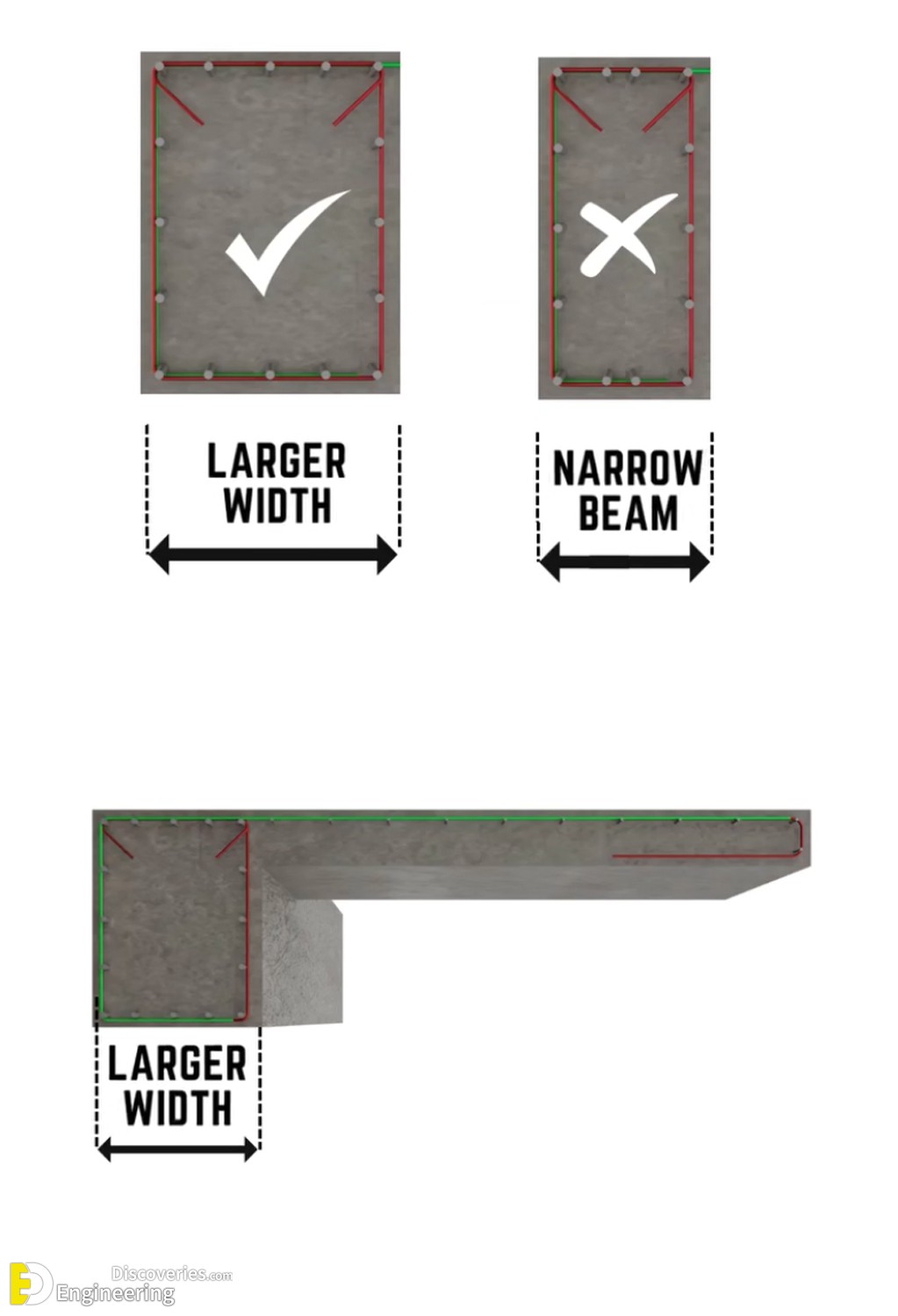
Additional design considerations include:
A wider beam section provides better torsional rigidity, minimizing twist and deflection under applied loads, thereby improving overall serviceability and durability.
Torsion-exposed beams require careful design considerations to ensure structural integrity and performance. By strategically placing longitudinal reinforcement, using stirrups with a double hook, properly anchoring slab rebars, and increasing beam width, engineers can effectively counteract torsional stresses and enhance beam durability. Implementing these four critical rules will improve the safety, efficiency, and lifespan of concrete beams subjected to torsion.
Click Here To See The Effective Height Of Concrete Columns: A Guide To Column Buckling
Loading related articles...
Loading recent articles...
Loading featured articles...
