
Understanding High-Tension Wires and Their Hazards
High-tension wires, also known as high-voltage transmission lines, play a vital role in delivering electricity over long distances. However, their proximity to residential structures poses numerous health, safety, and legal risks that homeowners must not ignore. Establishing a safe distance from high-tension wires is crucial to protecting human health, maintaining structural safety, and ensuring compliance with local zoning laws.
Recommended Safe Distance Between Houses and High-Tension Wires
The minimum safe distance between a house and high-tension power lines varies depending on the voltage level of the transmission line and local regulations. However, the following general guidelines are widely accepted:
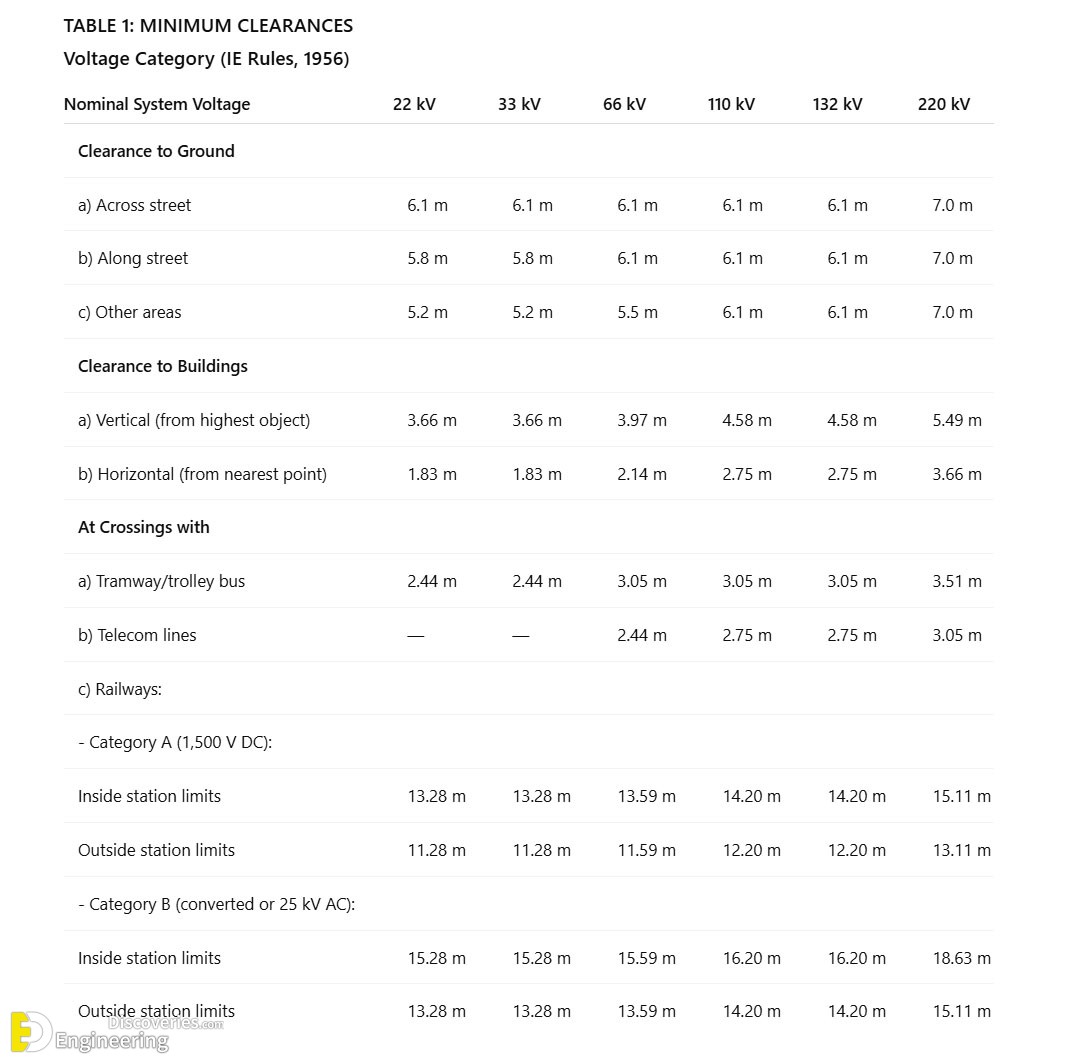
These distances help reduce electromagnetic field (EMF) exposure, protect against electrical hazards, and provide a buffer in case of line failure or collapse during natural disasters.
Health Hazards of Living Near High-Tension Wires
1. Electromagnetic Radiation Exposure
One of the most concerning aspects of living near high tension wires is prolonged exposure to electromagnetic fields (EMFs). Although research is ongoing, several studies have linked long-term EMF exposure to potential health risks:
2. Mental Health Impacts
Living under or near power lines has been associated with increased stress, anxiety, and depression. These issues are exacerbated by the constant humming noise, visual pollution, and perceived health risks, contributing to long-term mental discomfort and decreased quality of life.
Structural and Environmental Risks
1. Fire Hazards and Electrical Accidents
High tension wires carry large amounts of voltage, making them a potential fire hazard, especially during lightning storms or natural disasters. Any accidental contact, tree fall, or mechanical failure can result in sparks, short-circuits, or full-scale fire outbreaks that may engulf nearby homes.
2. Interference with Building Infrastructure
High tension wires can interfere with the operation of electronic appliances, Wi-Fi routers, television signals, and other wireless devices. This is caused by the electromagnetic interference (EMI) generated by high voltage power lines, leading to signal disruptions and reduced efficiency of electronic devices.
3. Risk of Line Collapse
During natural calamities such as earthquakes, cyclones, or floods, transmission towers and lines are prone to collapse. Houses situated too close to these lines are at higher risk of structural damage, fire, and electrocution.
Legal and Regulatory Concerns
1. Building Code Violations
Constructing a house too close to high tension wires may violate national or local building codes, resulting in legal penalties, demolition orders, or restricted usage of the property. It is critical to consult electrical safety regulations and municipal zoning laws before initiating any construction project near power lines.
2. Property Insurance Challenges
Properties located near high tension wires often face higher insurance premiums or may even be denied coverage due to the increased risk of fire and electrical hazards. This can affect long-term affordability and limit your options in the real estate market.
Negative Impact on Property Value
Properties adjacent to high tension wires generally experience significant depreciation in value. Potential buyers are deterred by the perceived health risks, legal complications, and aesthetic issues associated with nearby power lines. This results in:
Investors and homeowners should thoroughly evaluate this economic disadvantage before committing to properties near high voltage lines.
Visual and Aesthetic Drawbacks
High tension wires and towers are often unsightly and dominate the landscape, leading to visual pollution that can negatively affect the living environment. This is especially problematic in residential neighborhoods, where aesthetic appeal is a key factor in quality of life and property value.
Noise Pollution
Transmission lines, especially those carrying very high voltage, emit a constant humming or buzzing sound, often intensified during rainy or humid conditions. This continuous noise contributes to disrupted sleep, increased stress levels, and poor mental well-being over time.
How to Protect Yourself If You Already Live Near High-Tension Wires
If relocating is not an option, consider these safety measures:
Click Here To See Super Creative Electricity Transmission Line Towers
Loading related articles...
Loading recent articles...
Loading featured articles...
