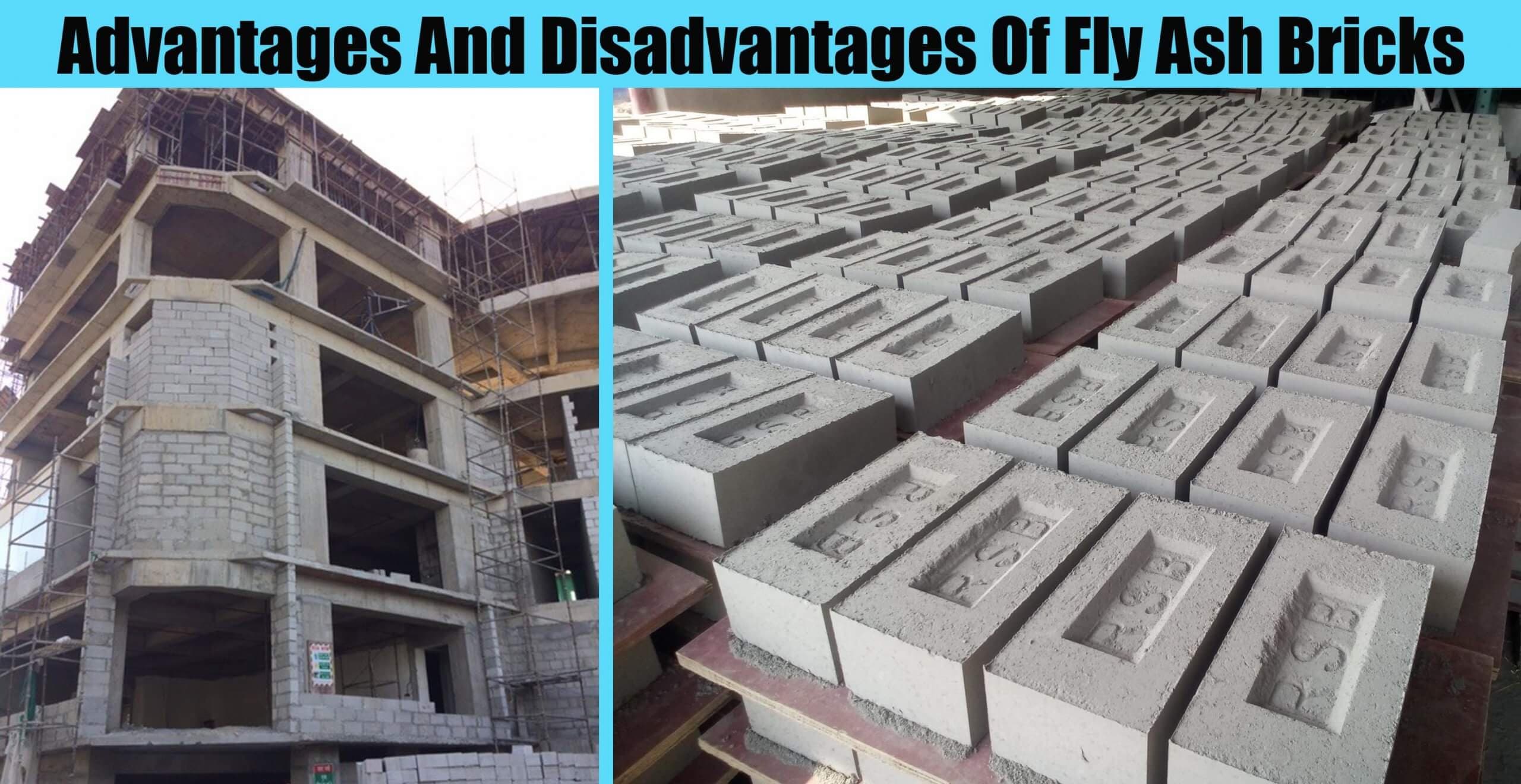
What Is Fly Ash Brick?
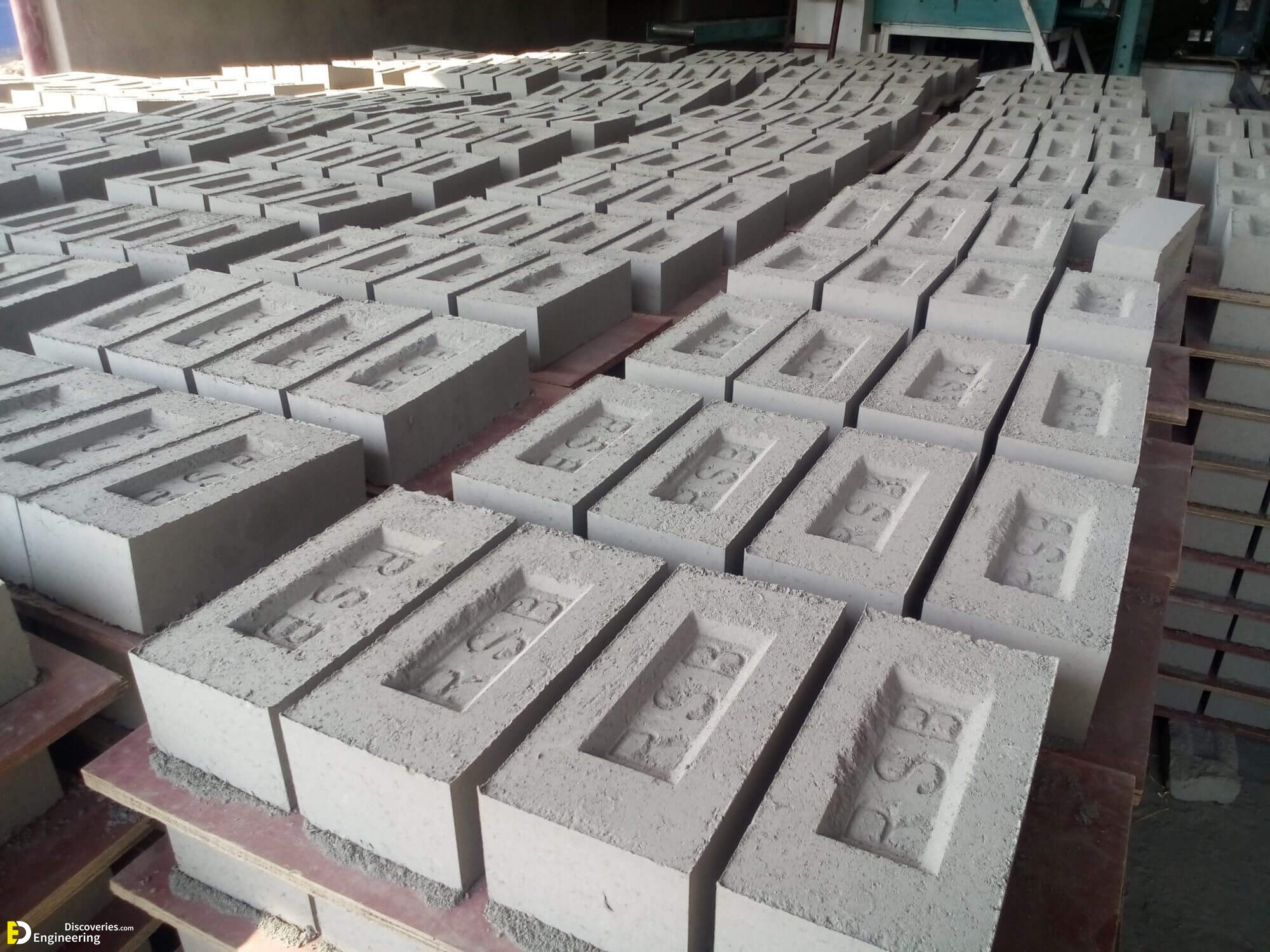
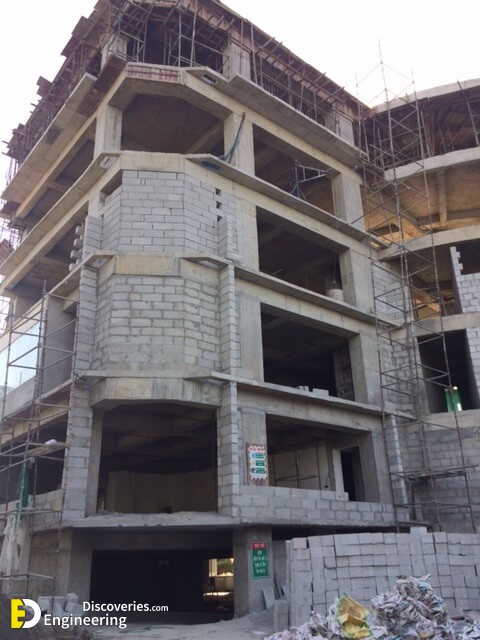
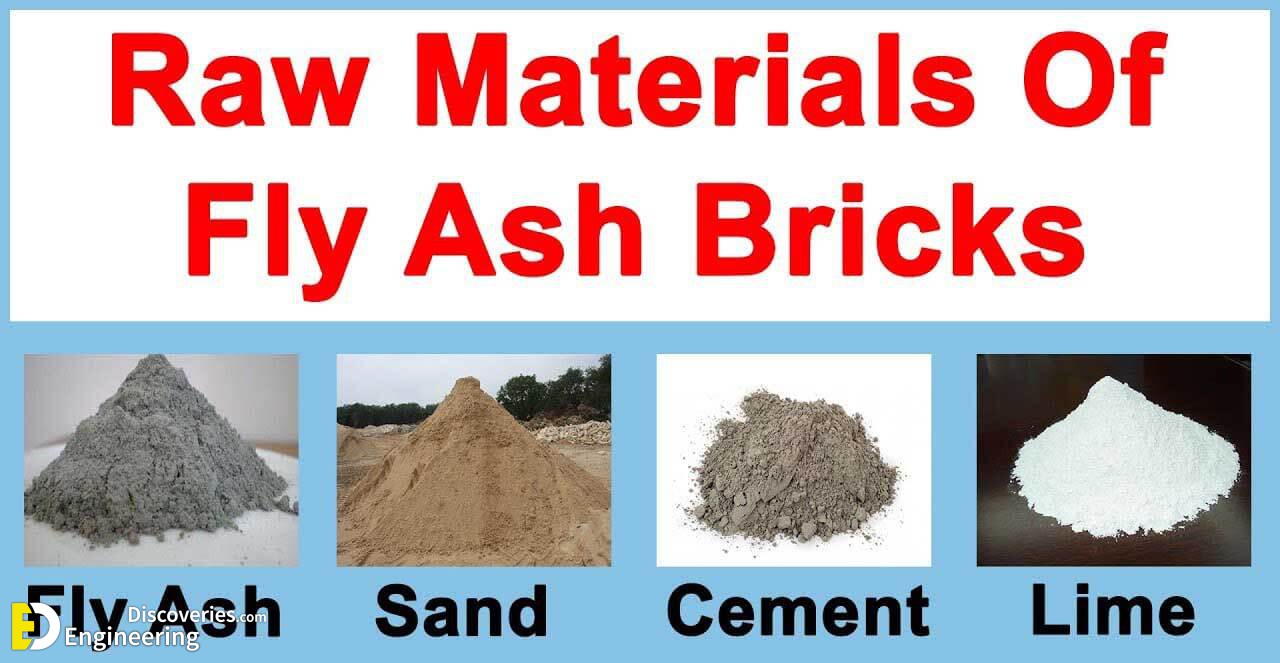
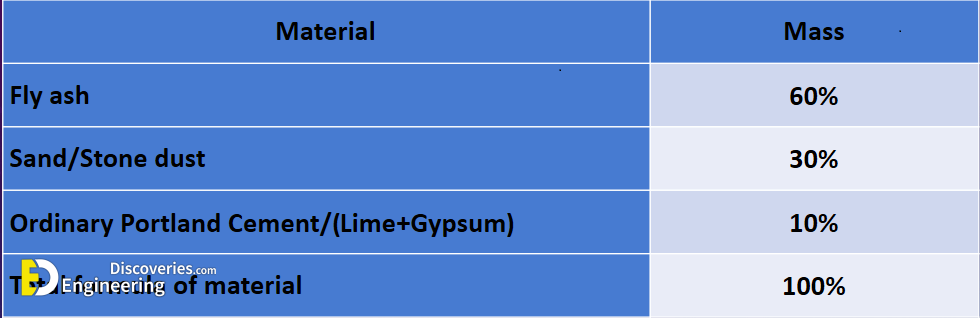
Fly ash bricks are manufactured from industrial wastes such as fly ash, cement, sand/stone dust. Fly ash bricks are nowadays used in worldwide with gaining its popularity over clay bricks.
The raw materials
Advantages
1- It reduces the dead load on structures due to lightweight (2.6 kg, dimension: 230 mm X 110 mm X 70 mm
2- Same number of bricks will cover more area than clay bricks
3- High fire Insulation
4- Due to high strength, practically no breakage during transport and use.
5- Due to the uniform size of bricks mortar required for joints and plaster reduces almost by 50%
6- Due to lower water penetration seepage of water through bricks is considerably reduced.
7- Gypsum plaster can be directly applied on these bricks without a backing coat of lime plaster.
8- These bricks do not require soaking in water for 24 hours. The sprinkling of water before use is enough
Disadvantages
1- Mechanical strength is low, but this can be rectified by adding marble waste or mortar between blocks.
2- Limitation of size. Only modular size can be produced. The large size will have more breakages.
3- It is only good for places like subtropical area or area where the climate is warm because it doesn’t absorb heat. But during cold, it is not helpful.
Loading related articles...
Loading recent articles...
Loading featured articles...
