
Column buckling is a phenomenon in structural engineering that occurs when slender elements under high compression suddenly collapse. Thankfully design measures can be taken to prevent this. Buckling load analysis shows the maximum load the column can resist before buckling. The factors impacting this analysis are element length, geometry stiffness, and the material’s elasticity. Another important nature of the failure mode is that it is instantaneous. This is also the reason why it is so deceptive and dangerous.
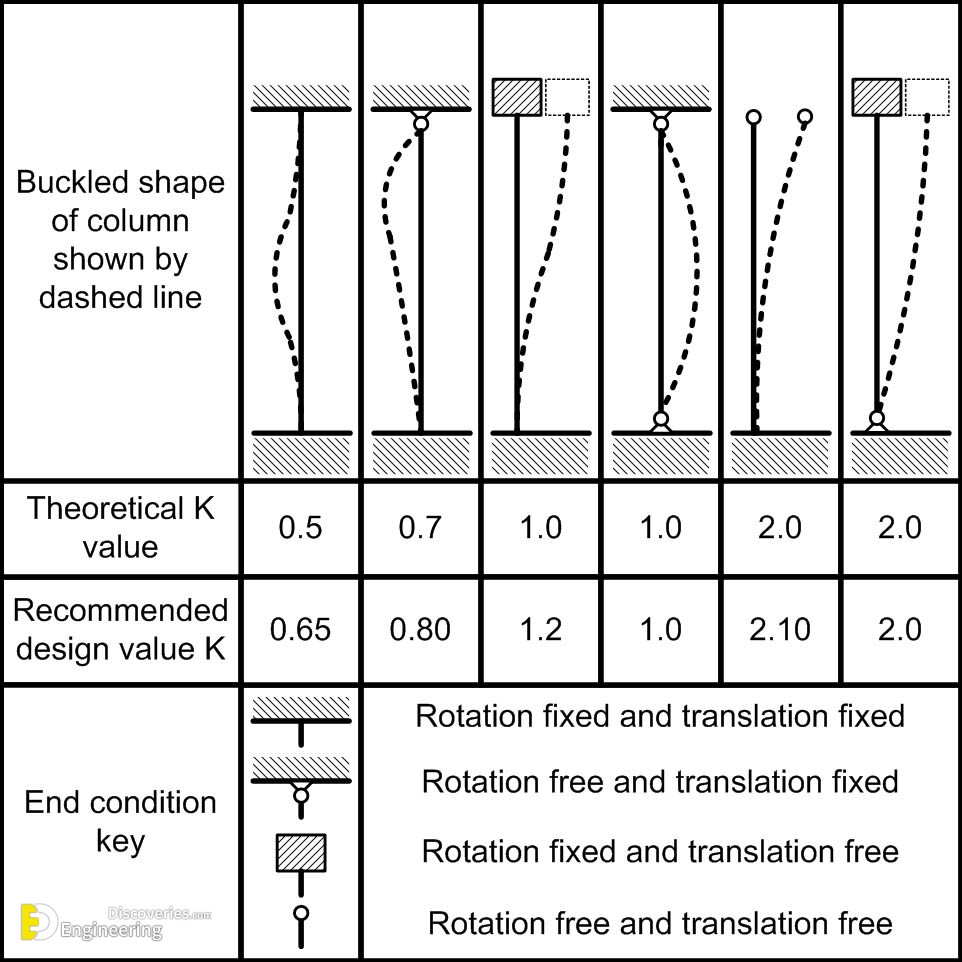
What Is Buckling?
Calculation of Column Buckling
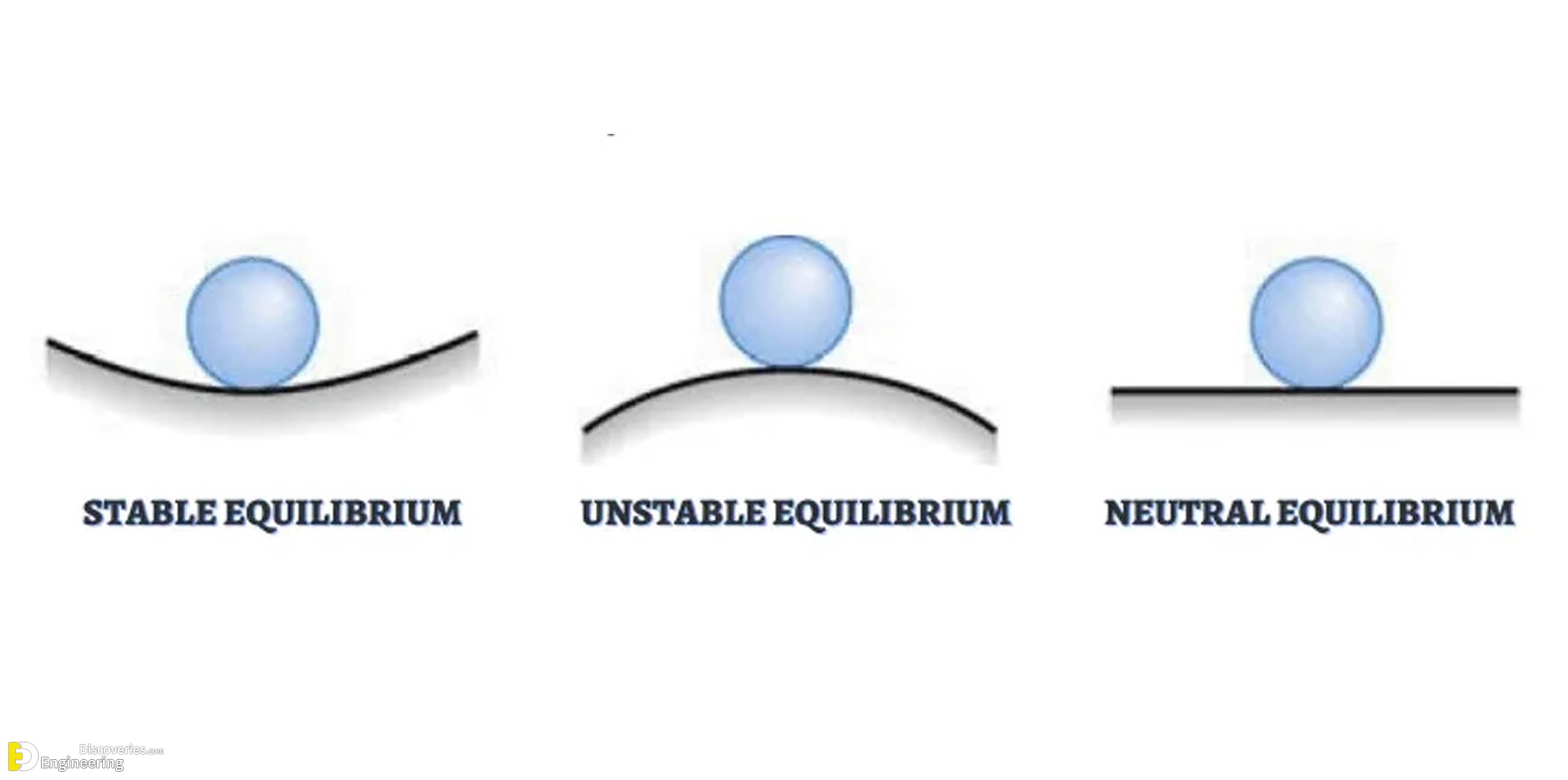
Euler’s formula offers a suitable equation to determine the critical stress, which is the average stress at which a column undergoes buckling. We will delve into Euler’s formula and explore other essential factors in subsequent sections.
The formula is as follows:
σcr=π2EI/(L/r)2
Where:
σcr denotes the critical stress, representing the average stress at which the column buckles.
L refers to the unsupported length of the column.
E signifies Young’s modulus of the material.
L/r denotes the factor of length, which reflects the end conditions of the column.
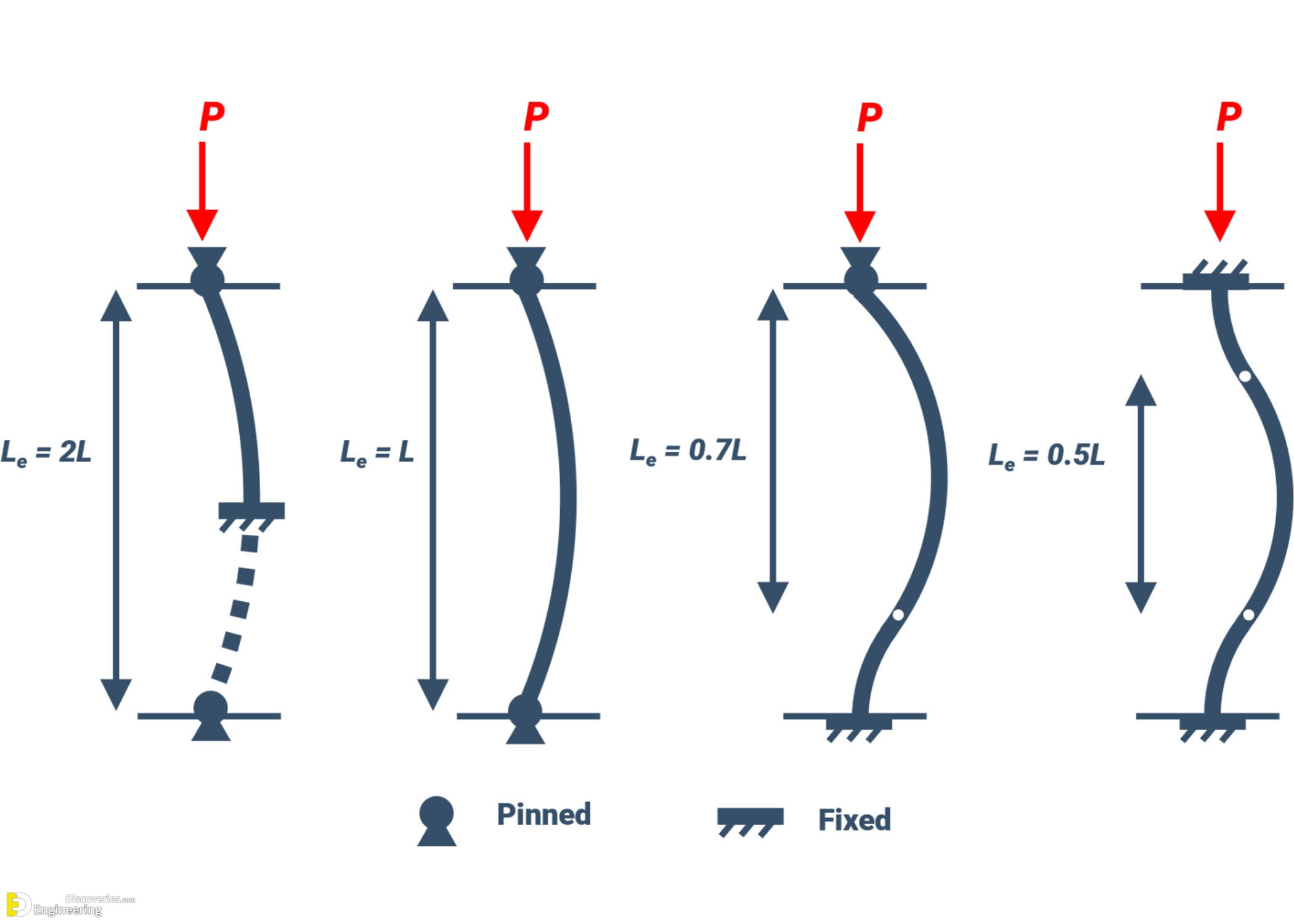
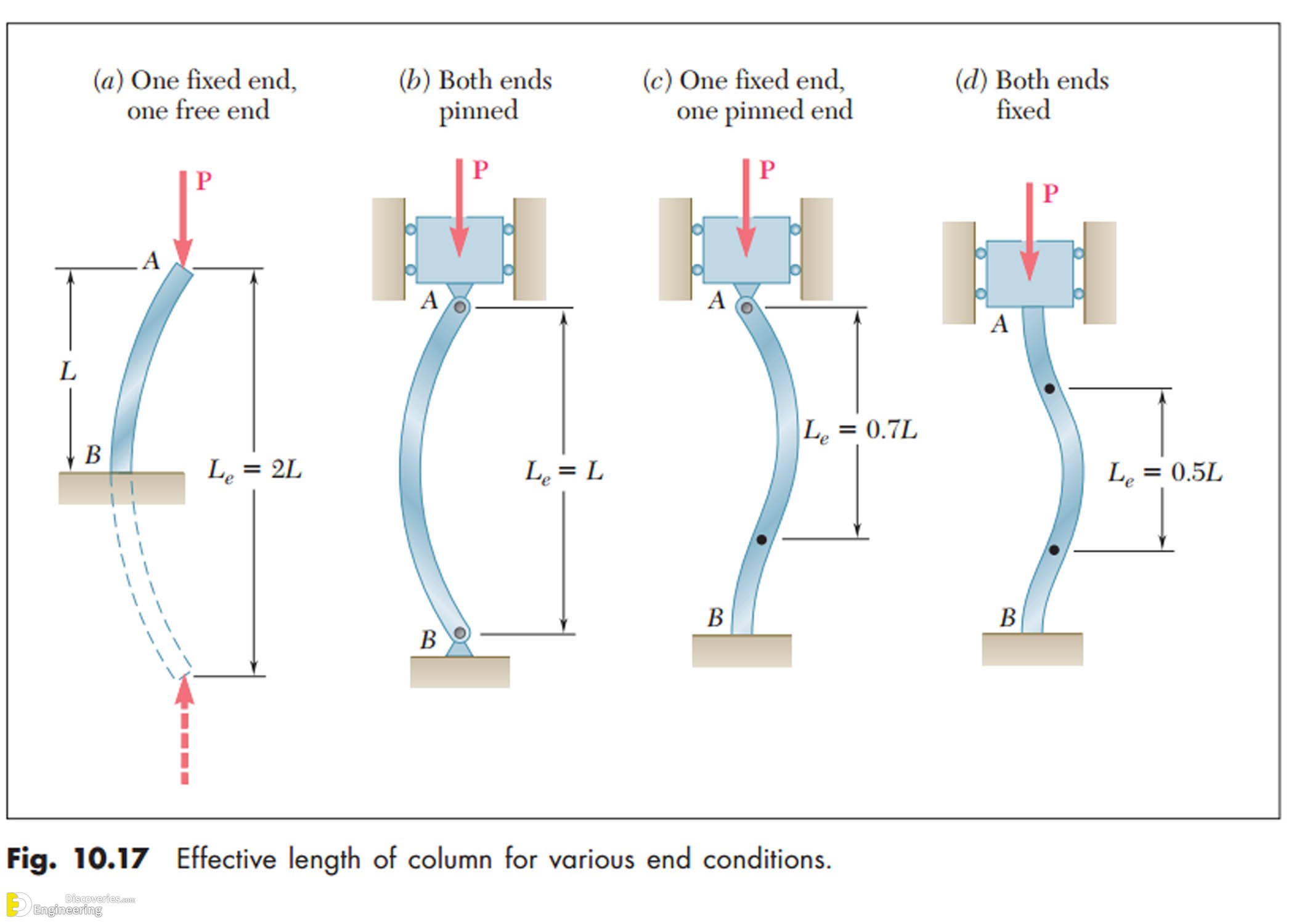
Types of Buckling:
Overall buckling capacity significantly influences the design of compressive members. Understanding these buckling modes helps engineers ensure structural stability and prevent premature failure.
Click Here To See Types Of Column Failure
Loading related articles...
Loading recent articles...
Loading featured articles...
