
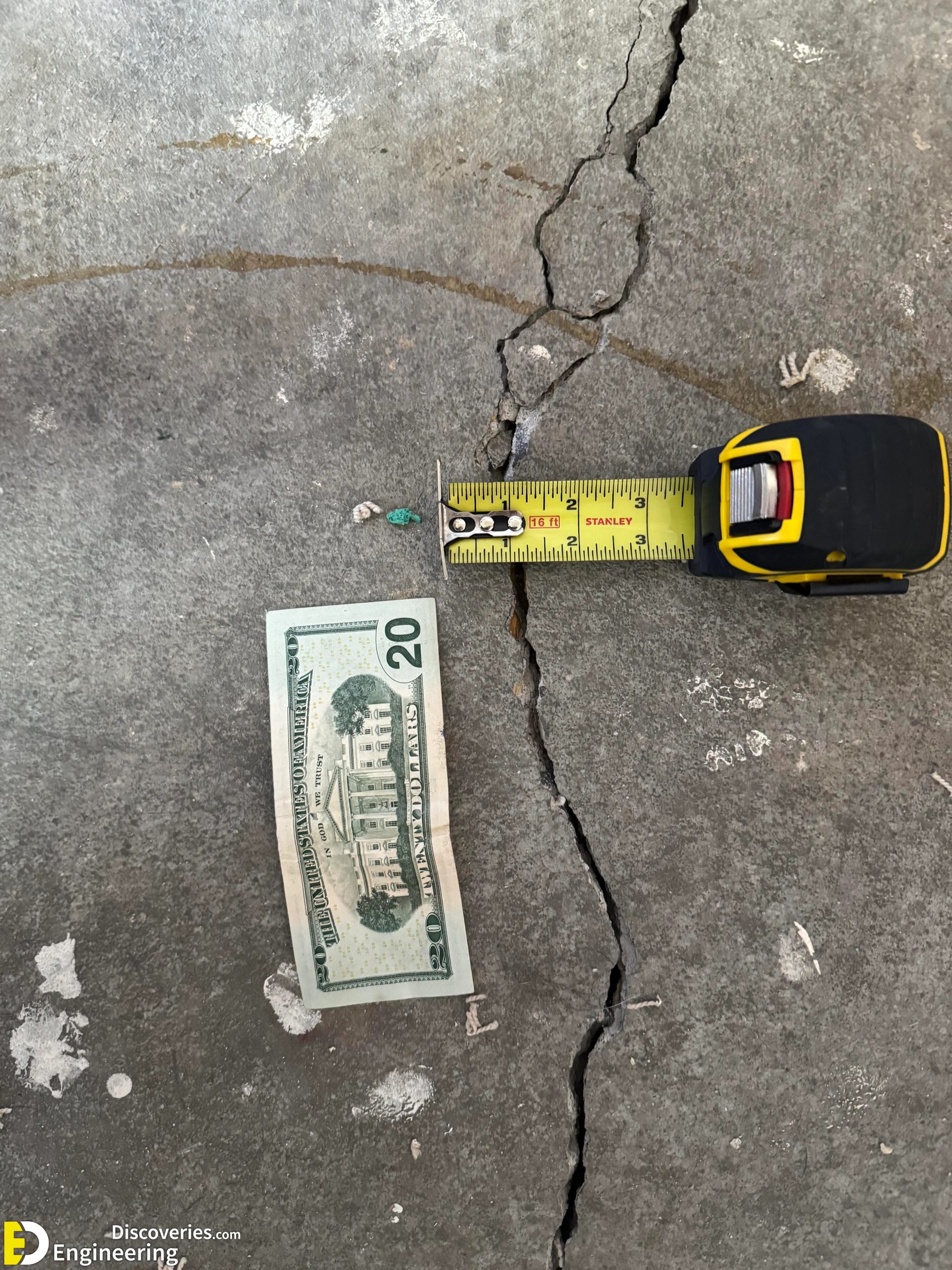
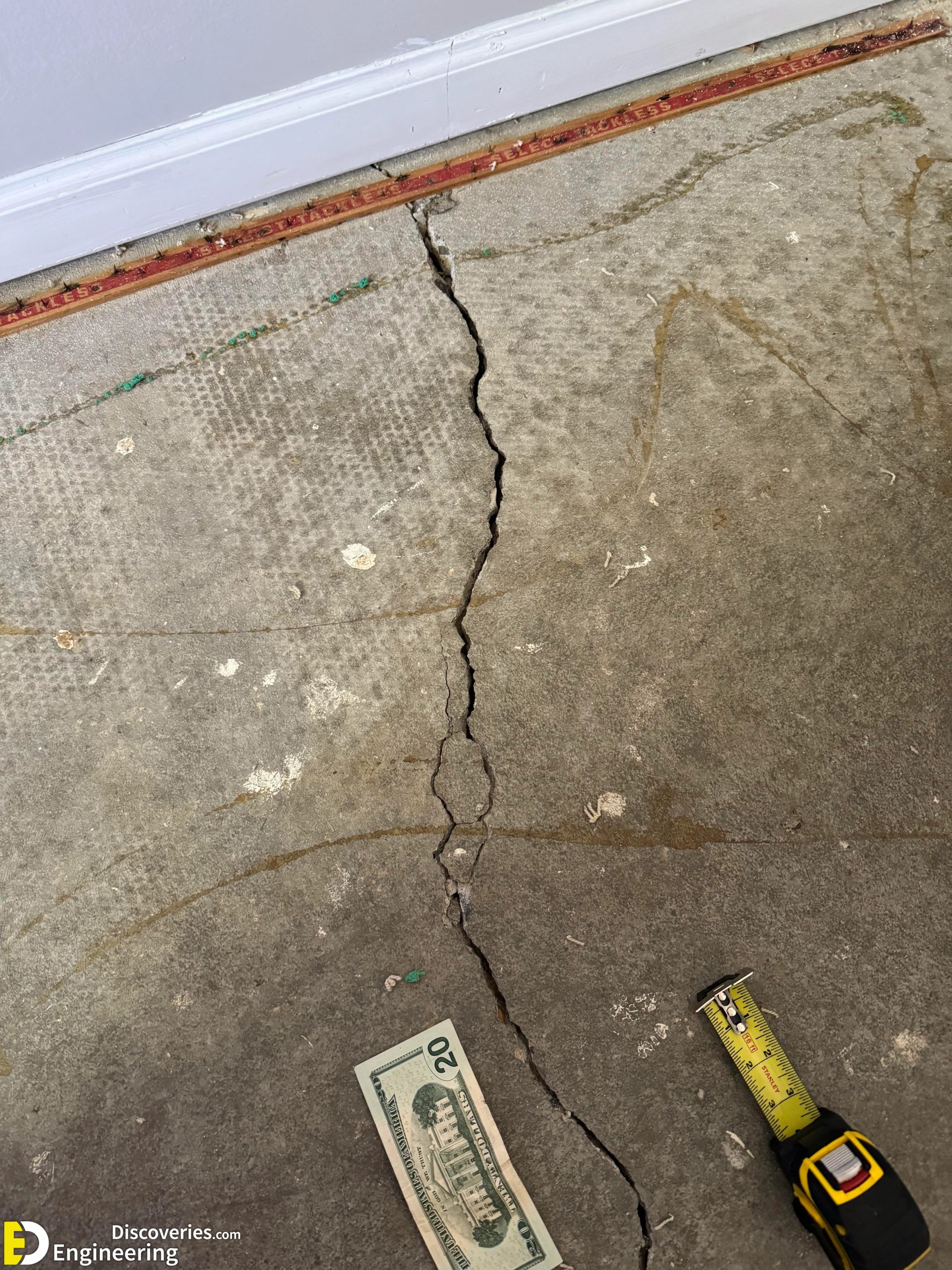
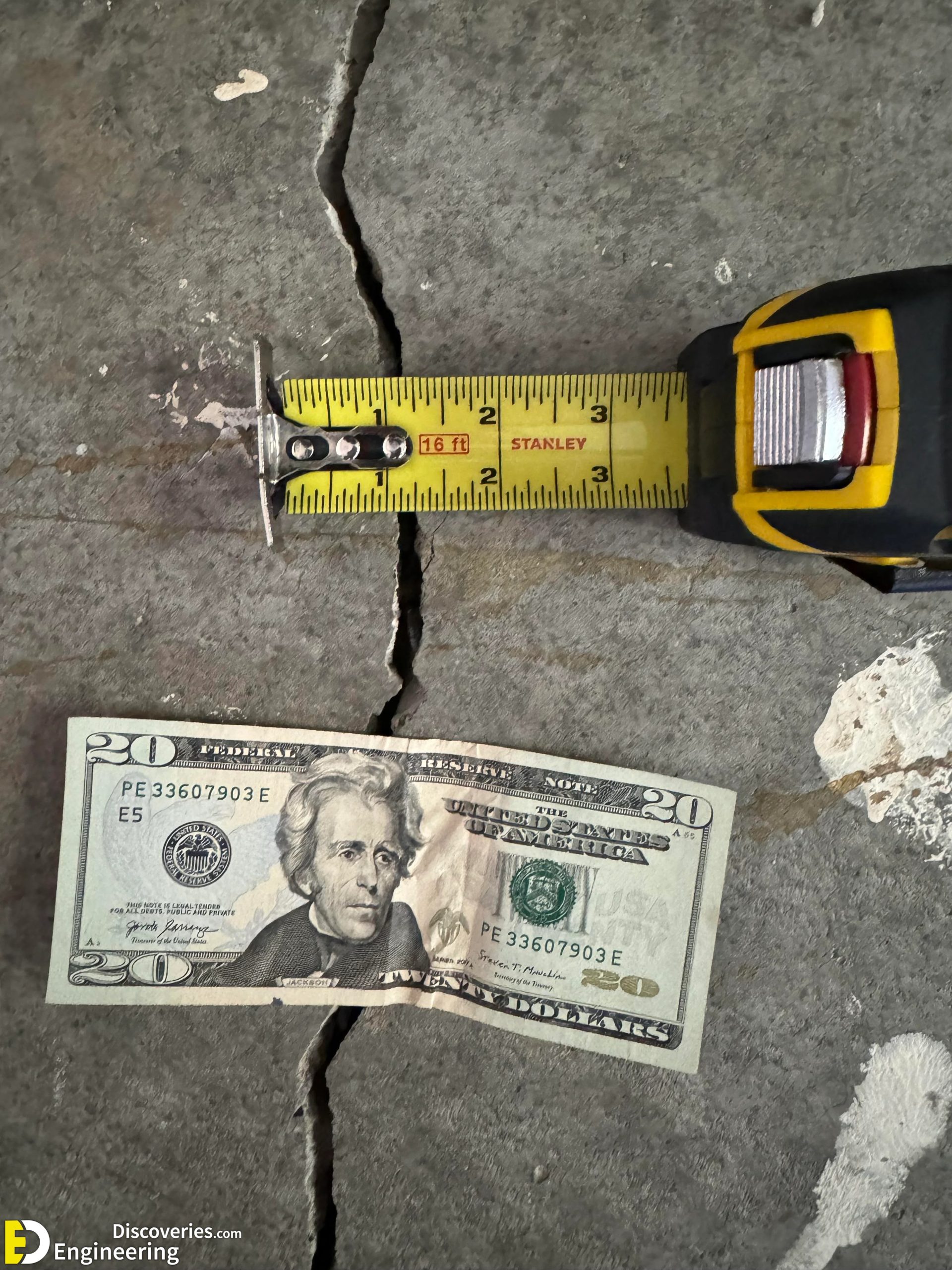
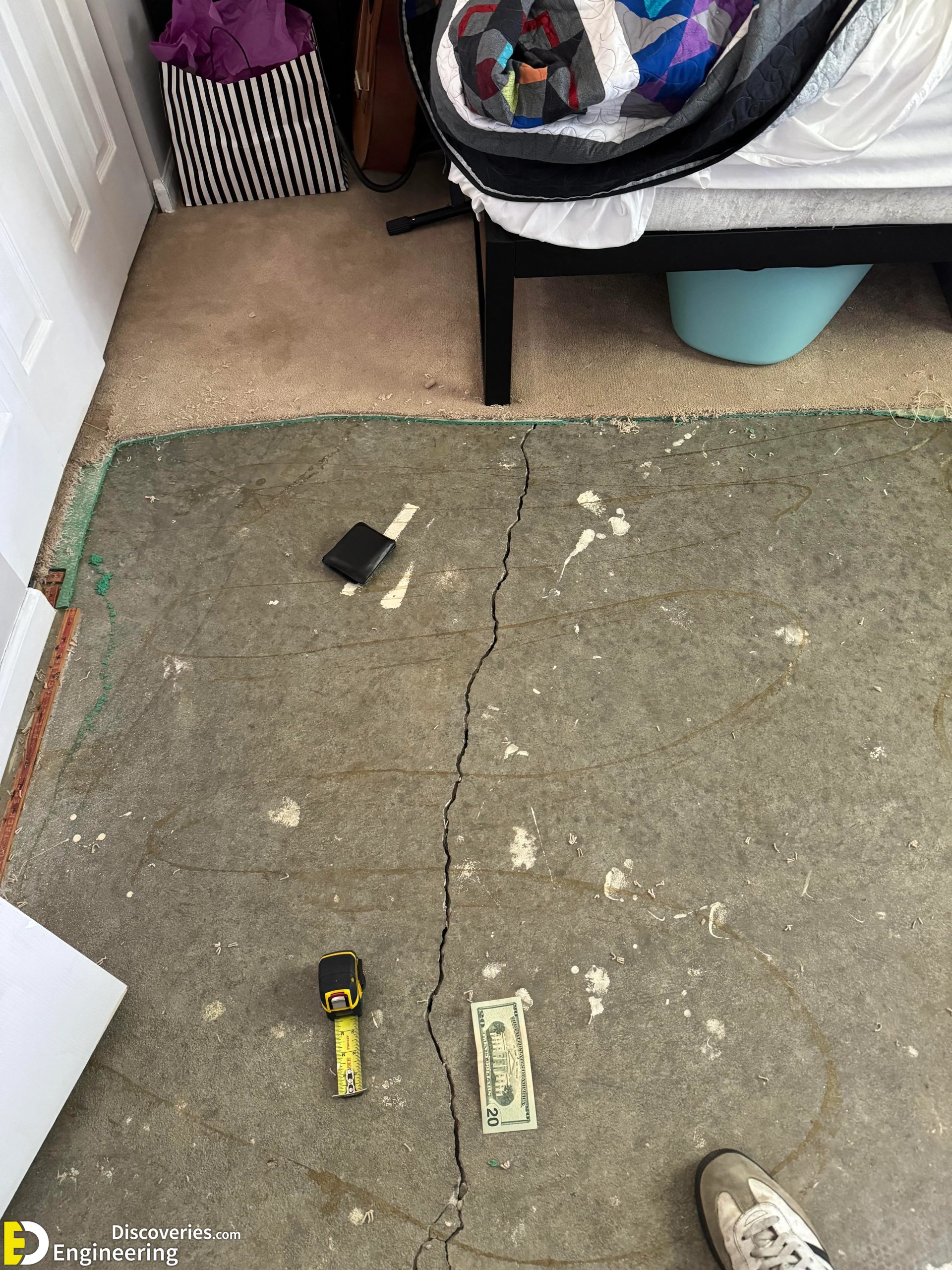
Concrete is a widely used construction material due to its durability, strength, and versatility. However, cracking in concrete is a frequent issue that can compromise the aesthetic appearance and structural integrity of a structure. Understanding the common causes of cracking in concrete is essential for preventing damage and ensuring long-term performance. This article explores the primary causes of concrete cracking and provides comprehensive insights into the various factors that contribute to this phenomenon.
1. Plastic Shrinkage Cracks
Plastic shrinkage cracks occur in fresh concrete before it has set. These cracks are typically caused by the rapid evaporation of water from the concrete surface due to high temperatures, low humidity, or wind. The concrete shrinks as the surface water evaporates, creating tensile stresses that lead to cracking.
Prevention Tips:
2. Drying Shrinkage Cracks
Drying shrinkage cracks develop as concrete loses moisture over time. As water evaporates from hardened concrete, the material contracts, resulting in tensile stresses that cause cracking. This type of cracking is more common in large concrete slabs and thin sections.
Prevention Tips:
3. Thermal Cracks
Thermal cracks occur due to temperature variations within the concrete. When concrete is exposed to high temperatures, it expands and contracts when it cools. This continuous expansion and contraction cause internal stresses that result in cracking.
Prevention Tips:
4. Structural Cracks
Structural cracks develop due to excessive loads, poor design, or inadequate reinforcement. These cracks are often wider and can significantly affect the structural integrity of the concrete element.
Prevention Tips:
5. Chemical Reactions
Chemical reactions, such as alkali-silica reaction (ASR), can cause cracking in concrete. ASR occurs when the alkalis in cement react with reactive silica in aggregates, forming a gel that expands and causes cracking.
Prevention Tips:
6. Corrosion of Reinforcement
When steel reinforcement embedded in concrete corrodes, it expands and creates internal pressure, resulting in cracks. Corrosion is typically caused by the penetration of moisture and chloride ions.
Prevention Tips:
7. Poor Workmanship
Improper construction practices can also lead to cracking. Common workmanship issues include insufficient curing, improper mixing, and inadequate compaction.
Prevention Tips:
8. Overloading
Concrete can crack if subjected to loads beyond its design capacity. This type of cracking is often seen in floors, beams, and slabs.
Prevention Tips:
9. Foundation Movement
Soil settlement or expansion beneath the concrete structure can lead to cracking. Foundation movement is commonly caused by poor soil compaction, water infiltration, or seismic activity.
Prevention Tips:
10. Freeze-Thaw Cycles
In cold climates, water can infiltrate concrete and freeze, causing expansion and cracking. Repeated freeze-thaw cycles exacerbate the damage over time.
Prevention Tips:
Conclusion
Cracking in concrete is a multifaceted issue influenced by environmental, structural, and material-related factors. By understanding the common causes and implementing preventative measures, construction professionals can enhance the durability and longevity of concrete structures. Regular inspections, proper design, and high-quality materials are key to minimizing the risk of concrete cracking.
Click Here To See Epoxy Injection For Concrete Crack Repair
Loading related articles...
Loading recent articles...
Loading featured articles...
