
Foundations are critical to any structure, providing stability and transferring loads to the ground. The choice of foundation depends on factors like soil type, load requirements, and construction design. Below is an in-depth overview of the most common foundation types.
Shallow Foundations: Key Types and Applications
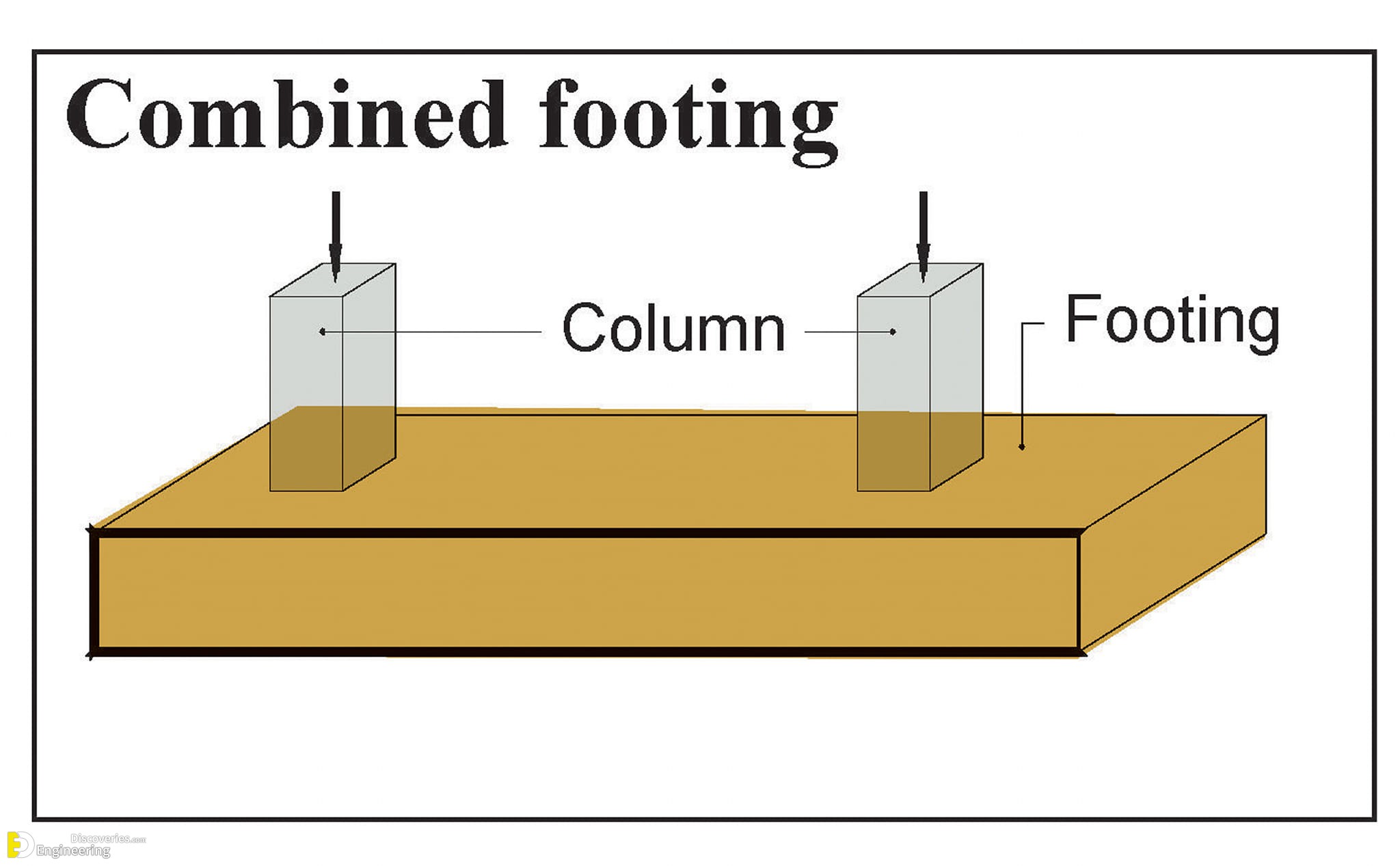
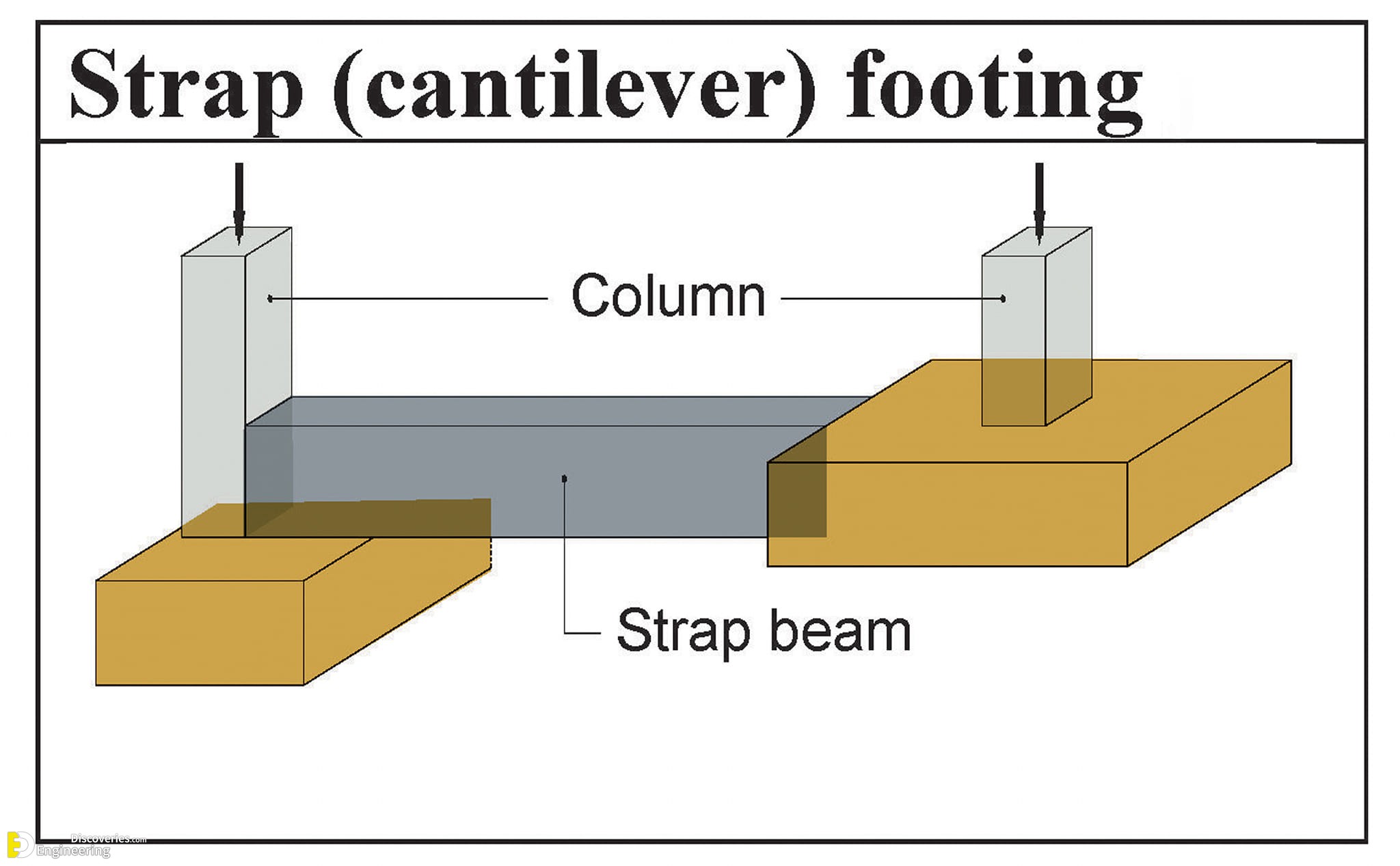
Shallow foundations are used where soil layers close to the surface can support structural loads. They are economical and easier to construct. Here are the key types:
Spread Footings
Spread footings are the most common type of shallow foundation, distributing the structure’s load over a broad area.
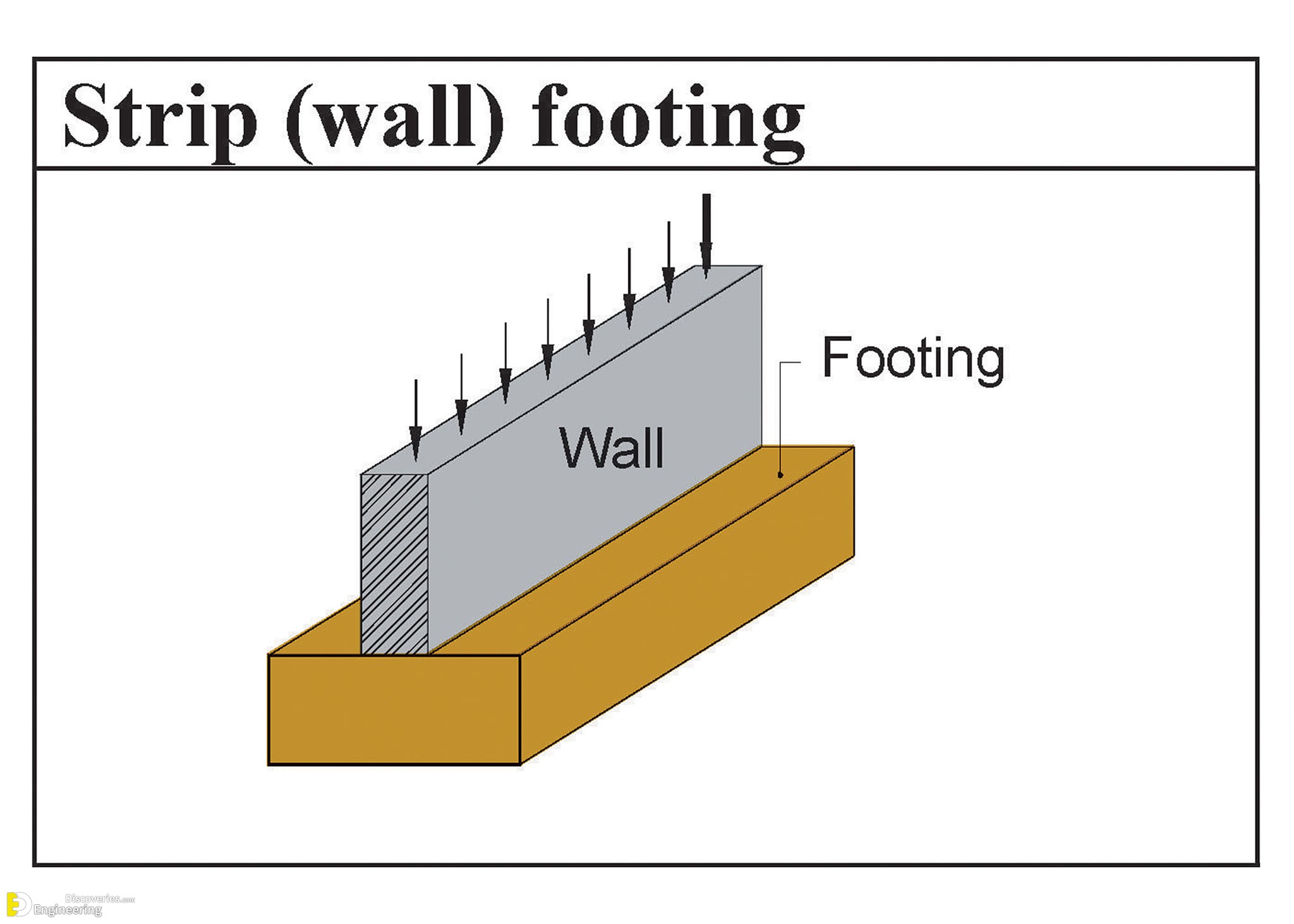
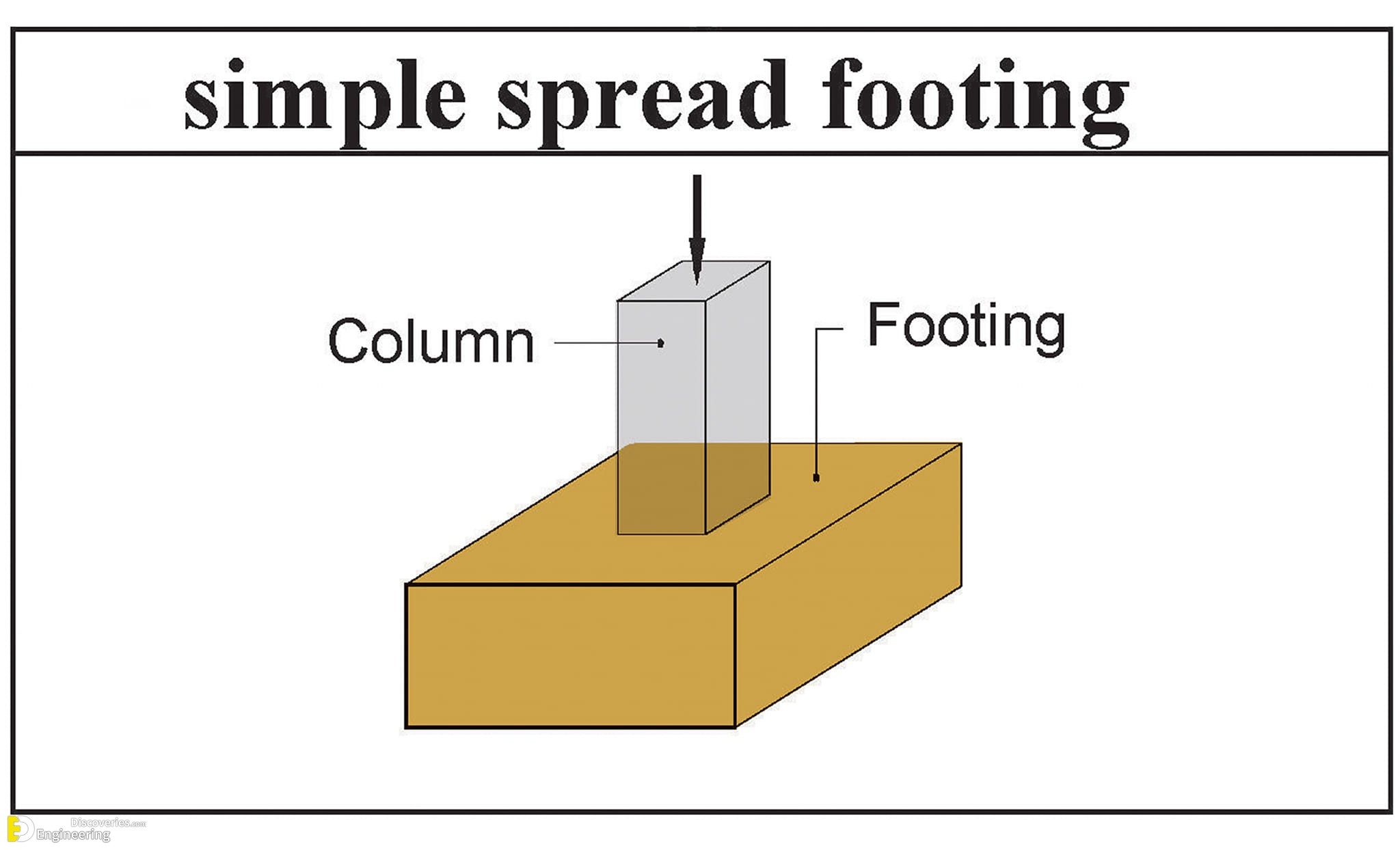
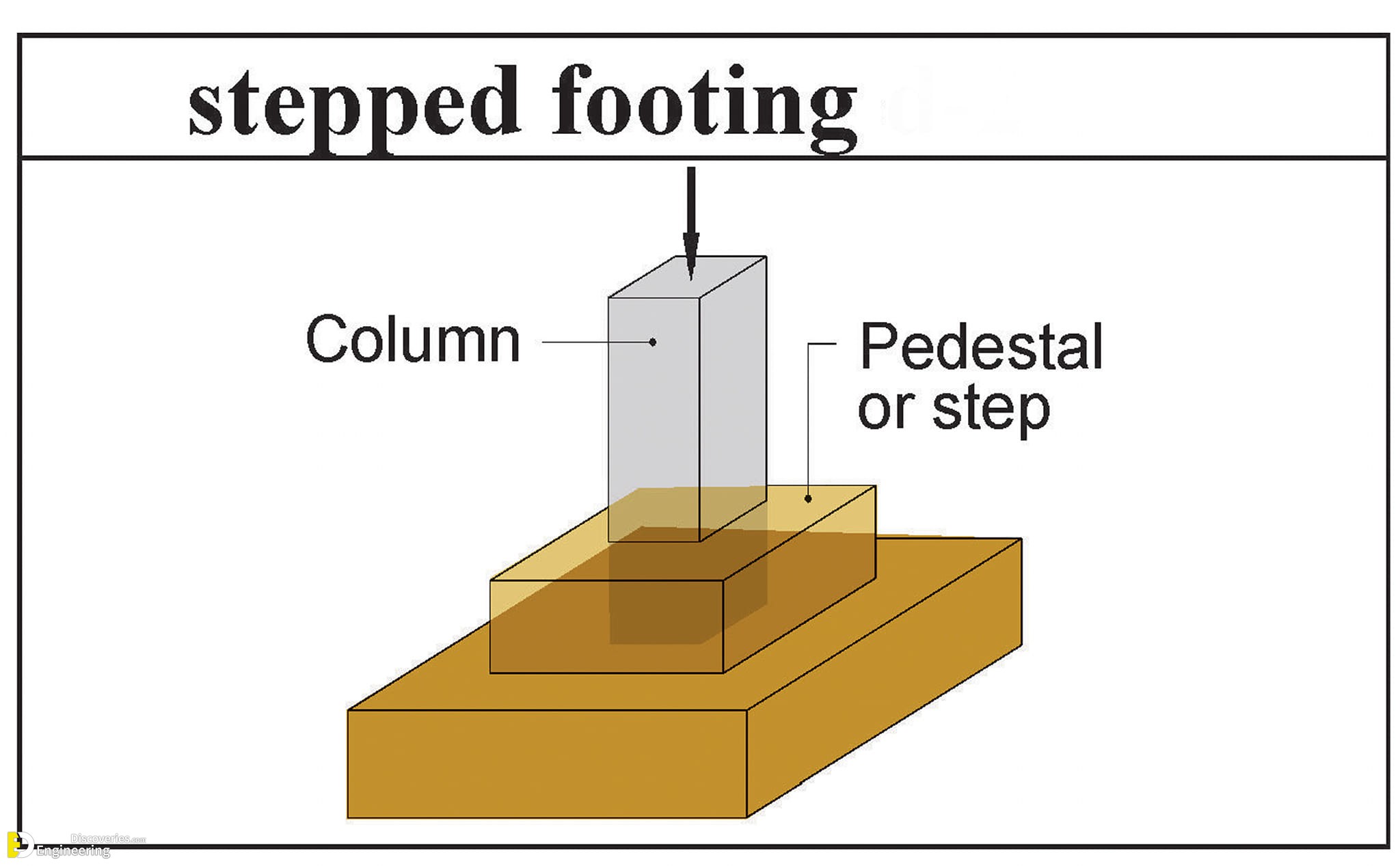
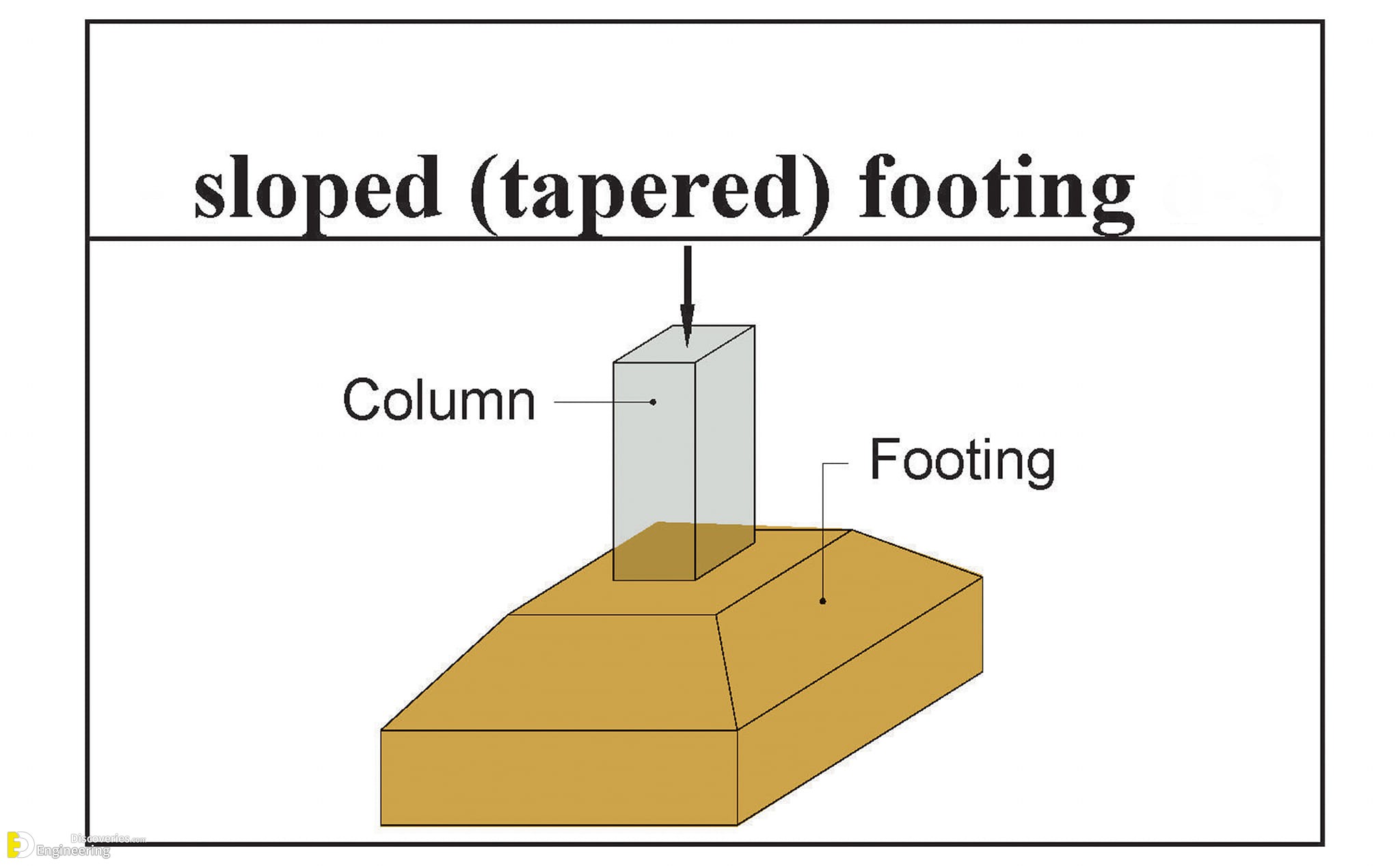
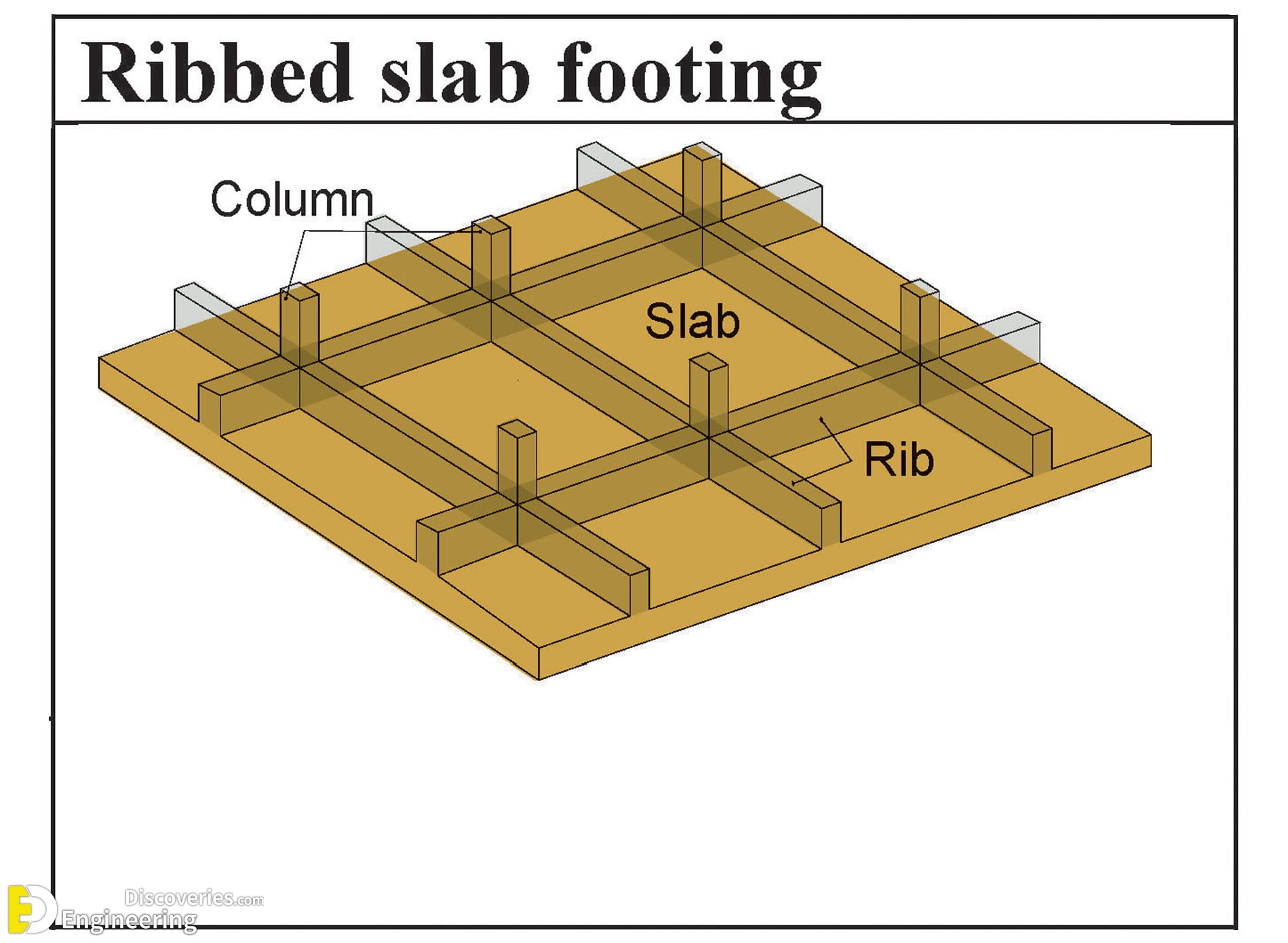
Mat (Raft) Foundations
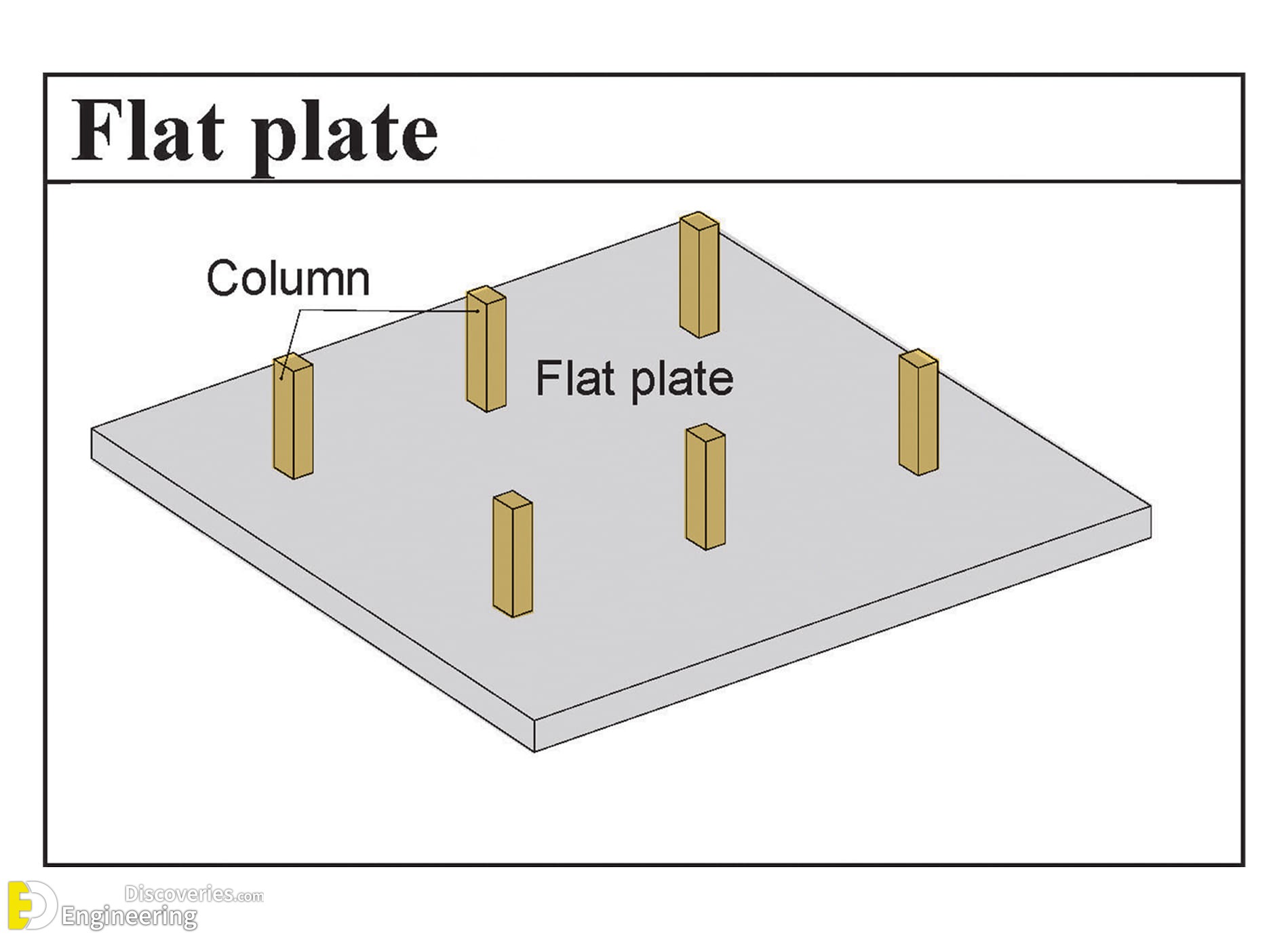
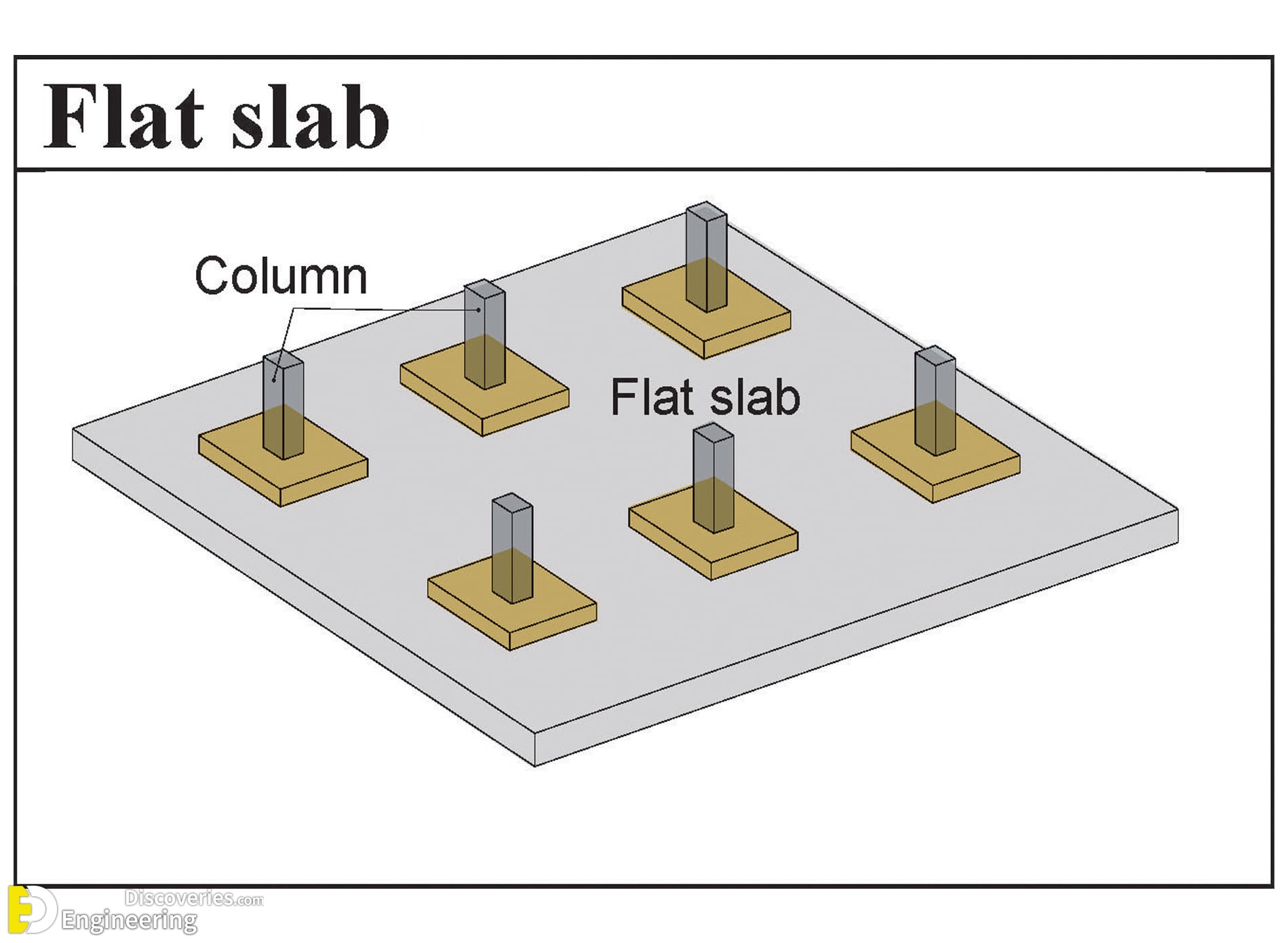
Mat foundations are flat slabs of concrete that support the entire structure. They are ideal for weak soil conditions.
Deep Foundations: Ensuring Stability in Challenging Conditions
Deep foundations transfer loads to deeper, more stable soil layers. They are crucial for heavy structures or weak surface soils.
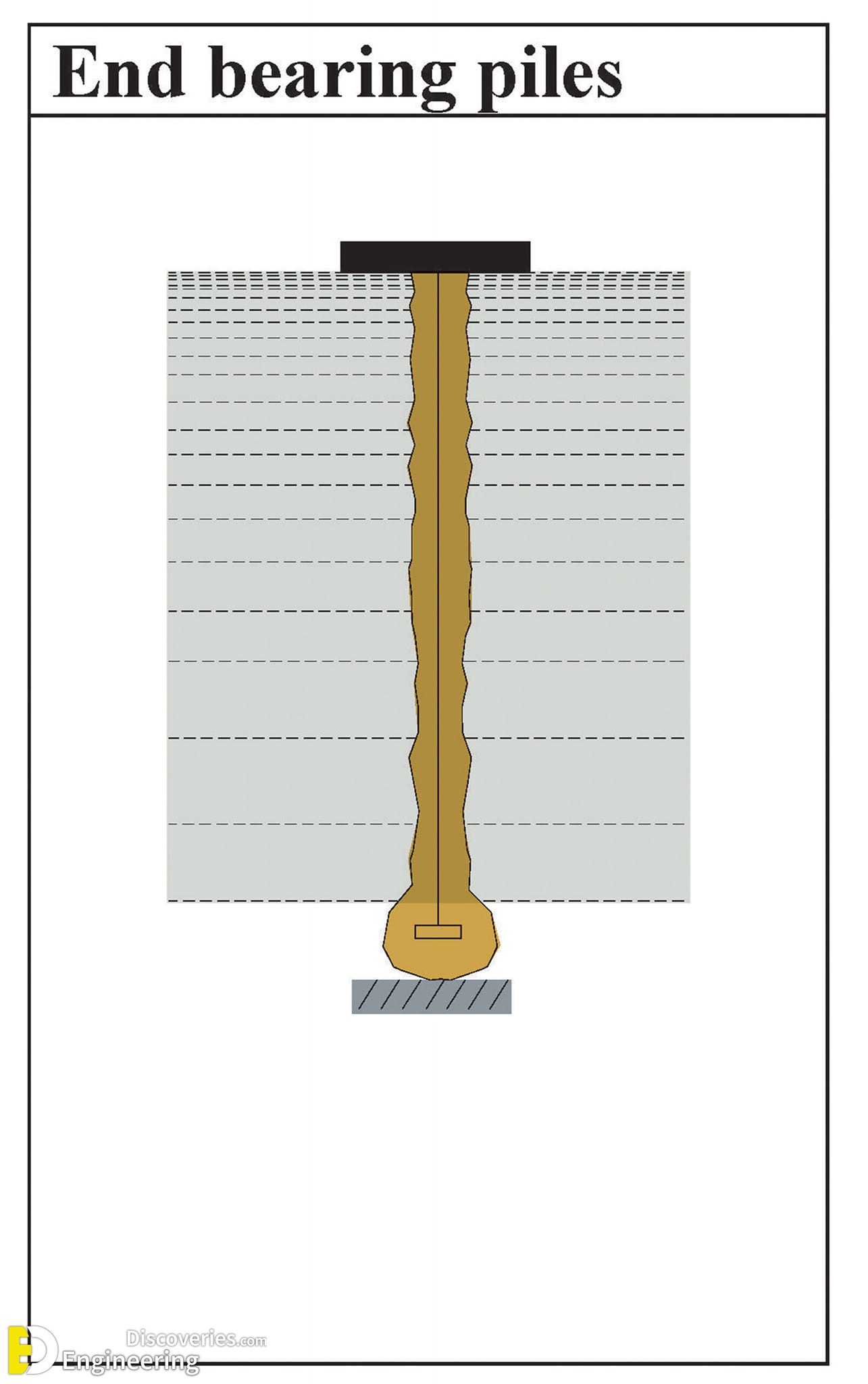
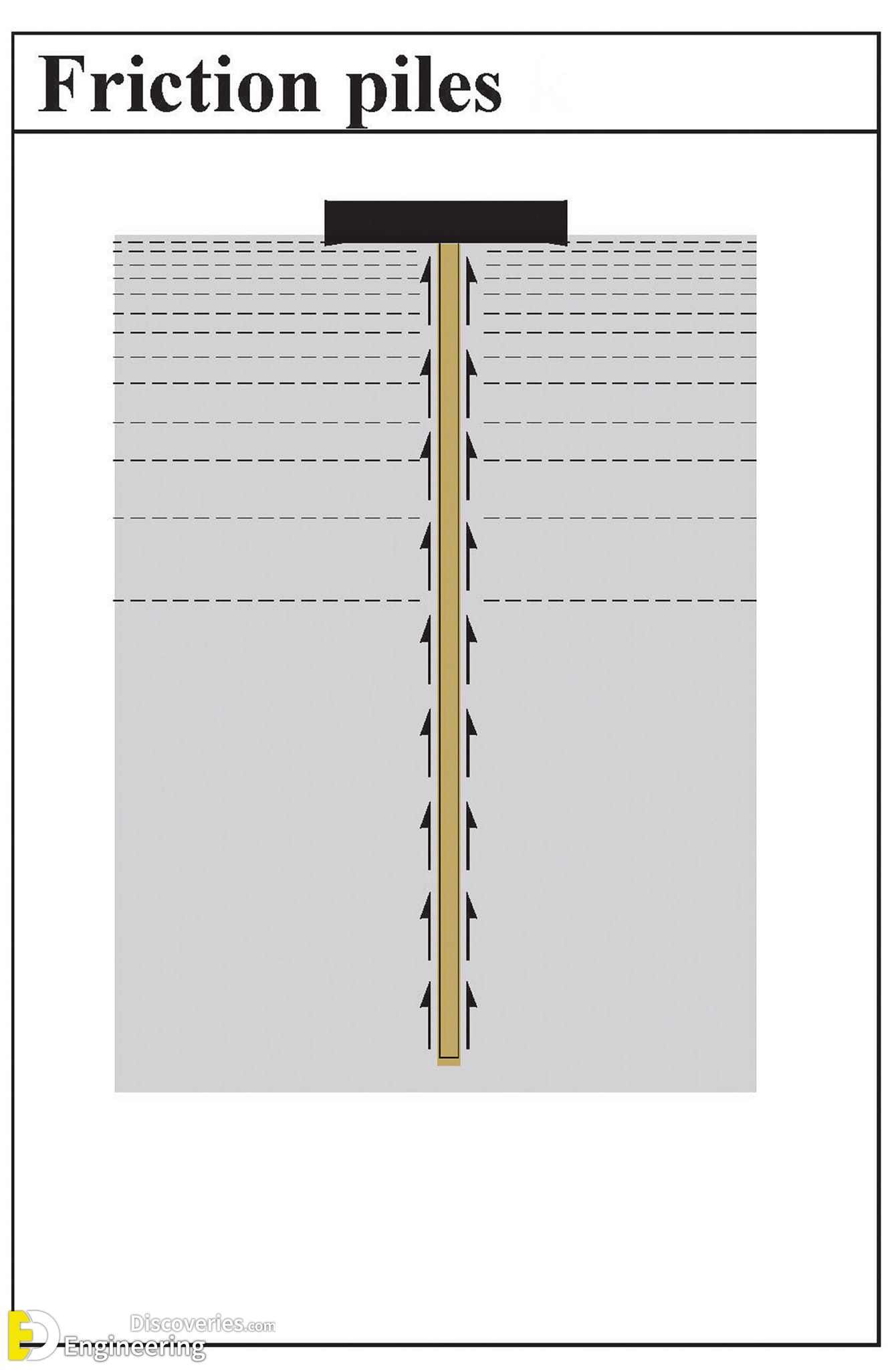
Piles Foundations
Piles are long, slender columns driven deep into the ground.
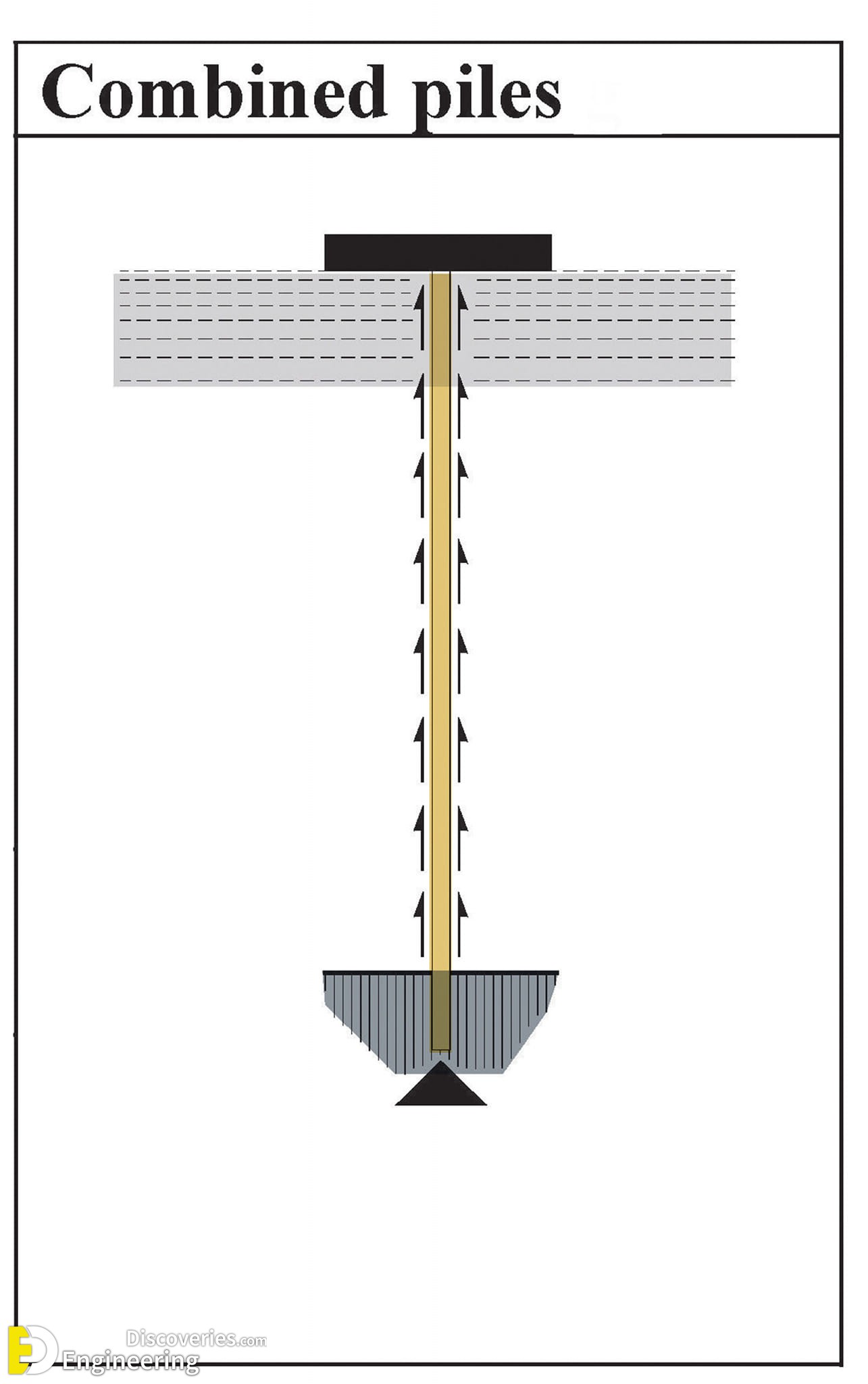
Combined Piles
This foundation uses a combination of multiple piles connected by a pile cap, providing greater load-bearing capacity.
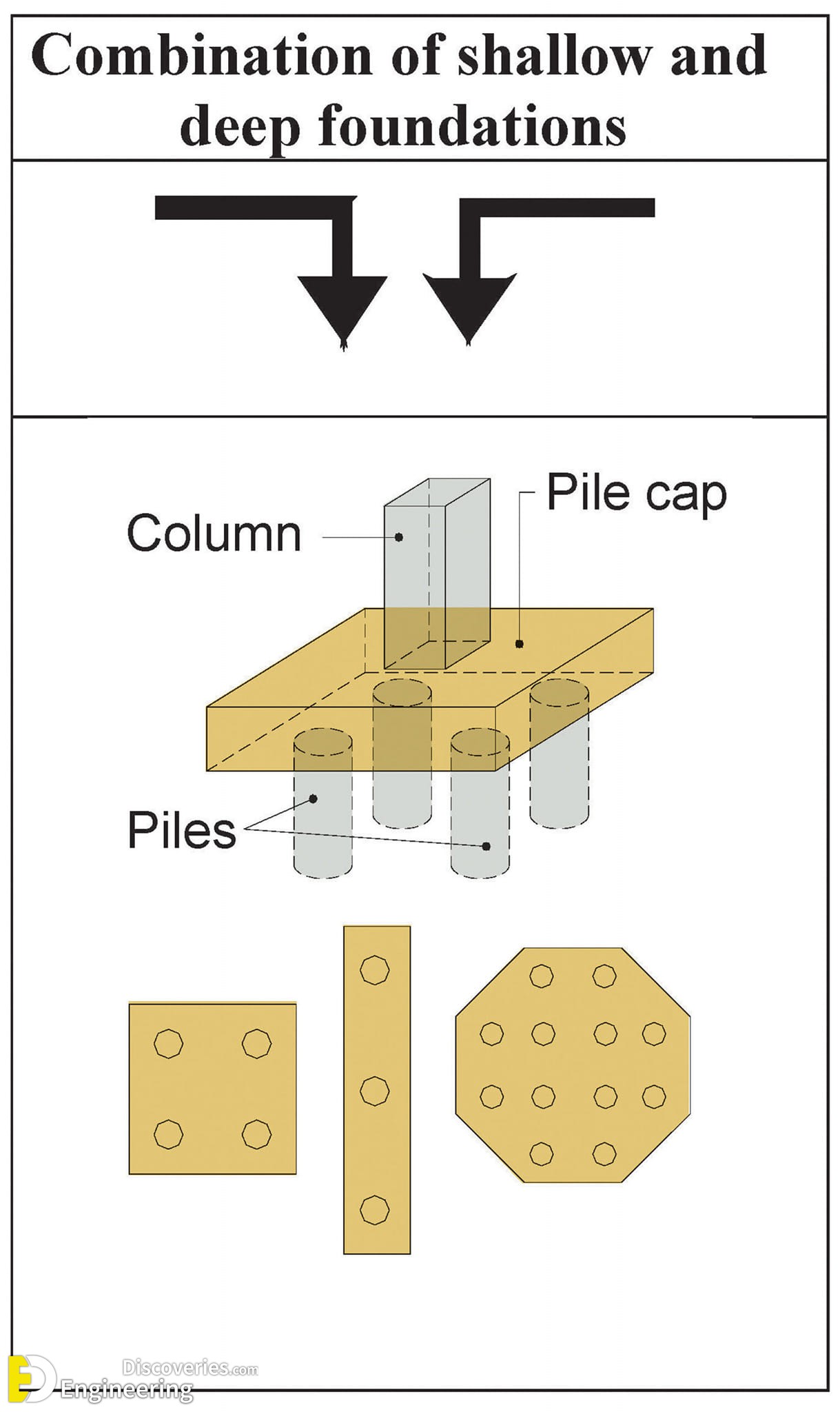
Hybrid Systems: Shallow and Deep Foundations
Some structures require a combination of shallow and deep foundations. These systems integrate the benefits of both types to ensure stability and cost efficiency.
Choosing the Right Foundation Type
The selection of a foundation type depends on:
Click Here To See Understanding Structural Loads In Construction
Loading related articles...
Loading recent articles...
Loading featured articles...
