
Water management is essential for various purposes, such as irrigation, power generation, and flood control. Two critical structures in water management are dams and weirs. While both serve to control water flow, they are distinct in their design, purpose, and impact. Understanding the difference between a dam and a weir is crucial for engineers, environmentalists, and policymakers. Let’s dive into the specifics of these two structures.
What is a Dam?
Definition and Purpose of a Dam
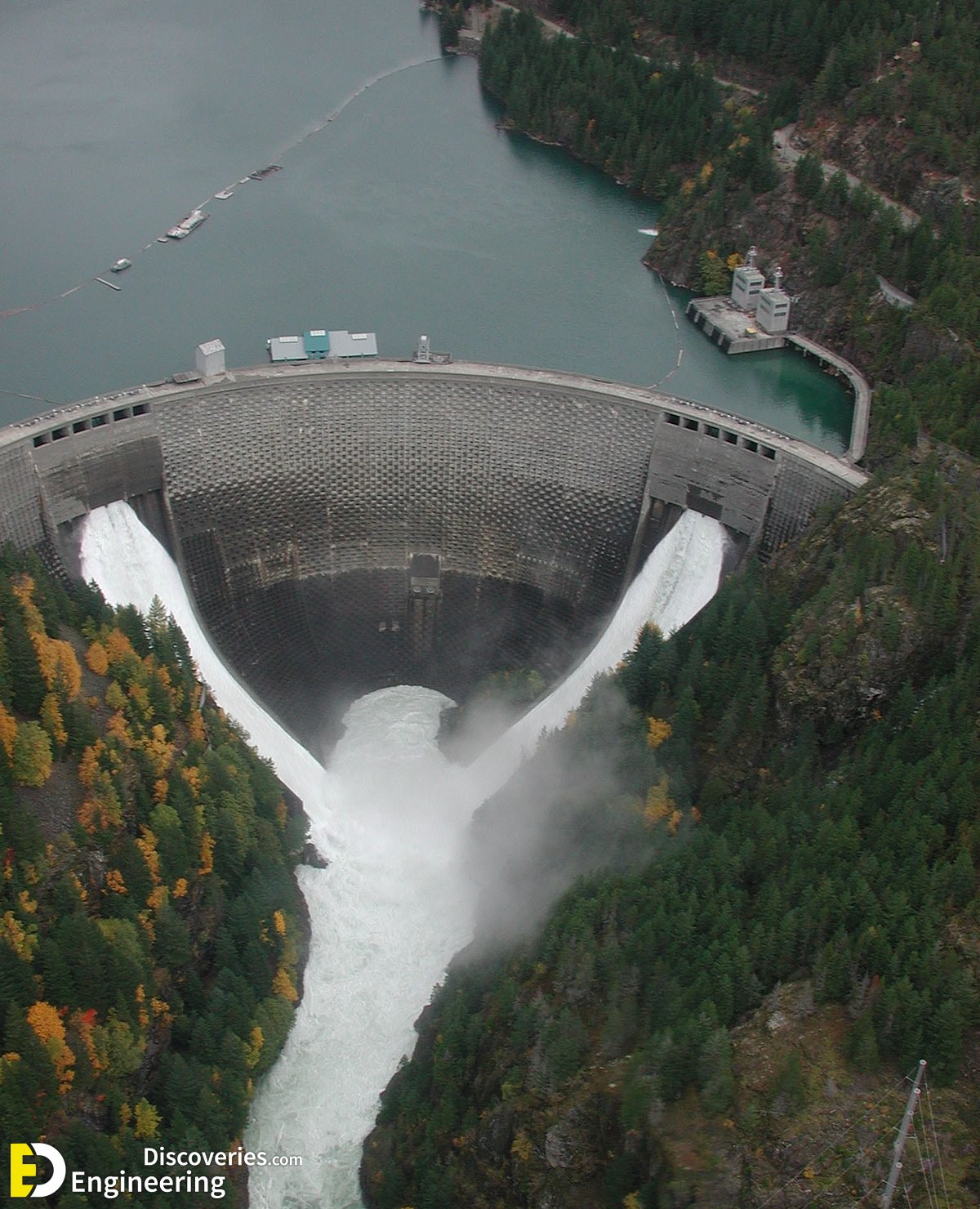
A dam is a large barrier constructed across a river or waterway to control the flow of water and create a reservoir. Dams are primarily built for water storage, hydroelectric power generation, and flood control. They can significantly alter the landscape by creating large bodies of water where none existed.
How Dams Work
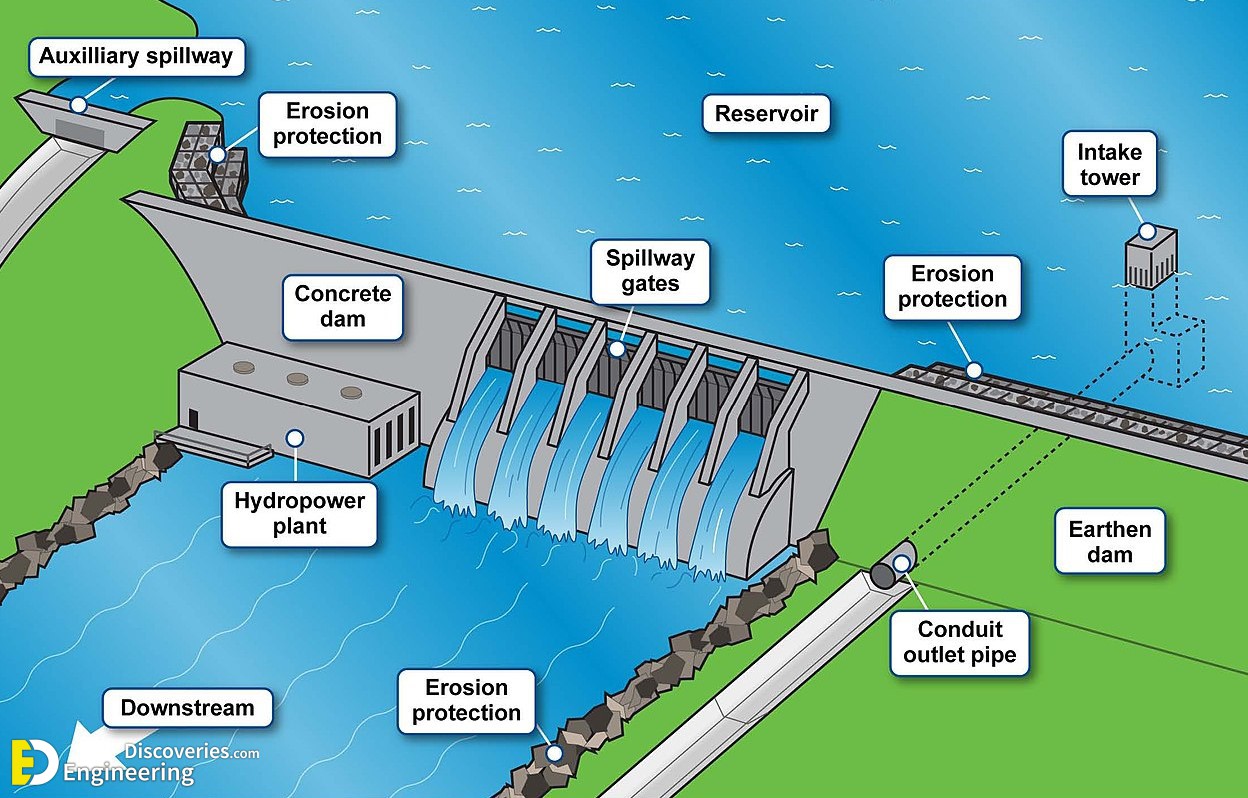
Dams work by blocking the natural flow of a river, causing water to accumulate behind the barrier. This accumulation forms a reservoir, which can be used for various purposes, such as supplying water during dry periods, generating electricity, and providing recreational opportunities.
Common Types of Dams
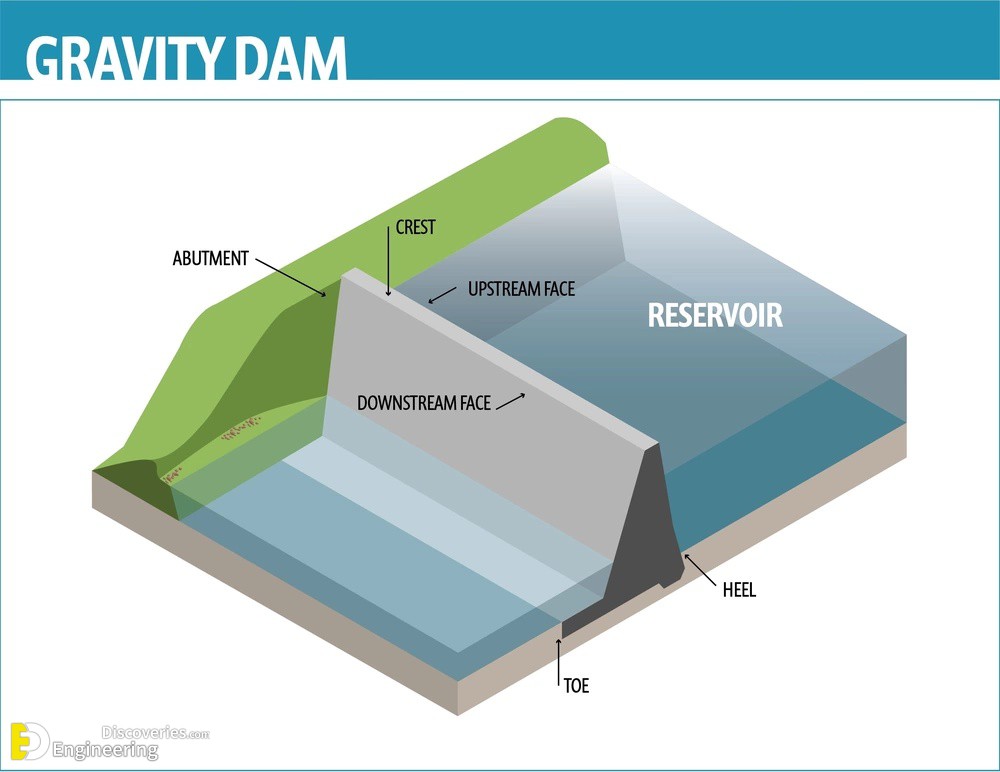
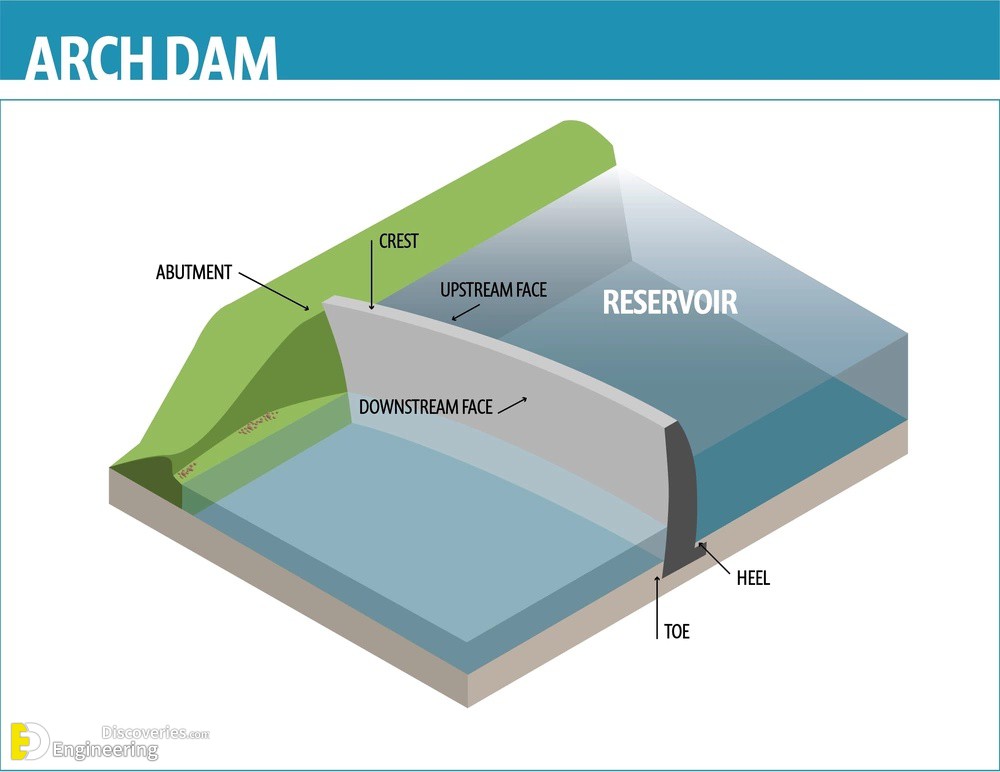
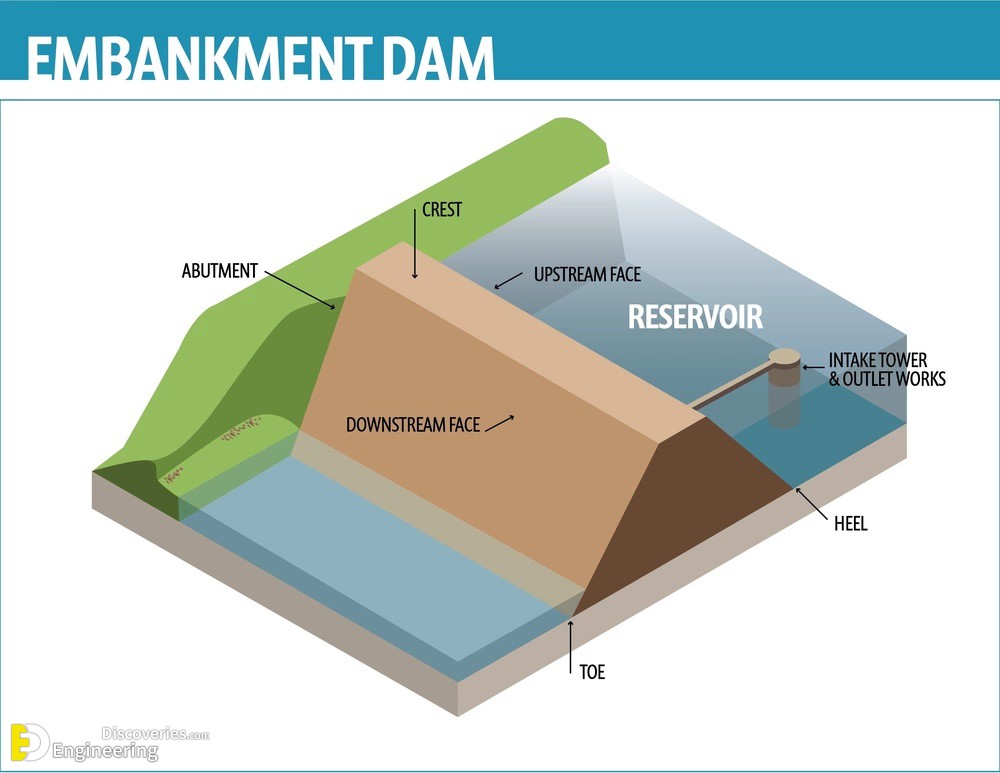
There are several types of dams, each designed for specific conditions:
Examples of Famous Dams
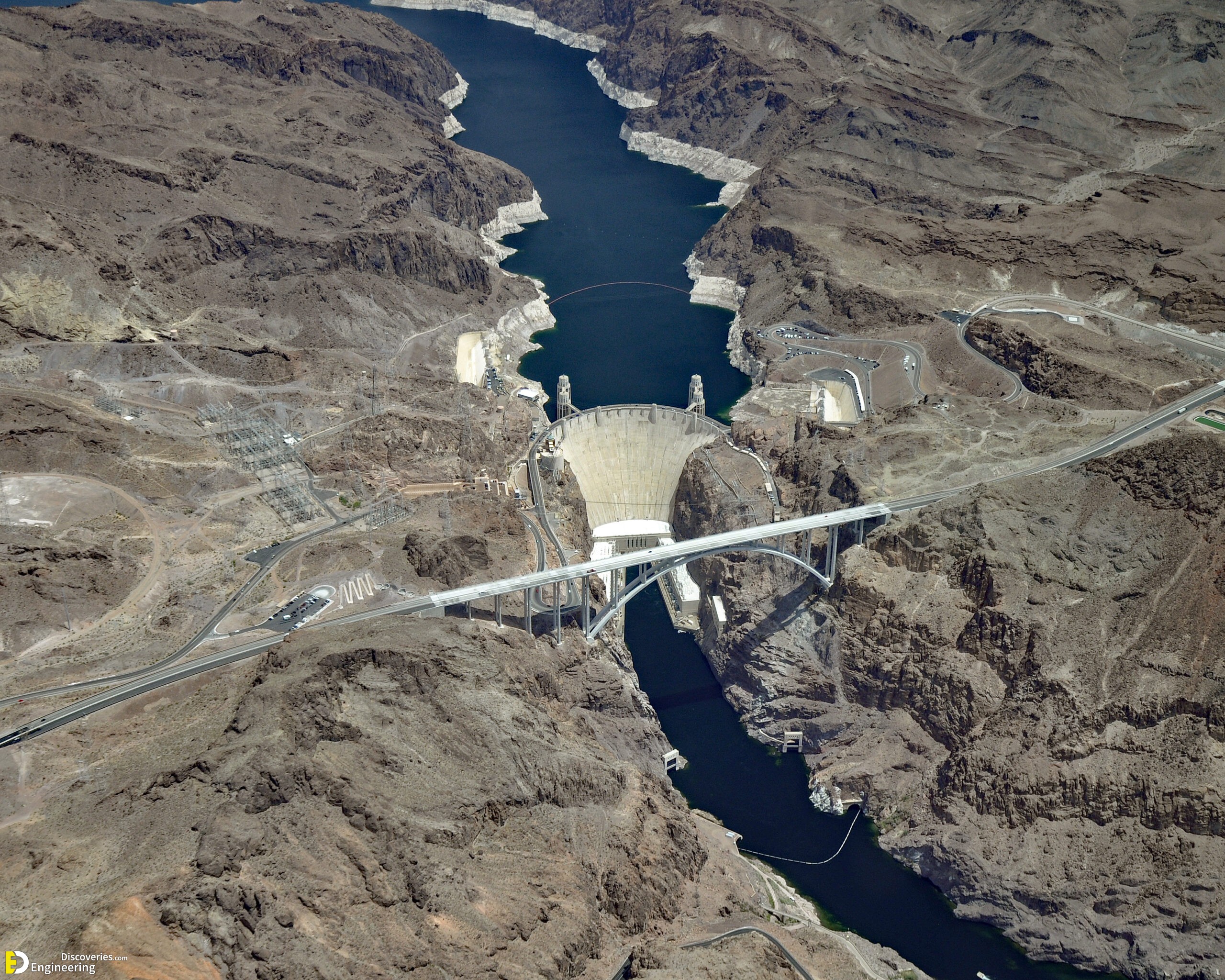
Hoover Dam
One of the most iconic dams in the world, Hoover Dam is located on the border between Nevada and Arizona. It provides hydroelectric power, water storage, and flood control for the surrounding areas.
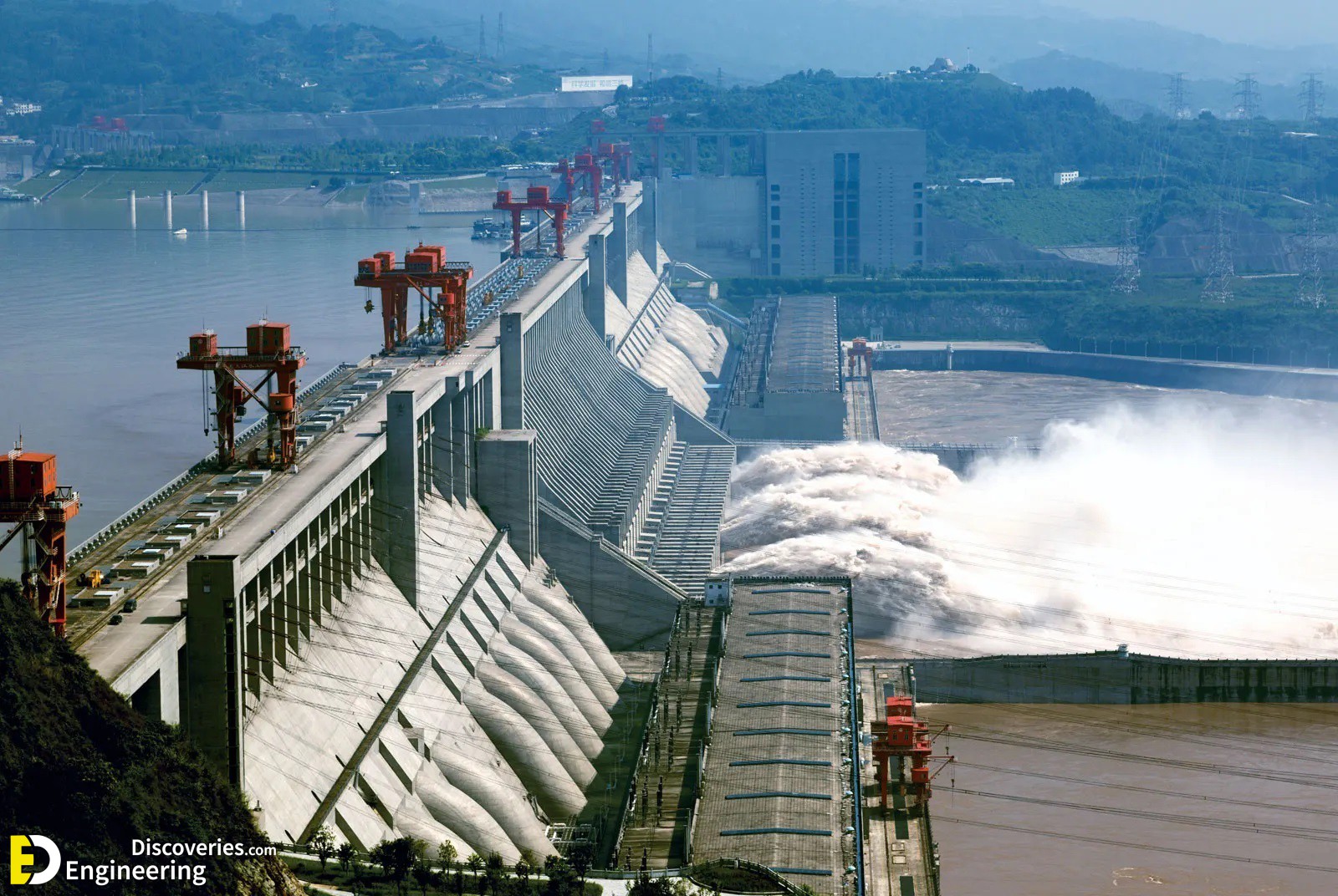
Three Gorges Dam
Located in China, the Three Gorges Dam is the largest hydroelectric power station in the world. It significantly impacts the Yangtze River, both in terms of power generation and environmental consequences.
What is a Weir?
Definition and Purpose of a Weir
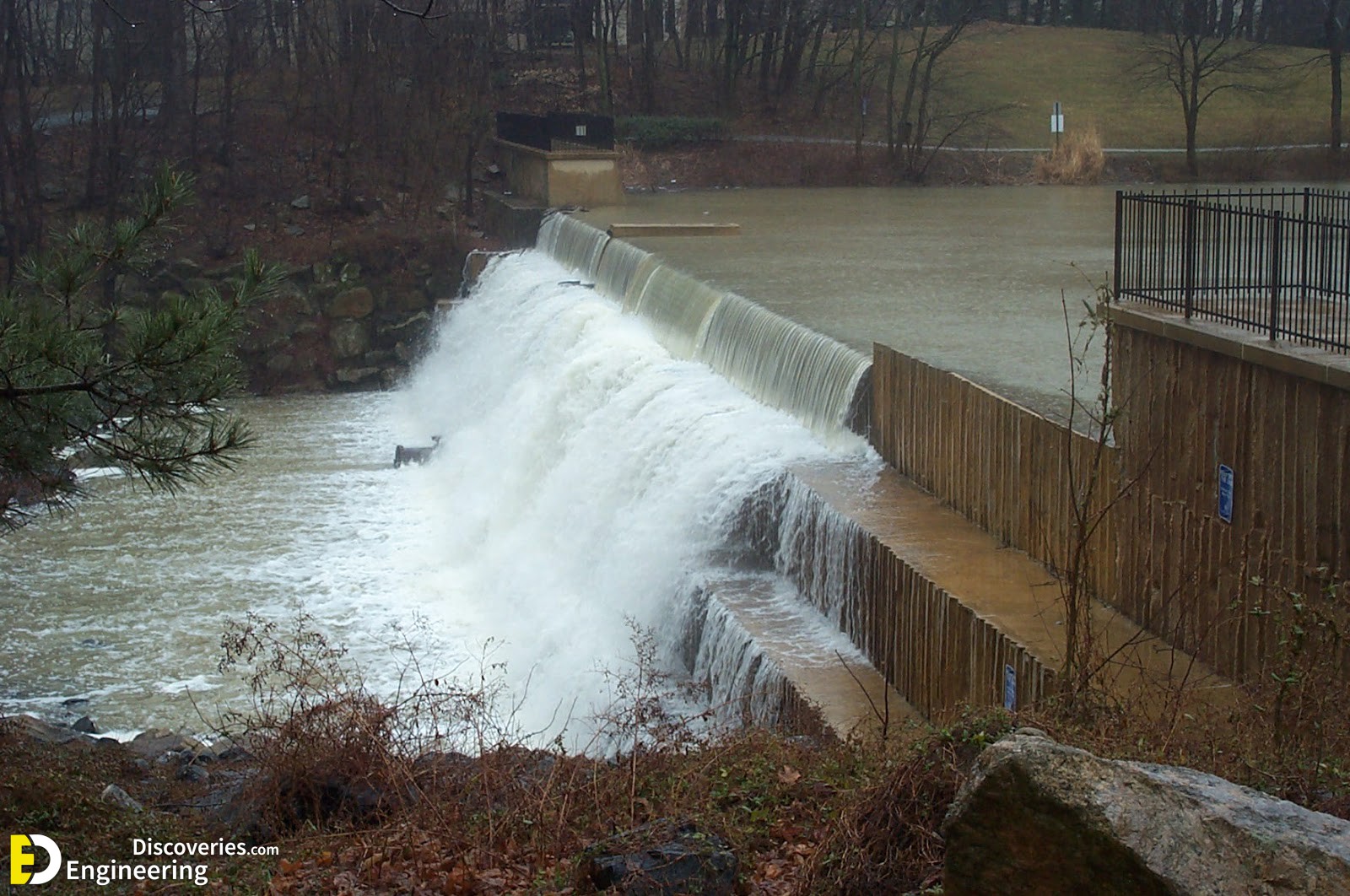
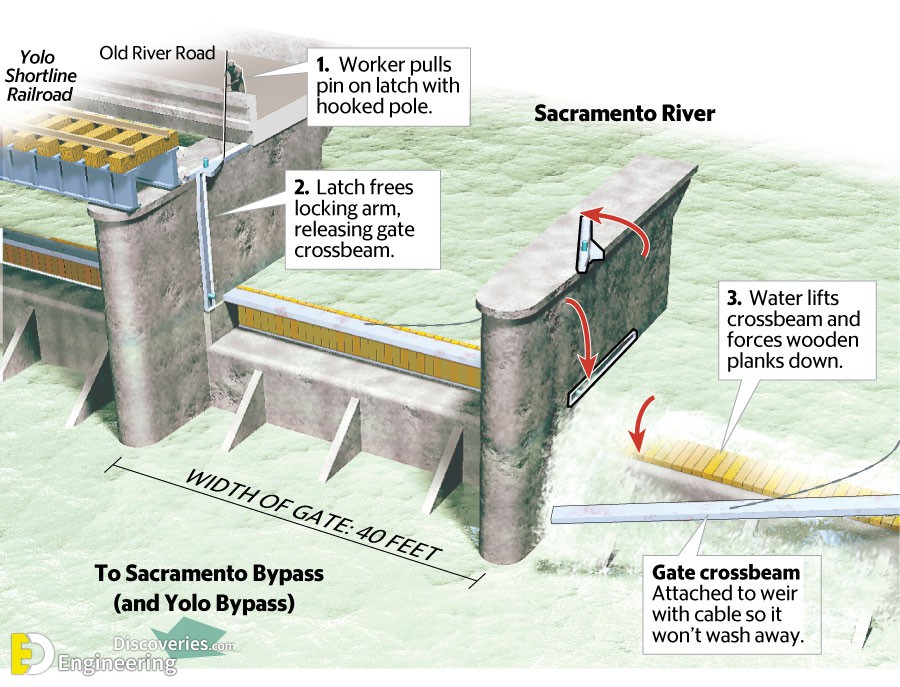
A weir is a small, barrier-like structure built across a river or stream to alter the flow characteristics of the water. Unlike dams, weirs are typically used for measuring discharge, controlling erosion, and assisting with fish migration. They are often simpler in design and smaller in scale.
How Weirs Work
Weirs work by creating a change in the water’s elevation, which can help control flow rates and stabilize riverbanks. The water flows over the top of the weir, which allows for the measurement of discharge and helps with managing water levels in a controlled manner.
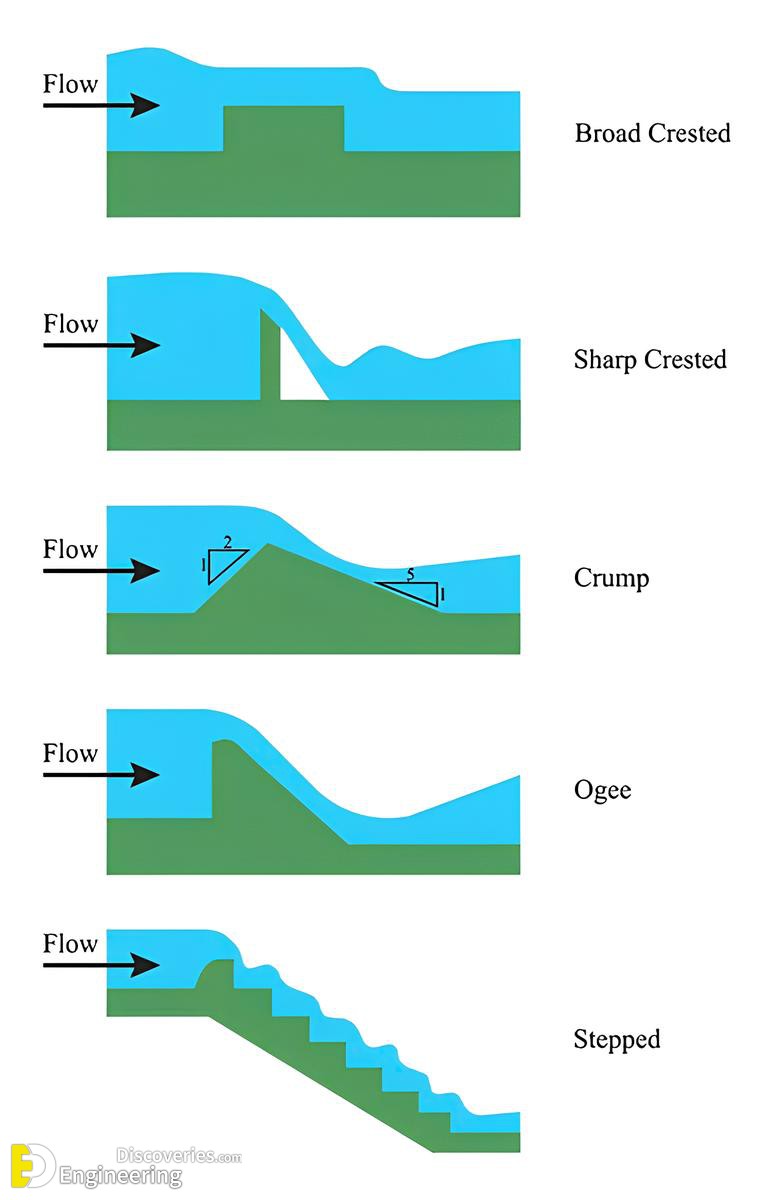
Types of Weirs
Examples of Well-Known Weirs
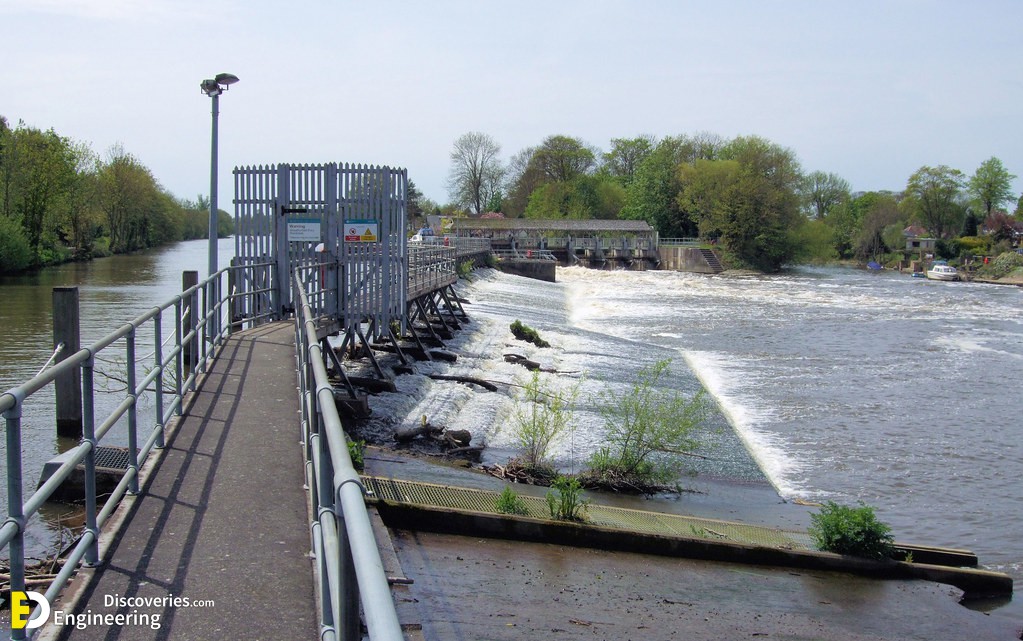
The Thames Weir
Located on the River Thames in London, the Thames Weir is crucial for controlling water levels and preventing flooding in the surrounding areas.
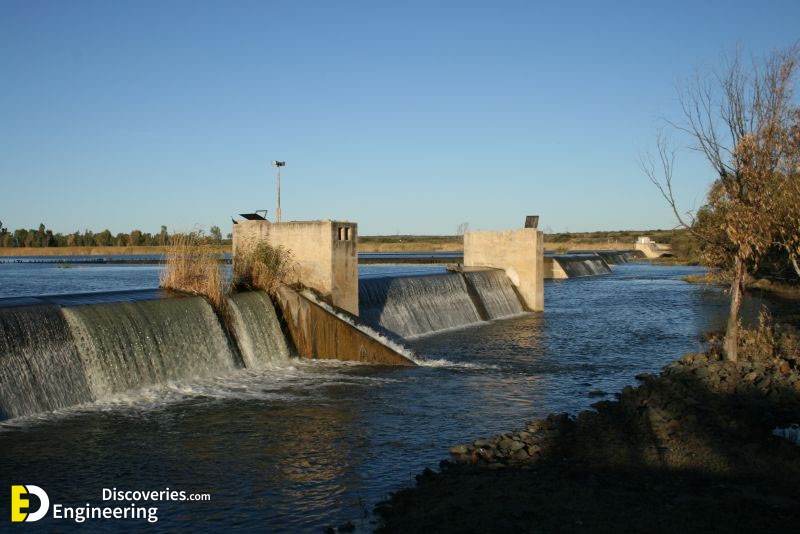
The Vaal River Weir
The Vaal River Weir in South Africa helps manage water flow and prevent erosion along the riverbanks, ensuring the stability of the river system.
Key Differences Between Dams and Weirs
Structural Differences
While both dams and weirs are built to control water, the scale and design of these structures vary significantly.
Size and Construction
Materials Used
Functional Differences
The primary purpose of a dam is water storage and management, while weirs are more focused on flow control and measurement.
Water Control Mechanism
Impact on Surrounding Environment
Advantages and Disadvantages of Dams
Benefits of Building Dams
Dams offer several advantages:
Drawbacks of Dams
Despite their benefits, dams have some significant downsides:
Advantages and Disadvantages of Weirs
Benefits of Weirs
Weirs also have their own set of advantages:
Drawbacks of Weirs
Weirs are not without their challenges:
When to Choose a Dam vs. a Weir
Situational Factors
When deciding between a dam and a weir, several factors come into play.
Terrain Considerations
Project Goals
Click Here To See The Ultimate Guide To Dams Understanding The Different Types And Their Vital Uses
Loading related articles...
Loading recent articles...
Loading featured articles...
