
Concrete is one of the most widely used materials in construction, valued for its strength and durability. However, its capacity to resist tensile forces is limited. This is where steel reinforcement comes into play, significantly enhancing the performance of concrete structures.
The Role of Steel in Reinforced Concrete
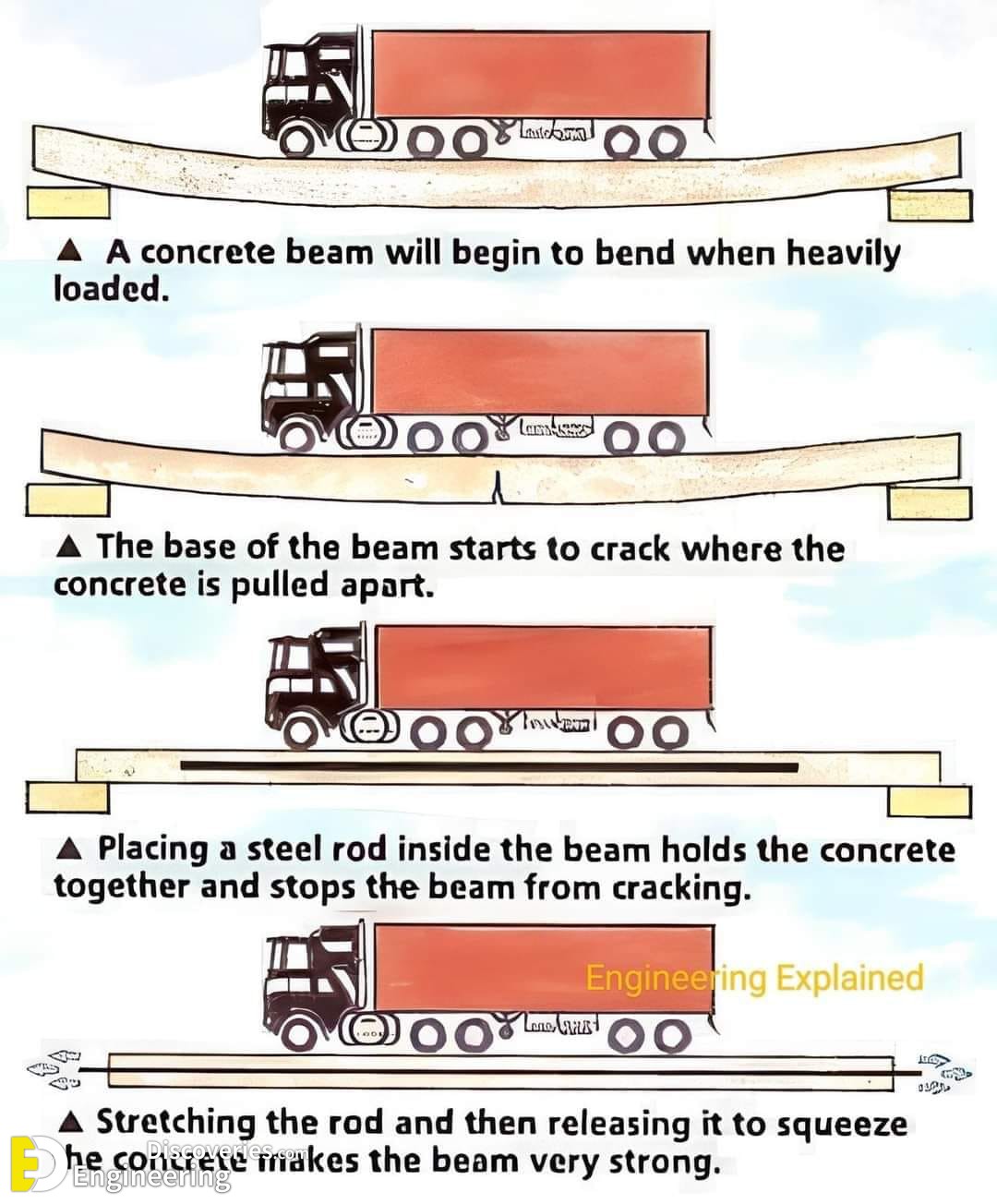
Steel reinforcement, also known as rebar, is used to support the structural integrity of concrete. While concrete is strong in compression, it is weak in tension. Steel compensates for this by absorbing tensile stresses. This combination allows reinforced concrete to withstand both compressive and tensile forces, making it ideal for large structures like bridges, buildings, and dams.
Key Benefits of Using Steel Reinforcement
Types of Steel Reinforcement
How Steel Reinforcement Supports Structural Design
Steel reinforcement is typically embedded in concrete to form a network of bars or meshes. The placement of these bars is strategic, depending on the type of load the structure will bear. Vertical bars resist compressive loads, while horizontal ones handle tensile stresses.
This symbiotic relationship between steel and concrete allows buildings and infrastructure to withstand heavy loads and environmental stressors. It also reduces the amount of concrete needed, leading to more efficient designs.
Conclusion
Steel reinforcement is essential for modern construction. It strengthens concrete structures, improves durability, and increases flexibility. By using steel reinforcement, architects and engineers can design safer, longer-lasting, and more efficient structures that can endure both natural and man-made stressors.
Click Here To See Understanding Punching In Spread Footing: Causes And Prevention
Loading related articles...
Loading recent articles...
Loading featured articles...
