
Calculating the size of columns is essential in structural engineering. Accurate dimensions ensure the stability and durability of buildings. This guide explains how to find the dimensions of columns with a practical example.
Given Data
Factored Load Calculation
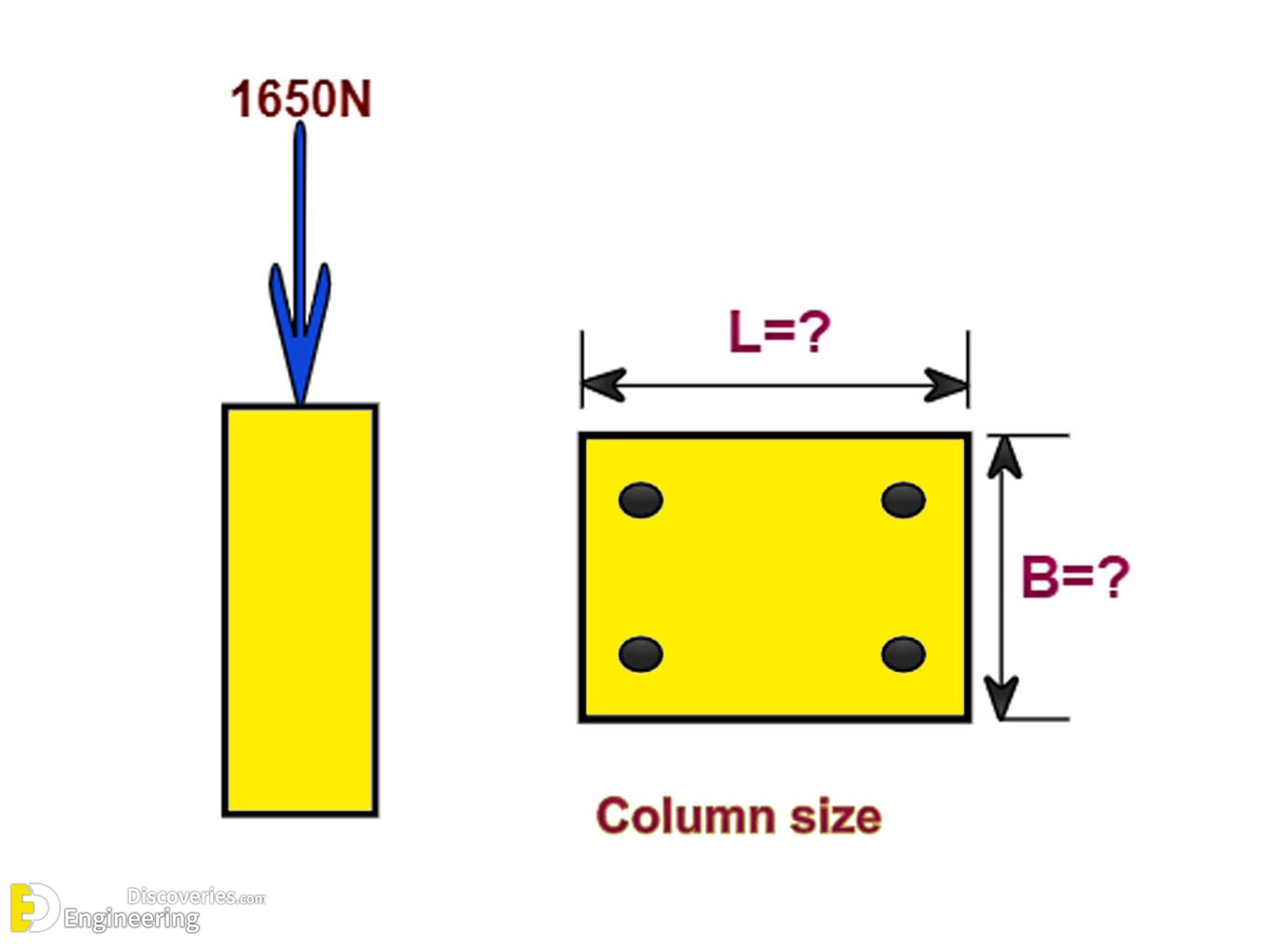
The factored load is calculated using the formula:
Pu = 1.5 x Total Load
Pu = 1.5 x 1650KN
Pu = 2475KN = 2475 x 10³N
Formula to Find Column Size
According to IS code:
Pu = [0.4 x fck x Ac + 0.67 x fy x Asc]
Where:
Steel Percentage
Let us provide 1.5% steel in the column.
Asc = 1.5% of Ac = 0.015Ac
Now substitute the values:
2475 x 10³N = [0.4 x 30 x Ac + 0.67 x 415 x 0.015Ac]
2475 x 10³N = [12Ac + 4.171Ac]
2475 x 10³N = 16.171Ac
Ac = 2475 x 10³N ÷ 16.171N/mm²
Ac = 153.05 x 10³ mm²
Ac = 1,53,051 mm²
Square Column Calculation
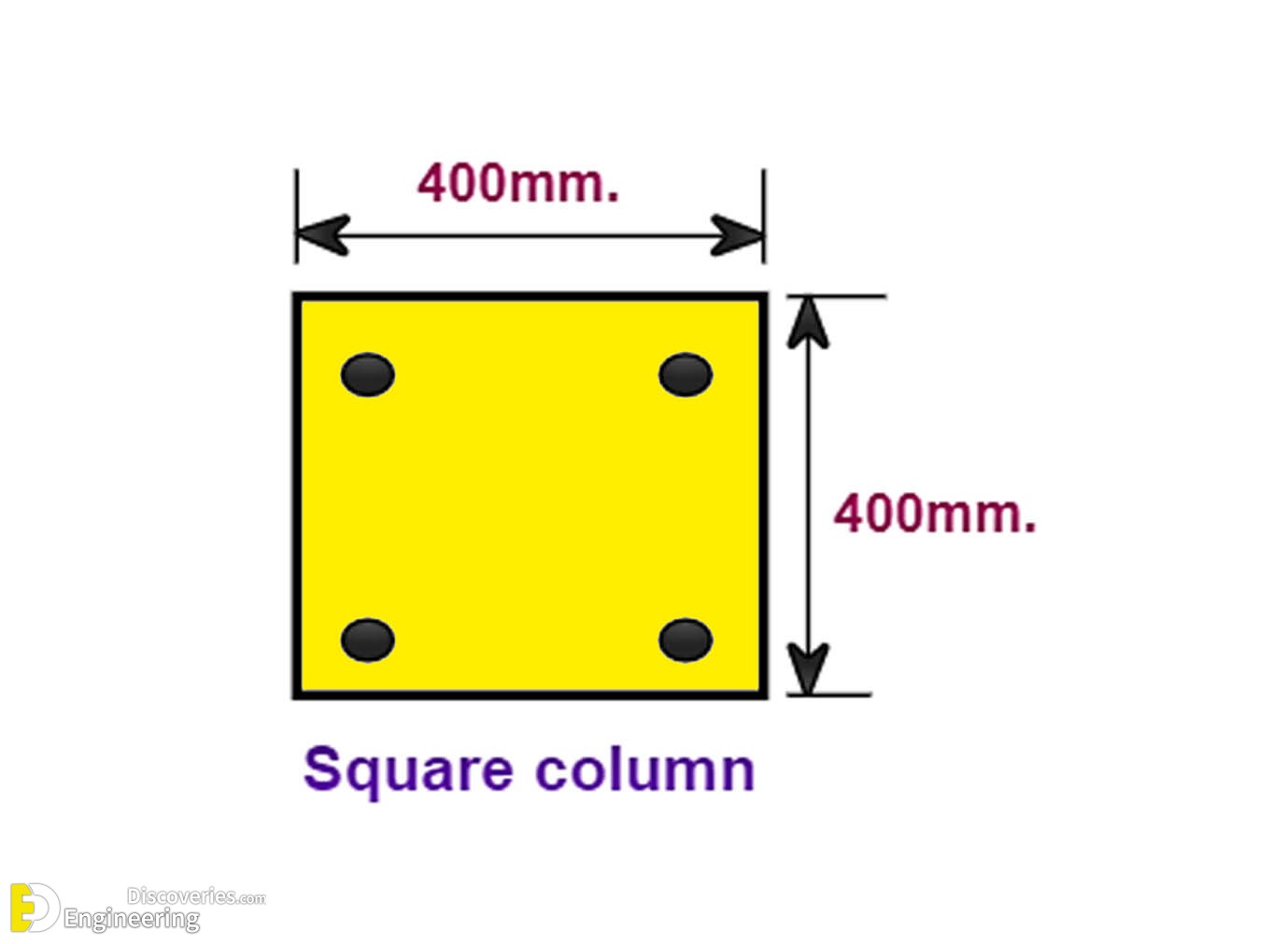
If the column is square-shaped:
L x B = L²
L² = 153051mm²
L = √153051mm²
L = 391.21mm
By rounding off, the final size of the square column will be:
400mm x 400mm
Rectangular Column Calculation
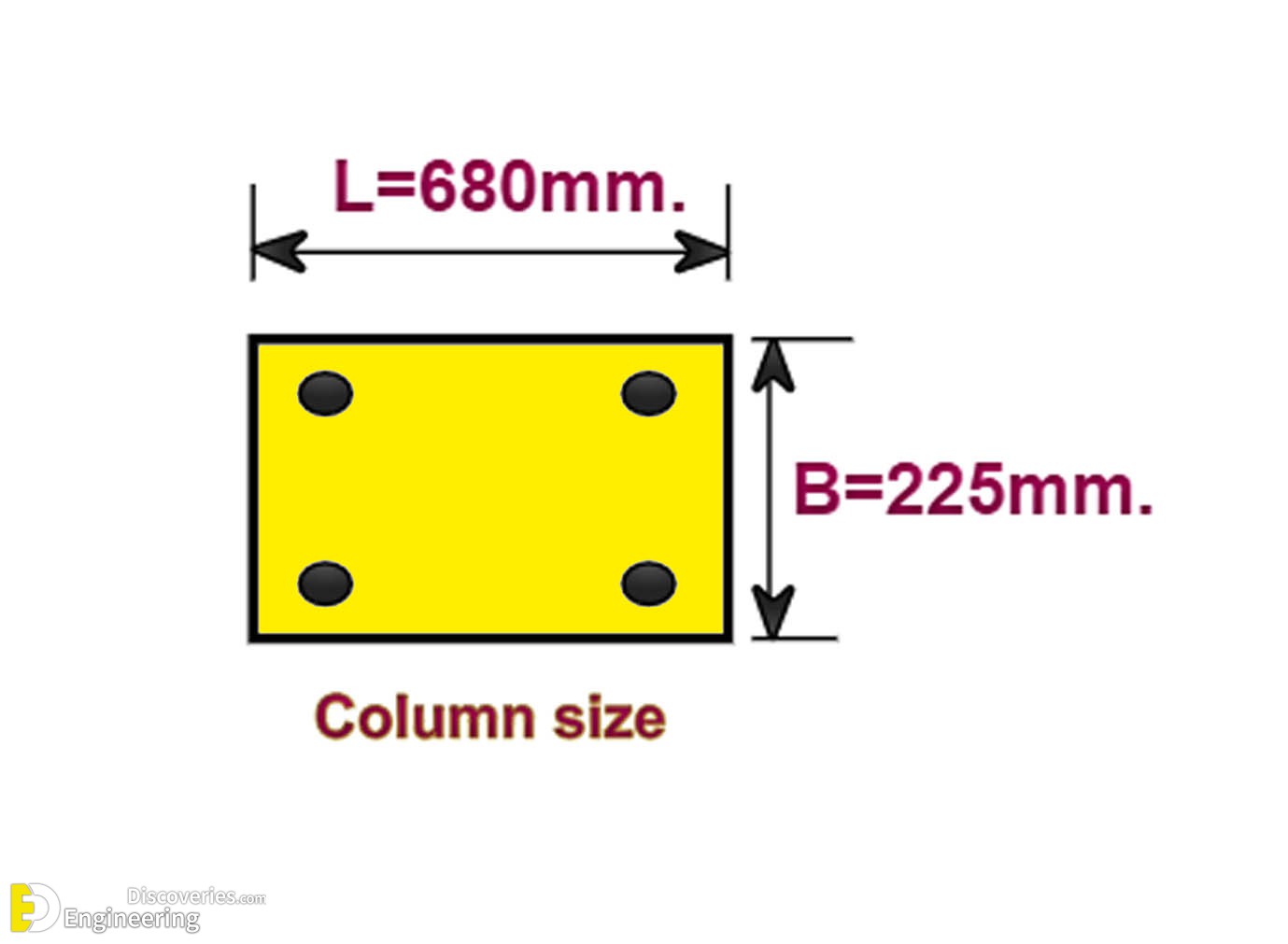
In residential buildings, the column breadth is typically 225mm (9″) to match the wall width.
Option 1:
L x 225mm = 153051mm²
L = 153051mm² ÷ 225mm
L = 680.2mm
The rectangular column size will be 225mm x 680mm
Option 2:
If the column width is 300mm (12″):
L = 153051mm² ÷ 300mm
L = 510mm
The column size will be 300mm x 510mm
Conclusion:
✅ This method is perfect for residential buildings (G+1, G+2).
🚫 For multi-storeyed buildings, lateral loads (wind, earthquake) and slenderness effects must also be considered.
Click Here To See Circular Vs Square: Which Column Is Preferred For House Construction
Loading related articles...
Loading recent articles...
Loading featured articles...
