
When driving on roads, you may not think much about what’s beneath your tires. However, the type of pavement plays a significant role in how roads handle traffic, weather, and the passage of time. Pavement is essentially the surface material that supports the weight of vehicles and distributes it to the underlying ground. The two main types of pavement are rigid pavement and flexible pavement, both serving different purposes and offering unique advantages depending on the conditions they are exposed to. In this article, we’ll explore these two types in depth, looking at their structures, materials, costs, and applications.

What is Rigid Pavement?
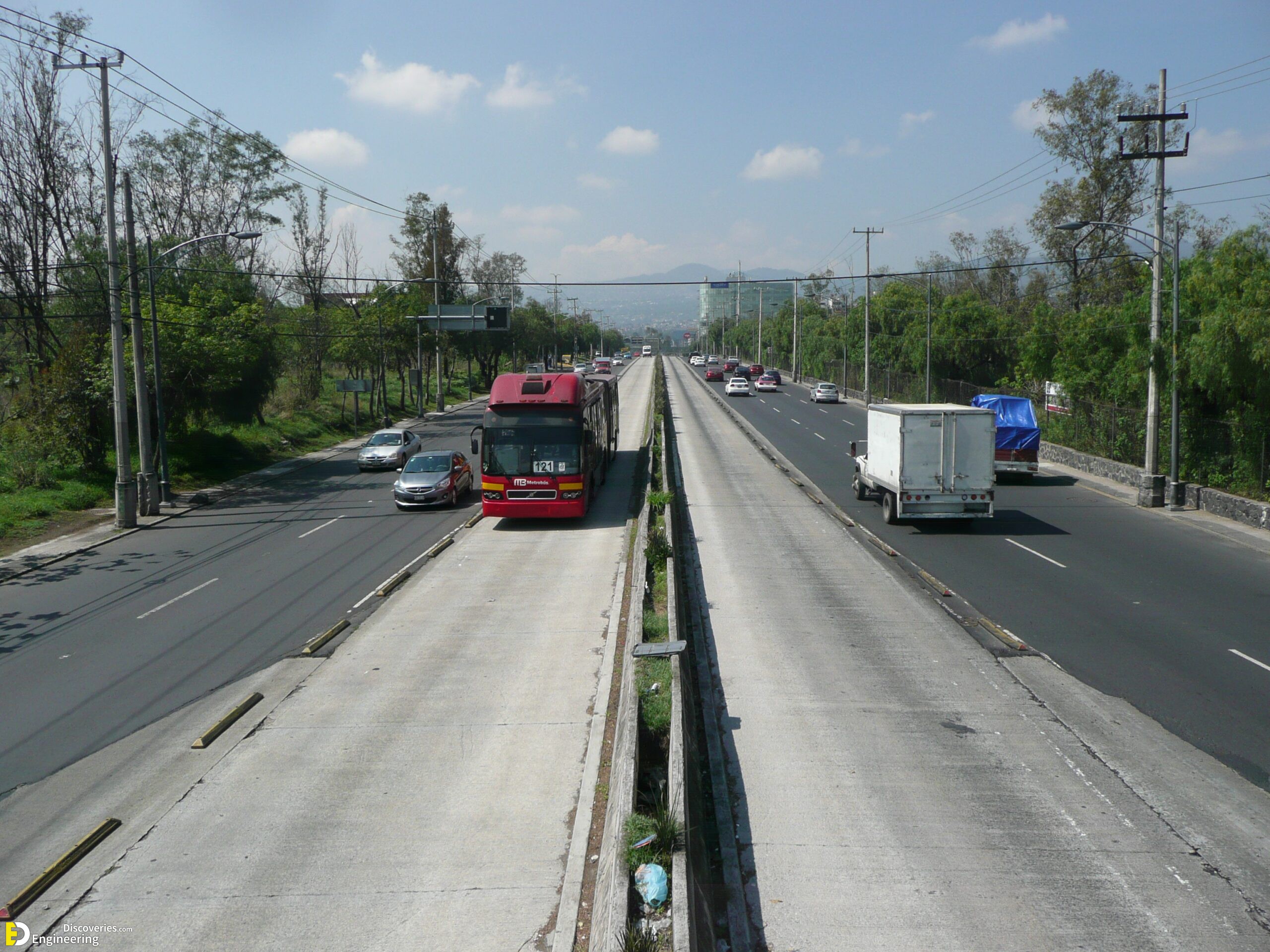
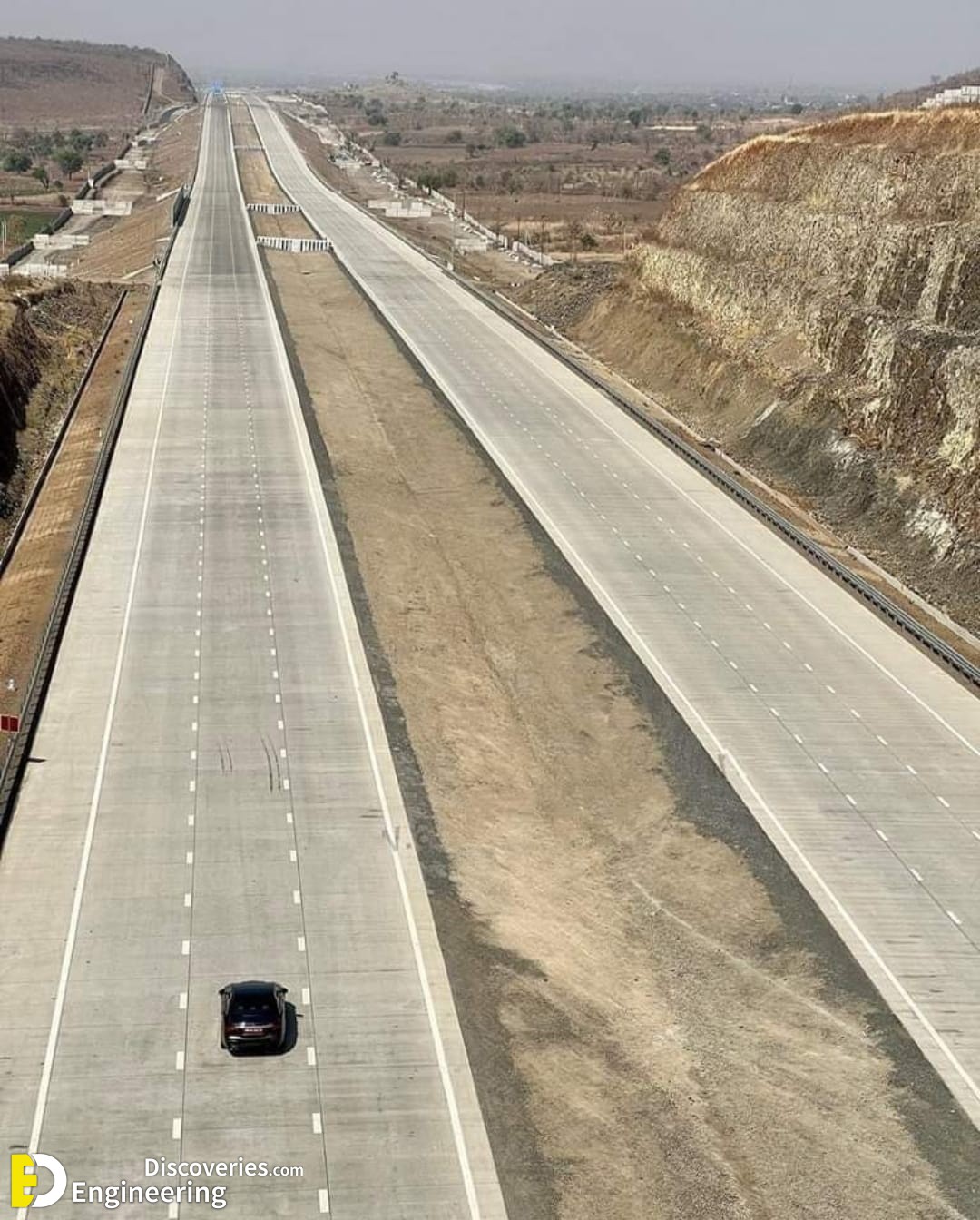
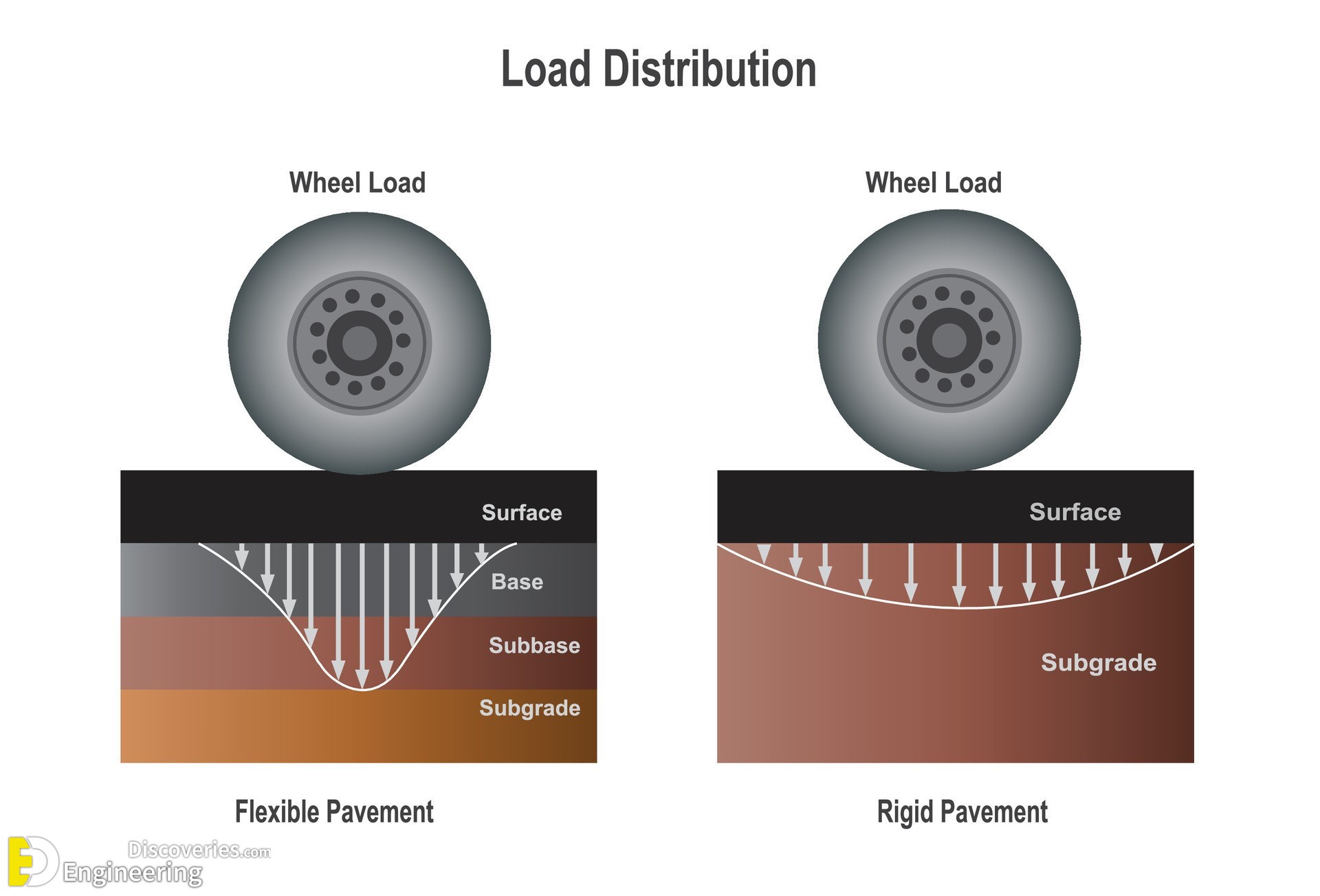
Rigid pavement is made of concrete slabs reinforced with steel. Its structure allows it to bear heavy loads over long periods without significant deformation.
Key Features of Rigid Pavement
What is Flexible Pavement?
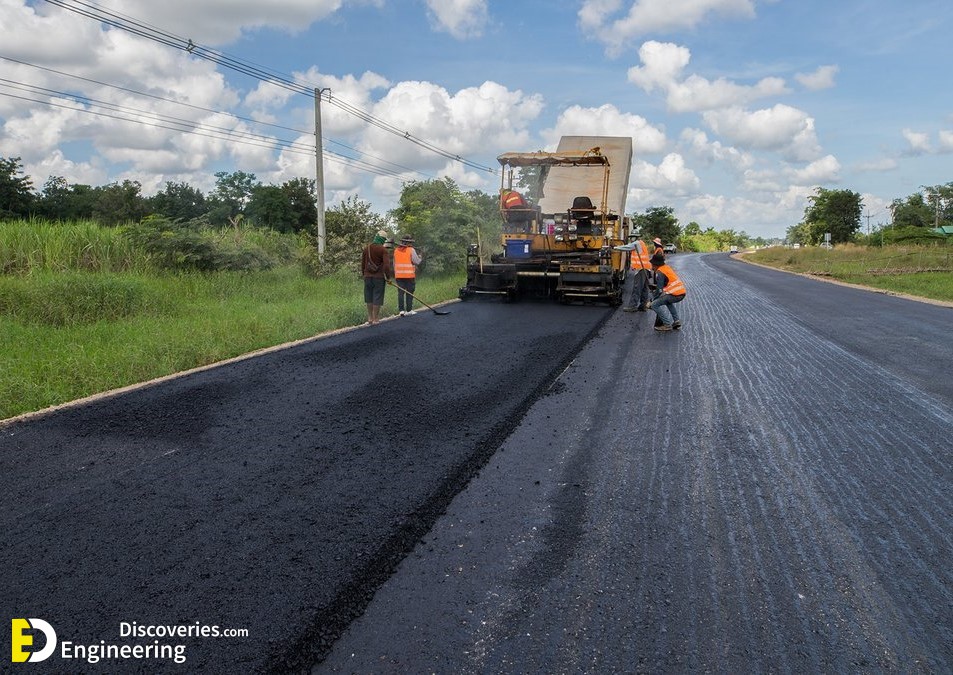
Flexible pavement consists of layers of asphalt and aggregates. It is designed to flex under traffic loads, making it more adaptable to minor shifts in the underlying soil.
Key Features of Flexible Pavement
Comparison: Rigid vs. Flexible Pavement
Both pavement types have their pros and cons. Here’s a side-by-side comparison:
Advantages of Rigid Pavement

Advantages of Flexible Pavement

Which Pavement is Better?
The choice between rigid and flexible pavement depends on various factors such as budget, traffic volume, and maintenance preferences. Rigid pavement is ideal for areas with heavy traffic or high loads, while flexible pavement is better for cost-conscious projects and regions where the soil may shift.
Click Here To See Comprehensive Guide To Types Of Retaining Walls
Loading related articles...
Loading recent articles...
Loading featured articles...
