
Introduction to Ancient and Modern Water Systems
Aqueducts have revolutionized how we transport water. The Roman aqueducts were engineering marvels of their time. Modern aqueducts, however, incorporate technology that goes far beyond gravity-based systems.
This article compares Roman and modern aqueducts. You’ll understand how both systems operate and what sets them apart.
How Roman Aqueducts Worked
Roman engineers built aqueducts to supply water to cities, baths, fountains, and farms. These systems depended entirely on gravity. The water flowed from a reservoir or spring at a higher elevation to the destination at a lower level.
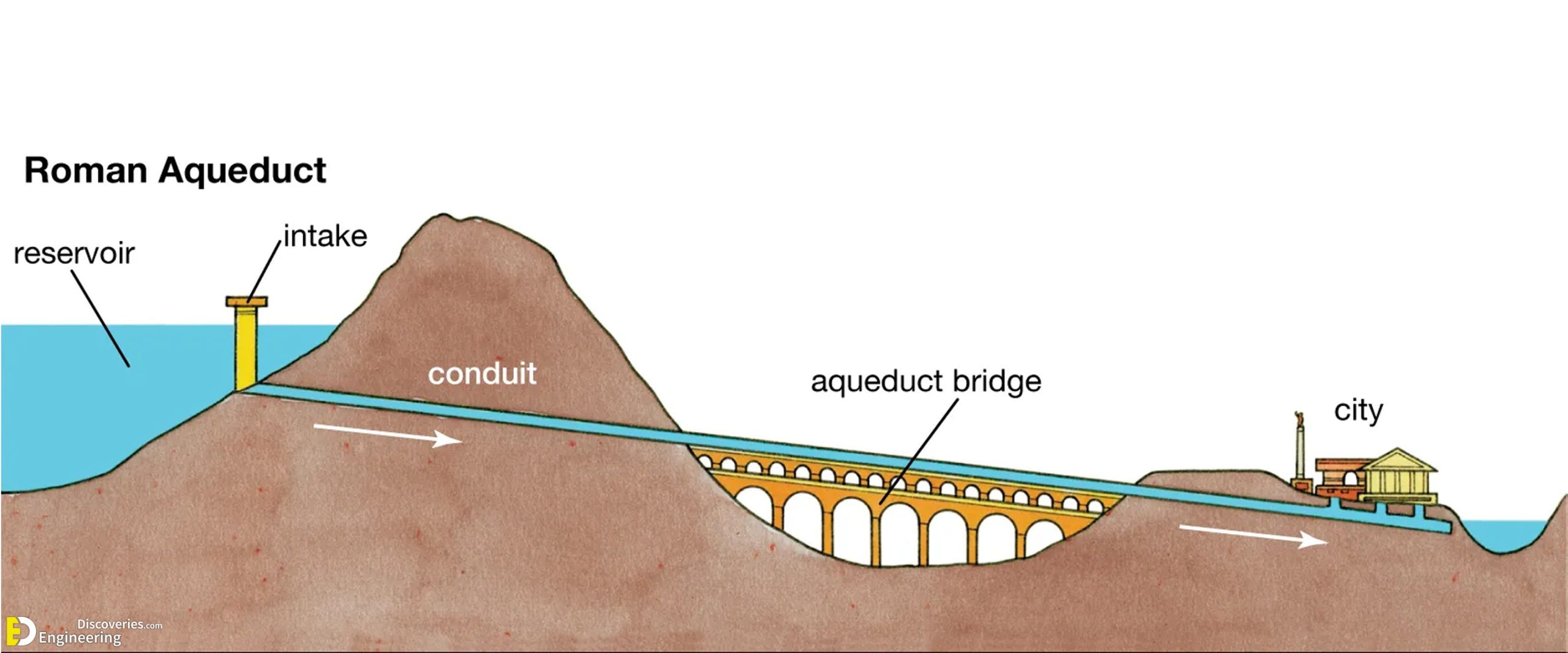
Key Features of Roman Aqueducts
Romans had to maintain precise slopes to keep water moving. They used tools like chorobates and groma to measure elevation.
Modern Aqueduct Systems Explained
Today’s aqueducts use advanced engineering and electric pumps. These systems no longer rely solely on elevation differences.
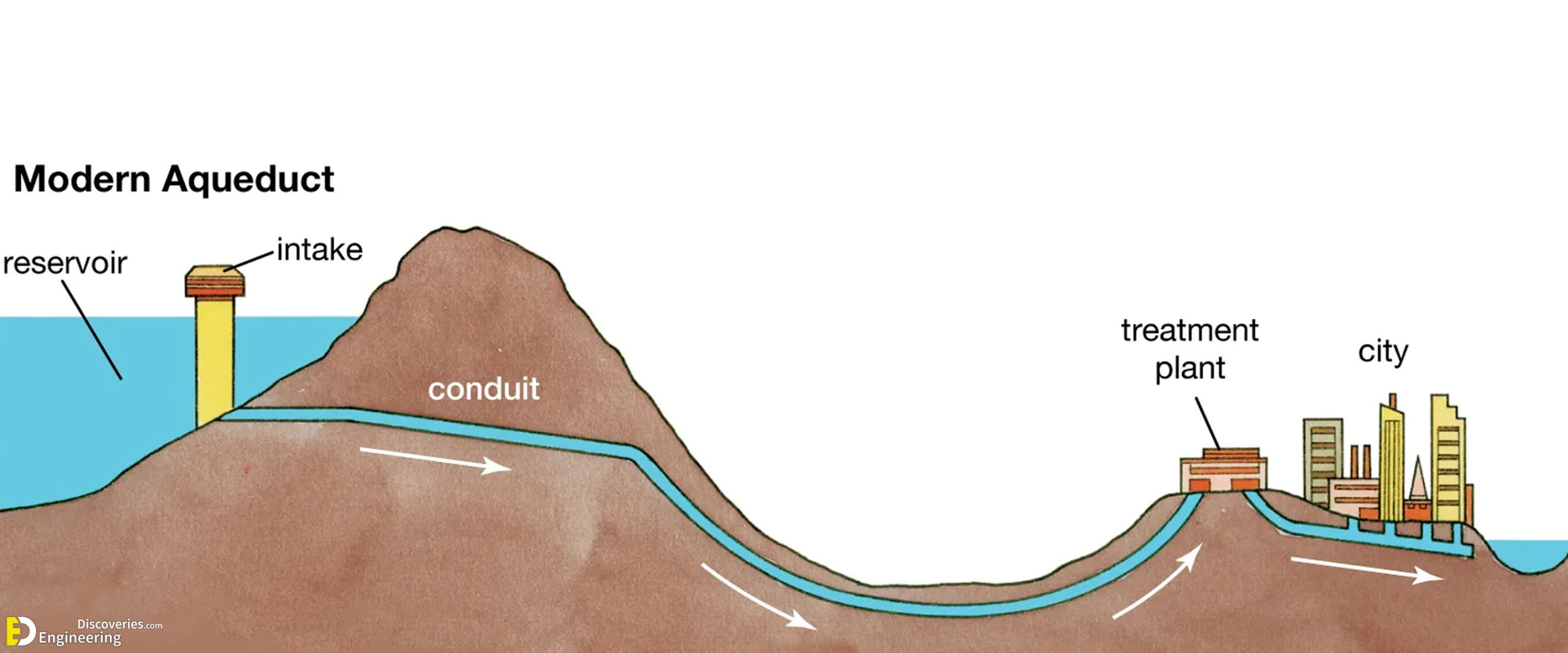
Key Components of Modern Aqueducts
Modern aqueducts can bend and rise along terrain without affecting flow. Technology enables long-distance transport, even across deserts or mountains.
Major Differences Between Roman and Modern Aqueducts
| Feature | Roman Aqueduct | Modern Aqueduct |
|---|---|---|
| Power Source | Gravity | Electric Pumps |
| Construction Material | Stone, Concrete | Steel, PVC, Reinforced Concrete |
| Water Purification | None | Treatment Plants |
| Design | Above-ground, Bridges | Mostly Underground |
| Efficiency | Limited to slope | Independent of terrain |
Modern systems don’t rely on natural slopes. They can transport massive volumes of water to distant cities. Pumps and sensors ensure flow control and detect leaks quickly.
Water quality is also vastly improved. Treatment plants remove bacteria, sediments, and chemicals, making water safe to drink.
How Both Systems Impact Society
Roman aqueducts supported urban expansion, sanitation, and agriculture. They were central to Rome’s growth and prosperity.
Modern aqueducts support millions daily. They power industries, maintain public health, and support food production. Cities like Los Angeles and New York rely on such systems to thrive.
Click Here To See The Ultimate Guide To Dams Understanding The Different Types And Their Vital Uses
Loading related articles...
Loading recent articles...
Loading featured articles...
