
Road construction relies heavily on bitumen, a key material that ensures durability, stability, and long-lasting performance. Understanding the different types of bitumen used in road construction can help engineers, contractors, and decision-makers select the right materials for their projects. This article explores the various bitumen types used in road construction and their specific applications.
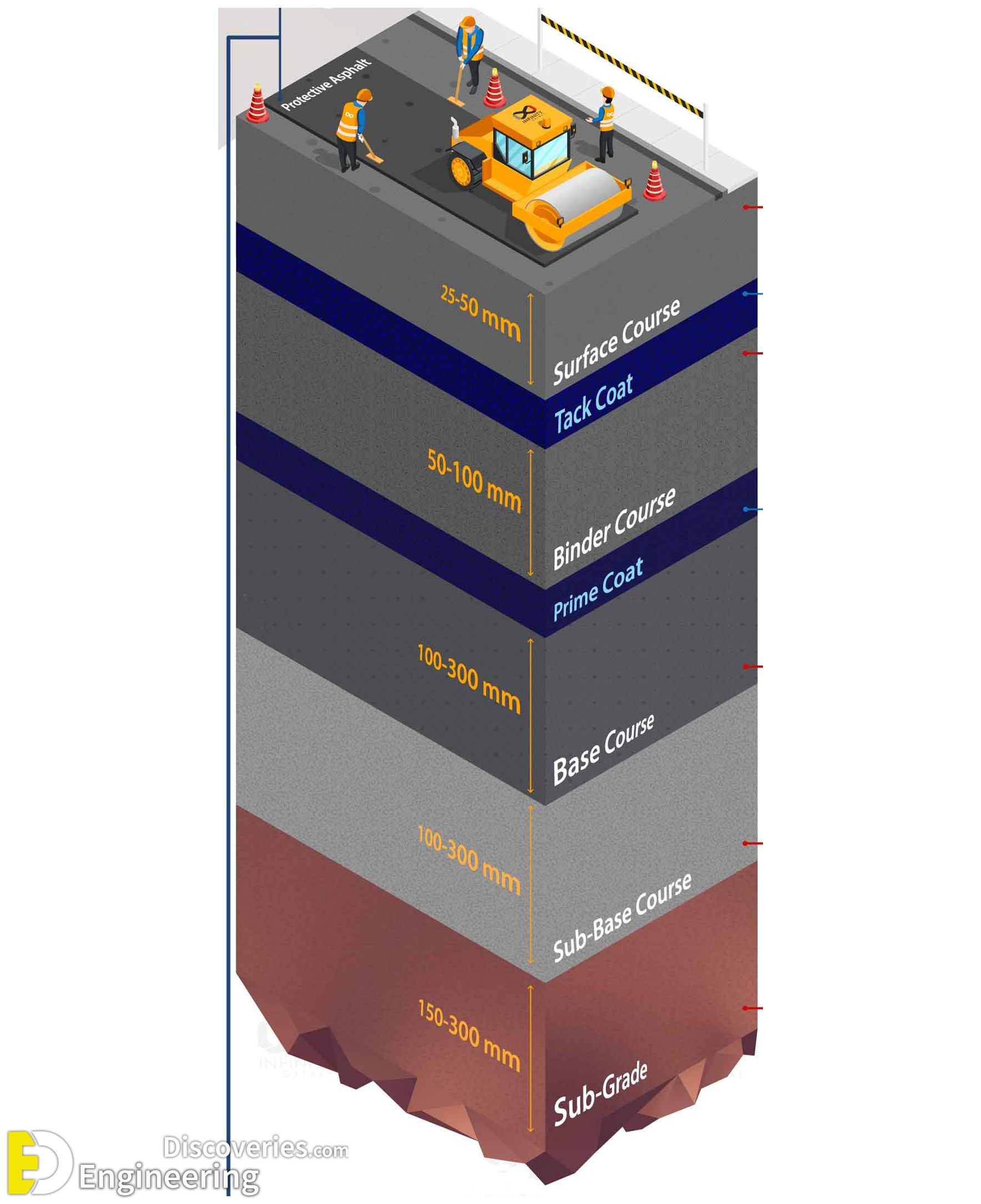
1. Surface Course
The surface course is the topmost layer of the pavement, exposed to traffic and environmental conditions. It is designed to withstand wear and tear while providing a smooth and safe driving surface.
2. Tack Coat
A tack coat is a thin layer of liquid bitumen applied between two asphalt layers to enhance bonding.
3. Binder Course
The binder course is placed between the surface and base course to distribute loads effectively.
4. Prime Coat
A prime coat is applied to prepare the base course for asphalt layers by ensuring proper adhesion.
5. Base Course
The base course distributes loads from the upper layers to the lower layers while maintaining the structural integrity of the road. It is constructed using durable aggregates.
6. Sub-Base Course
The sub-base course lies below the base course and consists of crushed aggregates or gravel. It provides additional support and load distribution.
7. Sub-Grade
The subgrade is the natural ground layer where all other layers are placed. It must be compacted and strong enough to bear traffic loads.
Protective Asphalt for Road Longevity
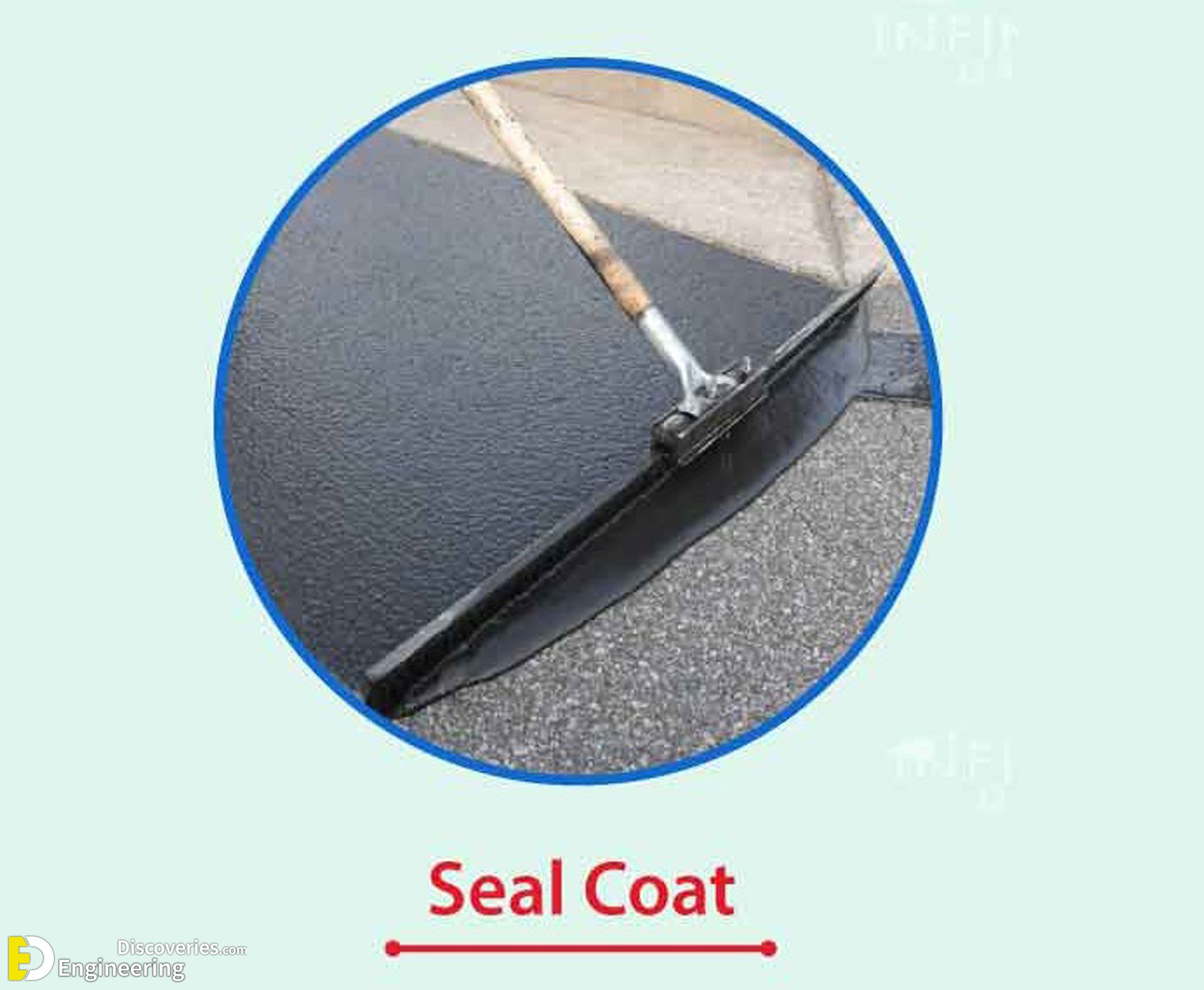
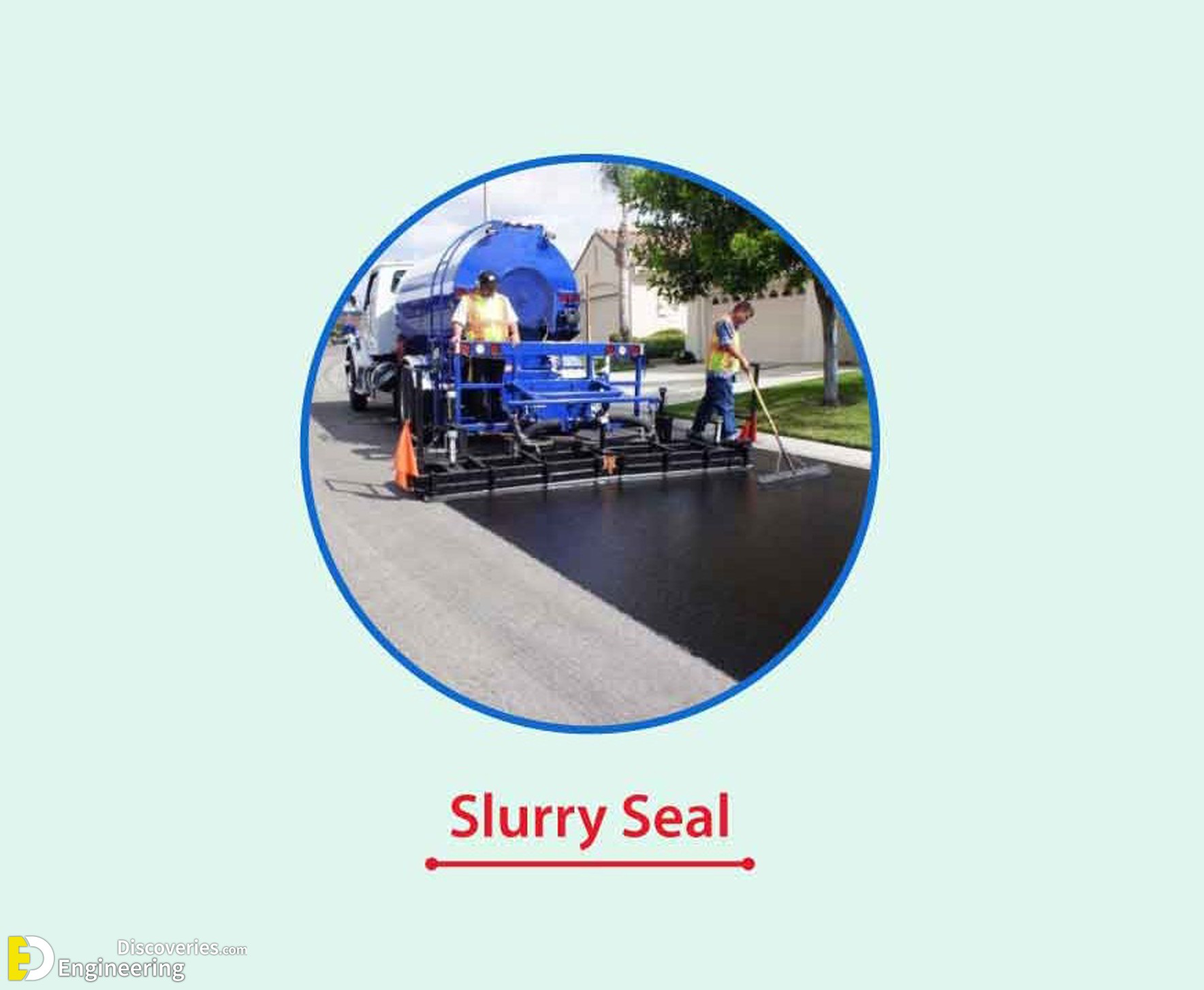
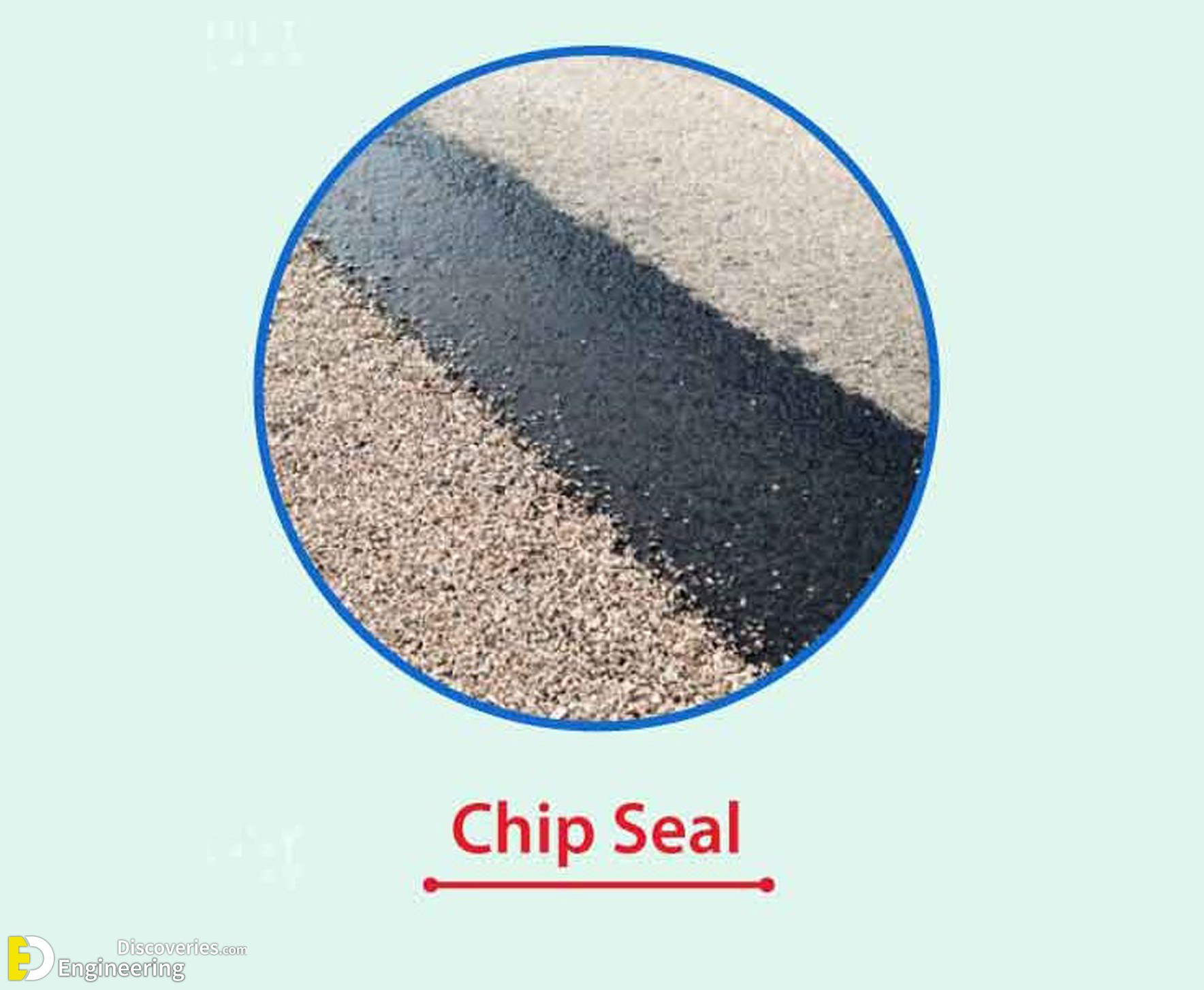
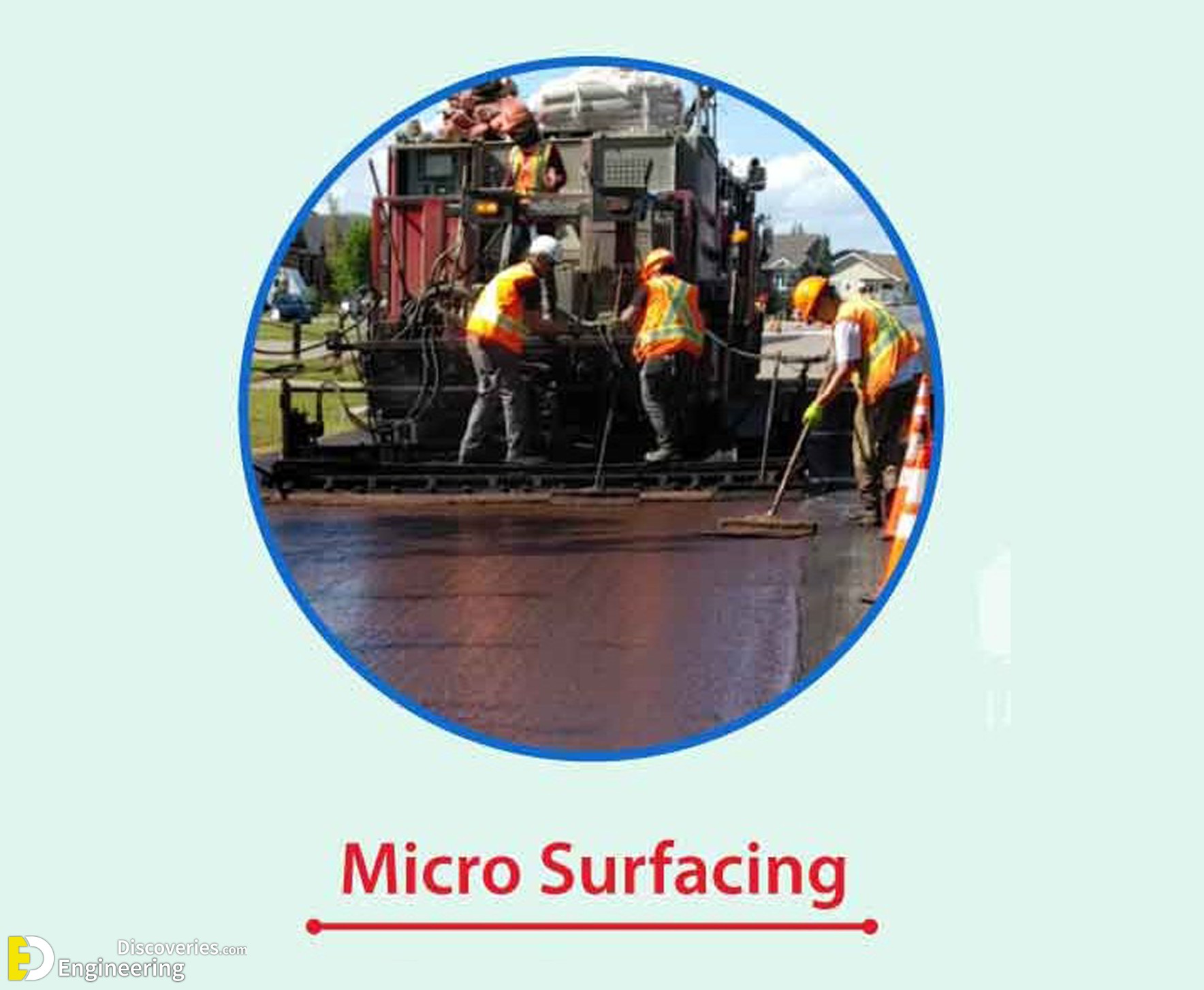
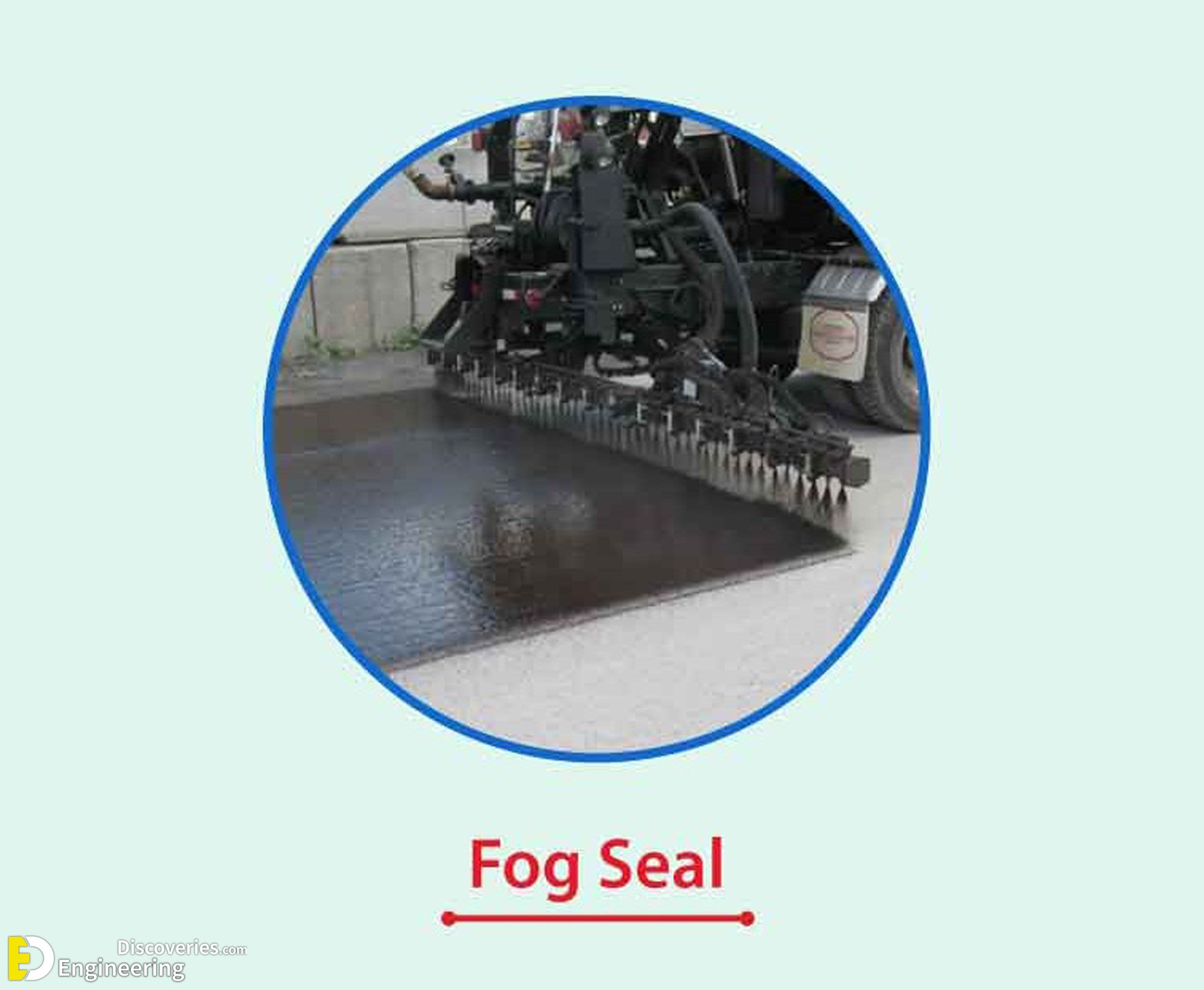
Protective asphalt treatments enhance road durability by making the surface impermeable, increasing strength, and preventing damage. Several types of protective asphalt treatments include:
Conclusion
Bitumen plays a crucial role in road construction, ensuring strength, durability, and longevity. The different layers and coatings used in pavement construction contribute to overall performance, safety, and maintenance efficiency. Understanding these materials allows engineers to design roads that are sustainable, cost-effective, and suitable for varying traffic conditions.
Click Here To See Construction Of Low-Traffic Roads by Using Old Tires
Loading related articles...
Loading recent articles...
Loading featured articles...
