
What is Bricks?
Brick is one of the oldest and popular building materials used nowadays because of being cheap, durable, and easy to handle and work with. Bricks are light in weight therefore bricks replace stones. It is rectangular in shape and can be conveniently handled with one hand. Bricks are obtained by molding clay and then by drying and burning these blocks.
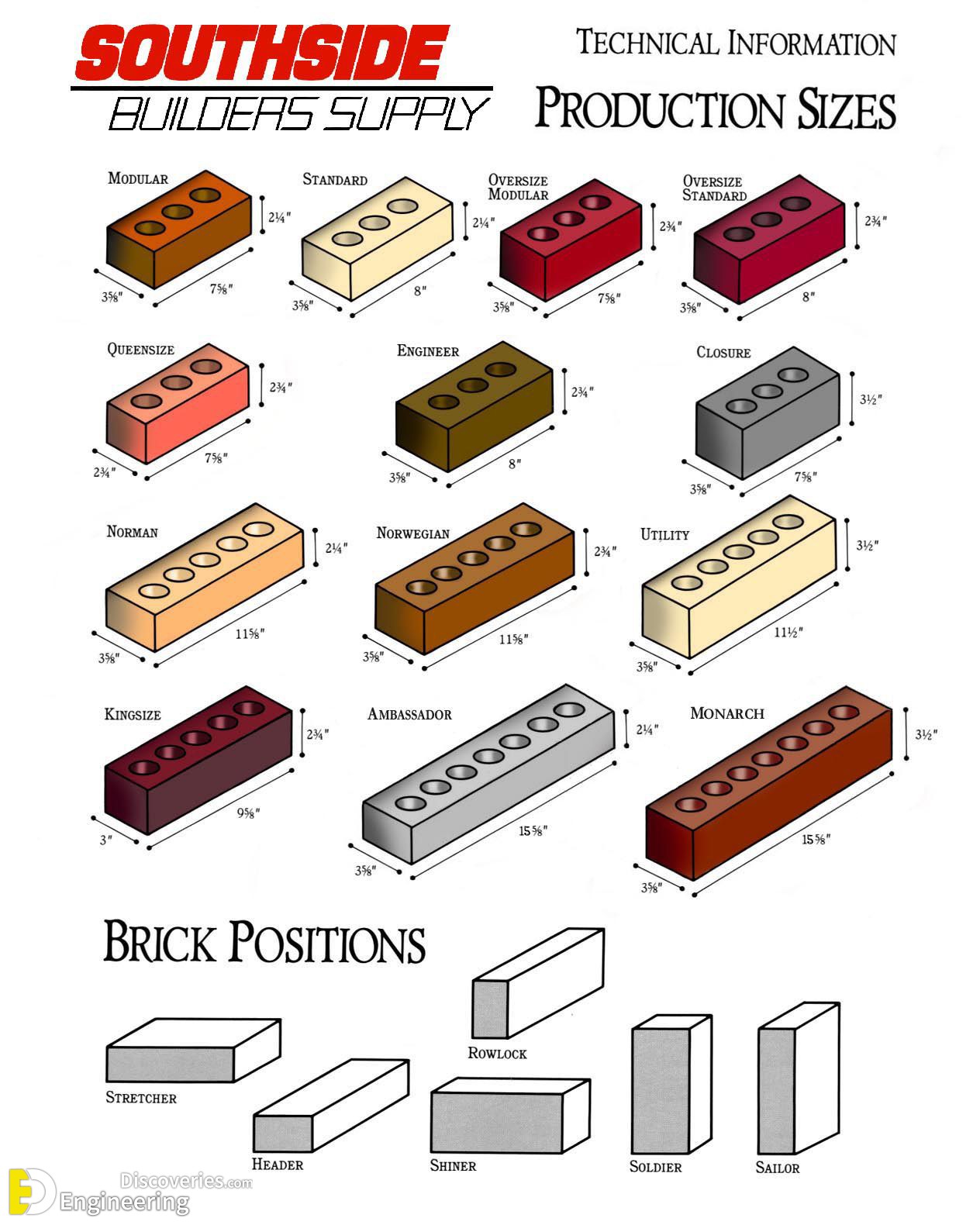
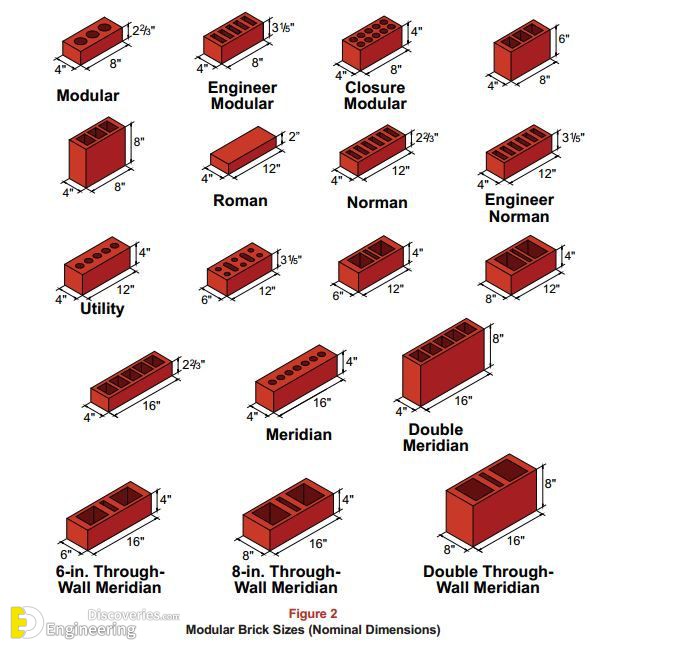
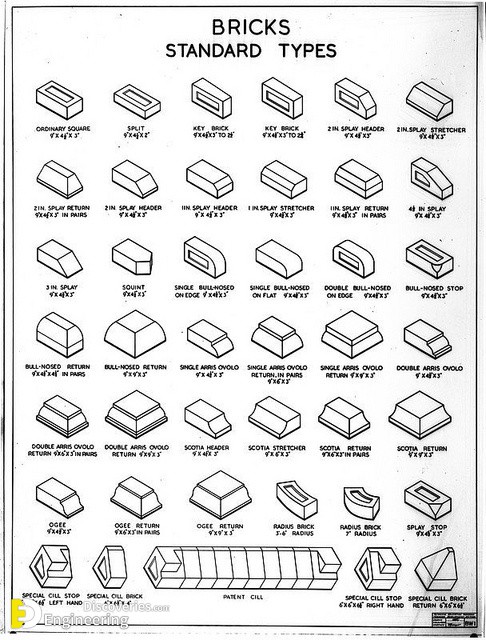
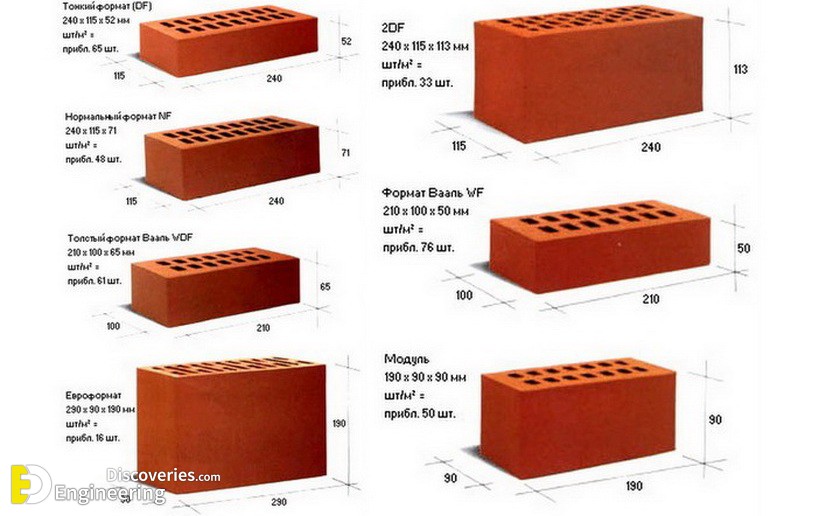
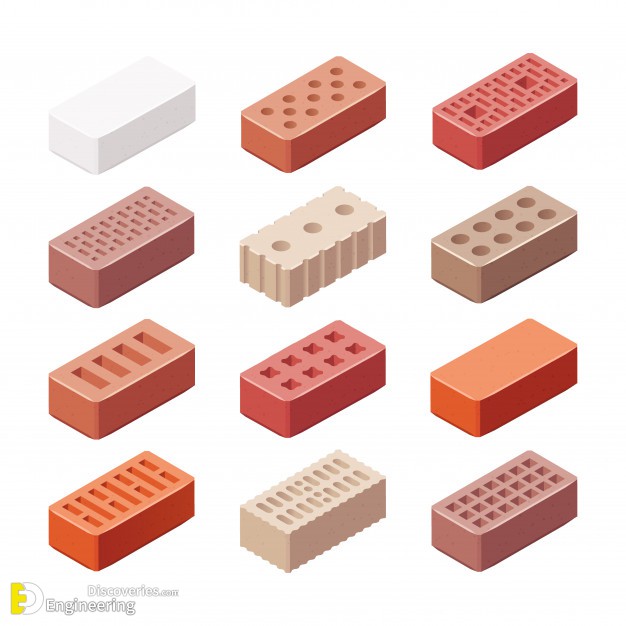
Composition of Bricks
1. Alumina
It is one of the major constituents of every clay. A brick should contain alumina in between 20 to 30 %. Alumina in brick earth provides plasticity so that it can be molded easily. If alumina is in huge quantity, raw bricks may lead to shrink and warp during drying and burning.
2. Silica
Good brick earth should contain about 50 to 60 % of silica. Silica provides the bulk to brick earth, uniform Shape and size of brick is maintained by Silica. It exists in clay in free or combined form. Silica is helpful for the prevention of cracking, shrinking, and warping of raw bricks. Excess of silica mat leads to the destruction of the cohesion between particles and bricks become brittle.
3. Lime
A small quantity of lime is desirable to reduce the shrinkage in brick and brick will be denser but excess lime deforms the shape of a brick. If lime is present in form of lumps after burning the brick unsoundness will take place.
4. Oxides of Iron
A small quantity of oxide of iron of 5 to 6% imparts reddish-brown color. It also helps in using lime and silica. Excess of iron can lead the bricks to dark blue or blackish.
5. Magnesia
Less than 1% of magnesia is provided in brick and it imparts a yellow tint to brick and decreases shrinkage. Excess magnesia leads to the decay of brick.
Properties and Tests of Bricks
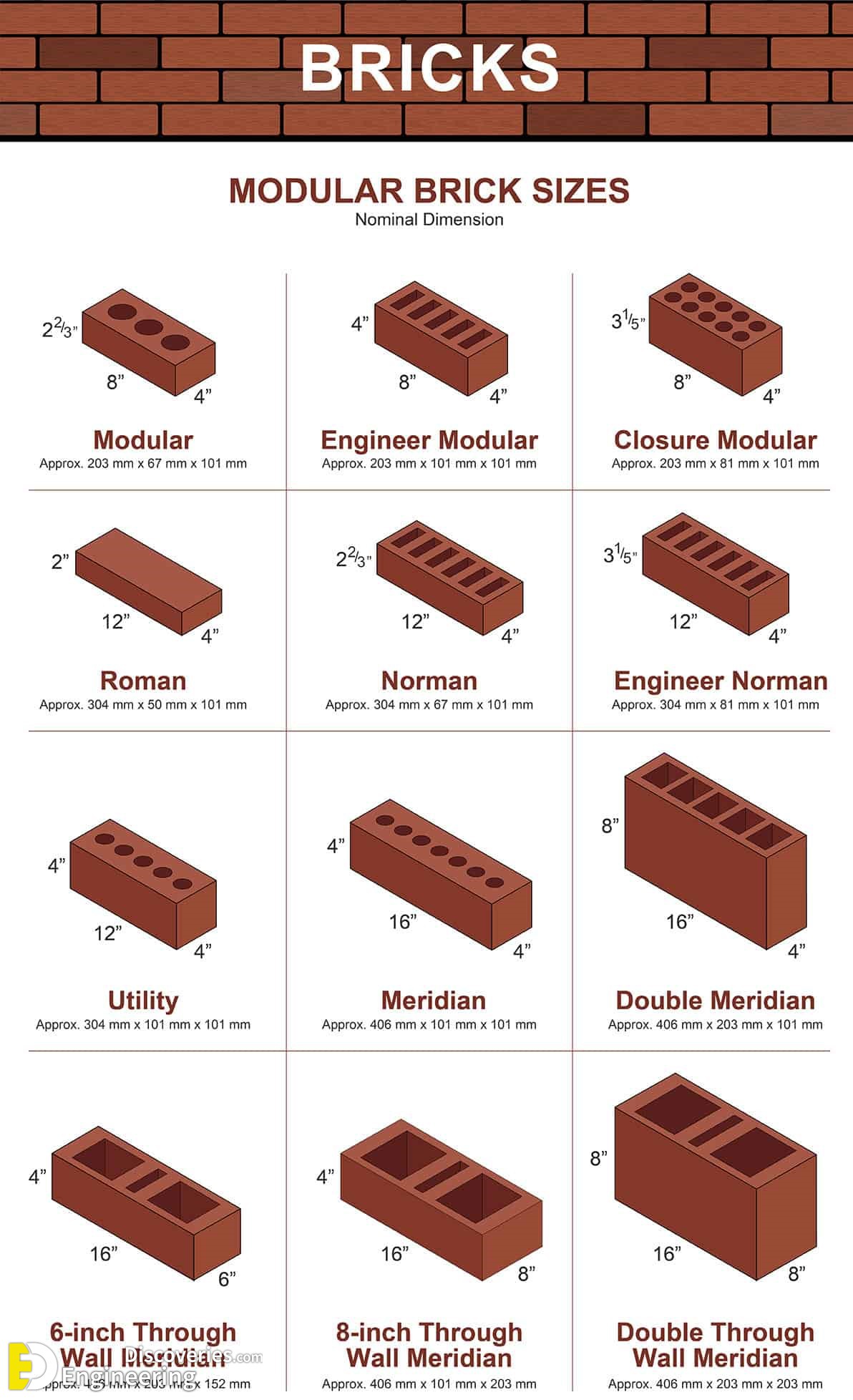
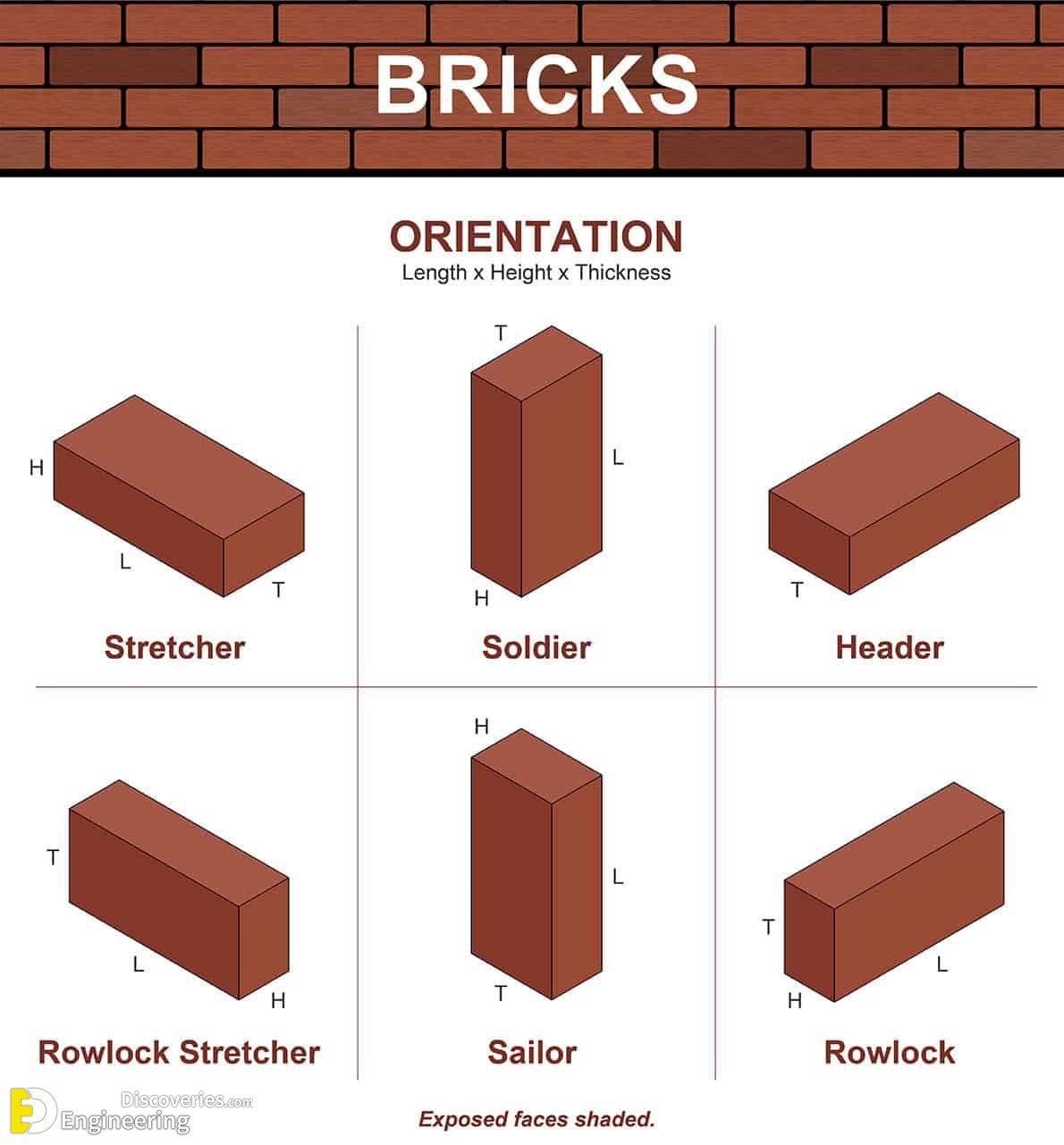
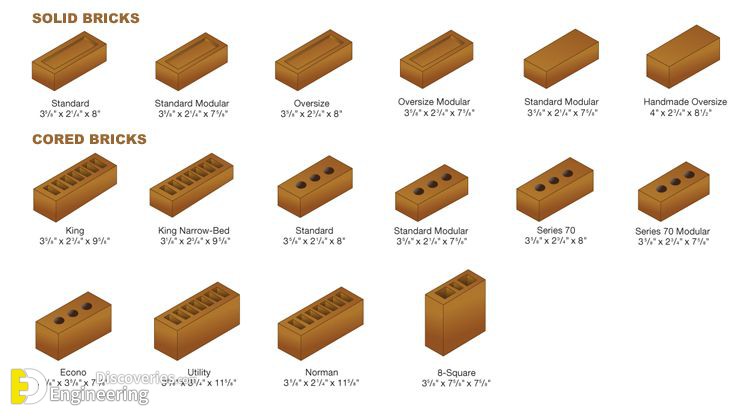
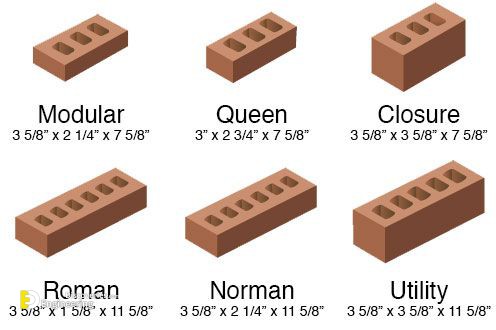
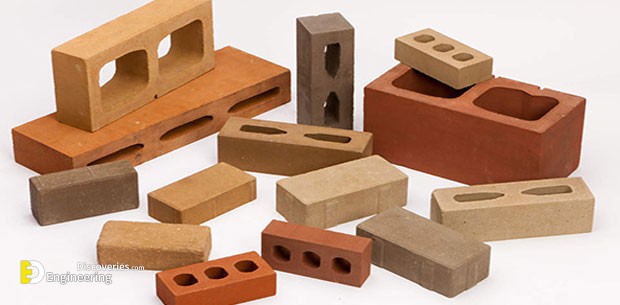
Types of Bricks and their Application
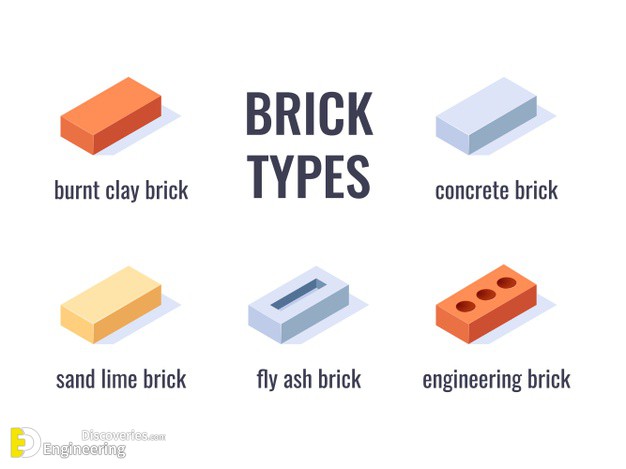
1. Types of bricks on the basis of burning
A) Unburnt or Sundried brick
They are dried with the heat received by the sun after molding. They are used at a cheap and temporary structure and cannot be used where heavy rainfall occurs.
B) Burnt brick
They are burnt in clamp or kiln and are classified in the following categories:
2. Types of bricks on the basis of Special Purpose
They are formed to meet the ornamental decoration of the structure.
A) Bull Nosed brick
They have a round edge at one side and used where a sharp edge is not required.
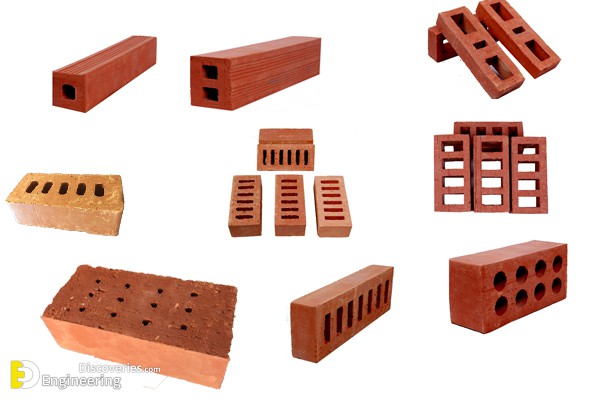
B) Perforated brick
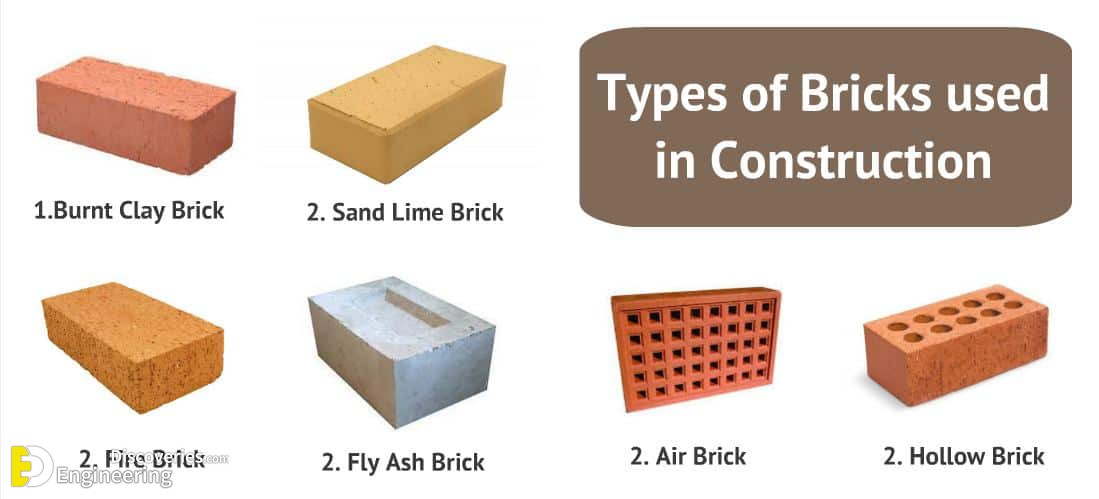
In this brick huge number of perforates is provided along with its thickness. They are easily burnt and light in weight. They are used for non-load-bearing walls, partition walls.
C) Hollow brick
One or more cavities are provided in this brick. They are also light weighted and used where insulation is required against heat.
D) Circular brick
Both the faces of brick are curved of a particular radius to meet the required demand. Used for wells and towers.
3. Grading of bricks based on IS 1077: 1992 code specification
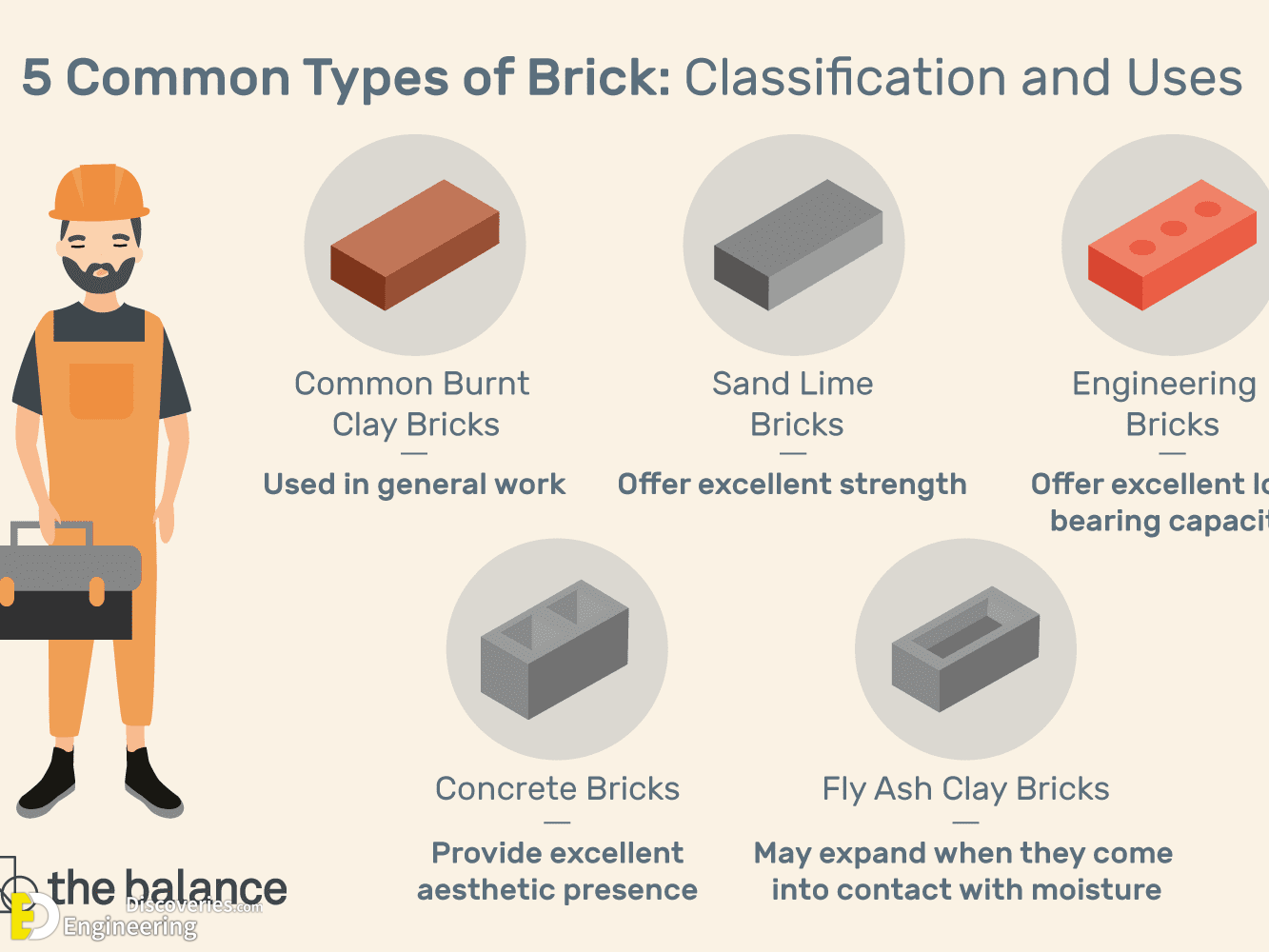
Click Here To See How To Calculate Bricks, Cement, And Sand Quantity In 9″ Brick Wall
Loading related articles...
Loading recent articles...
Loading featured articles...
