
Extra Steps
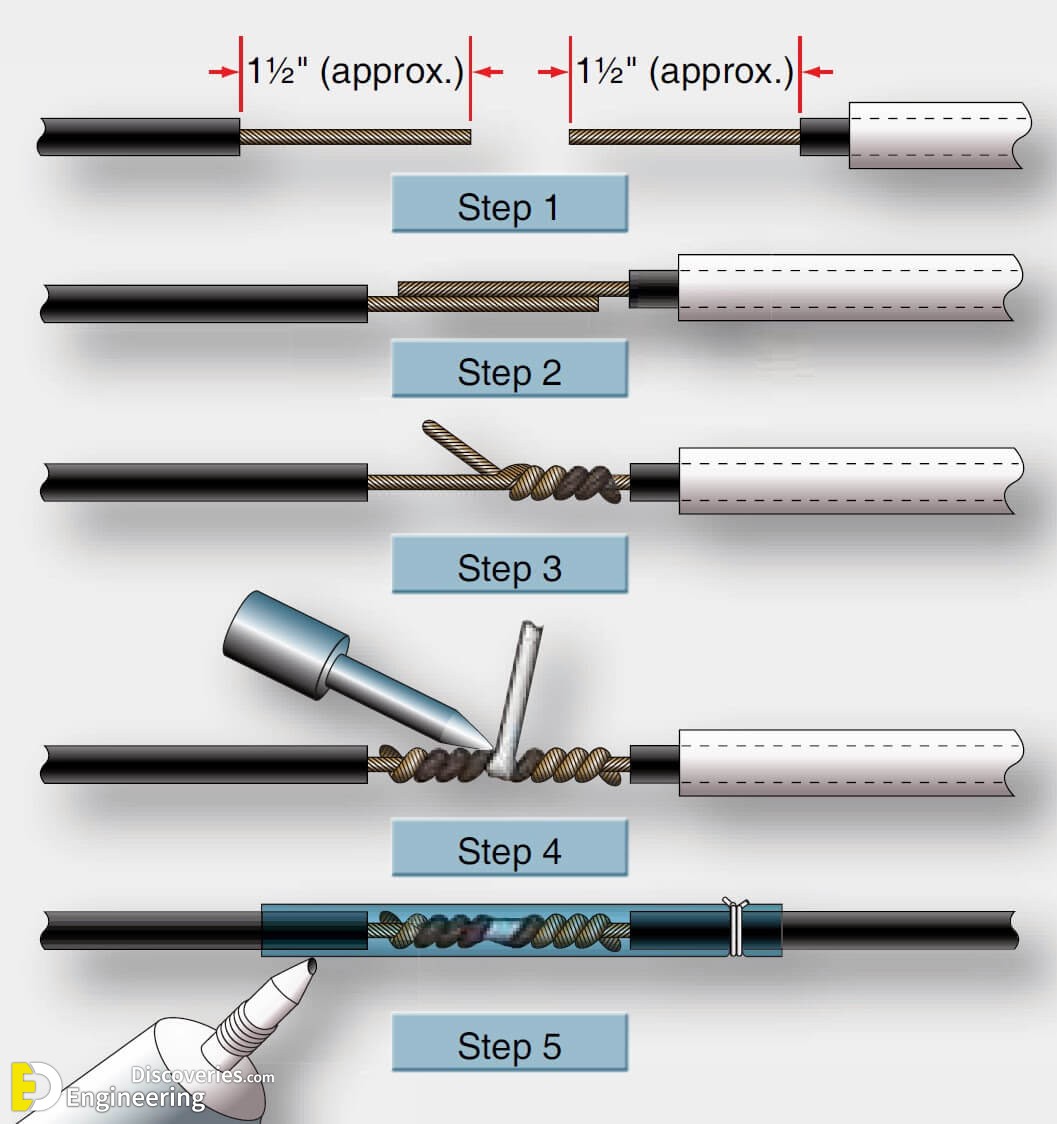
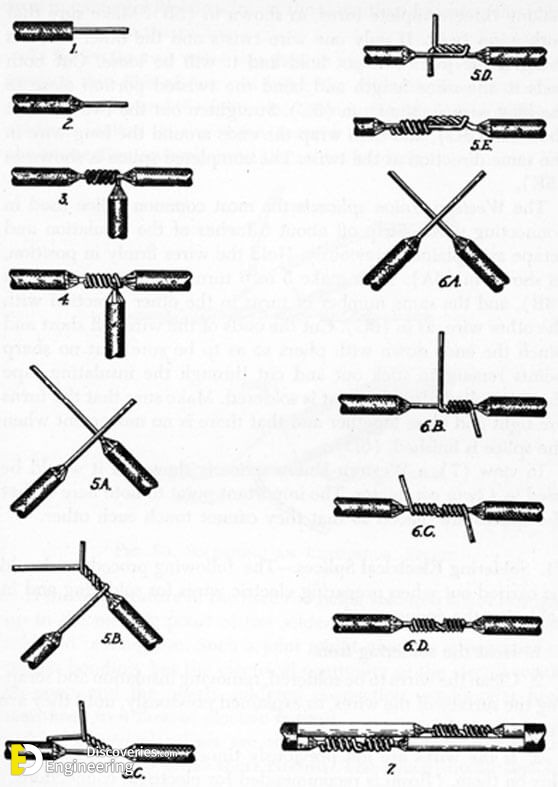
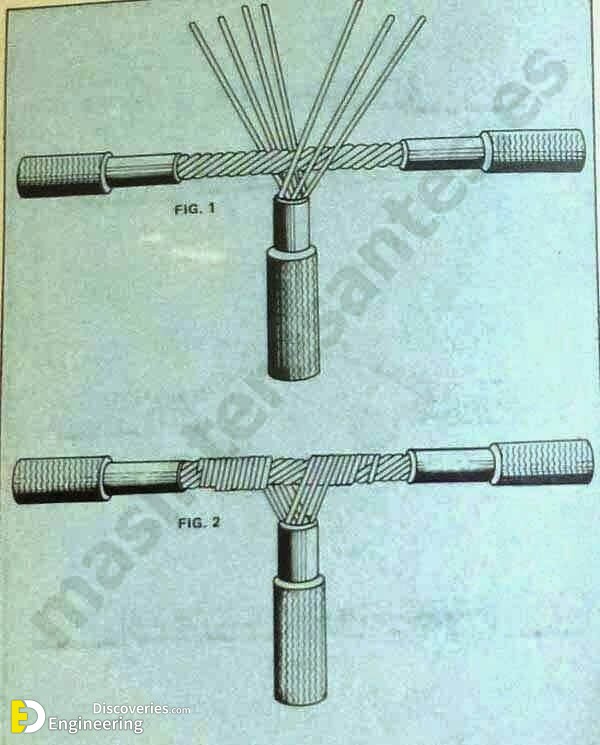
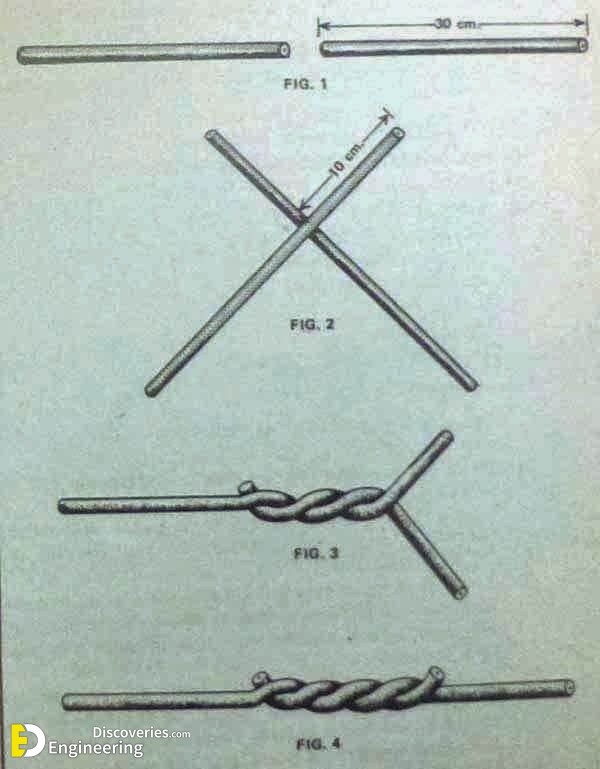
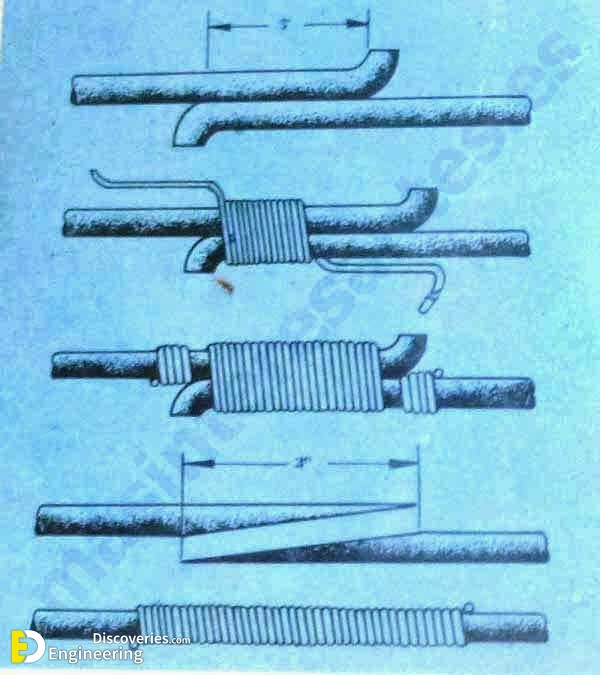
After forming a wire splice, it’s highly recommended to solder it in order to secure it. A good wire splice will hold without a solder, but the solder adds an important backup. After a splice has been soldered, it should be covered with electrical tape. This acts as a replacement for the wire insulator and keeps the wires safe from catching on fire.
Other Methods Of Joining Wires
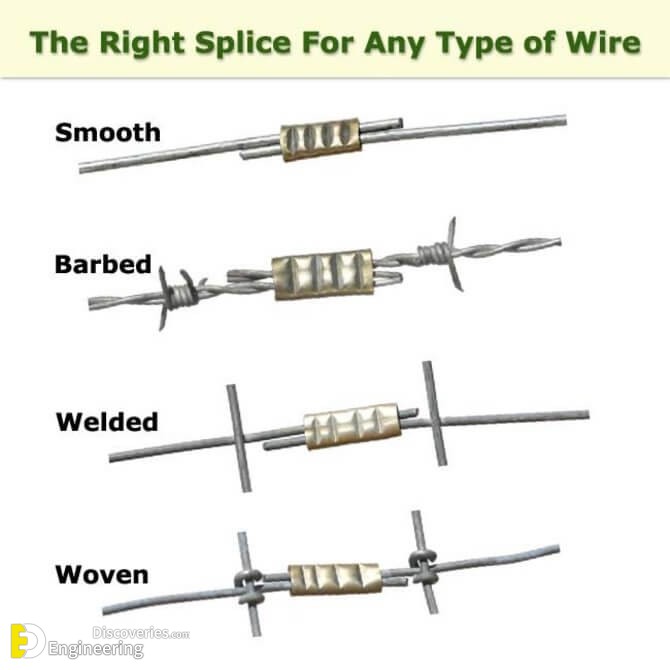
Wires can also be joined with devices called wire nuts, screw terminals or crimp connectors.
Wire nuts, also known as twist-on wire connectors, have an insulated cap and a metal inside. Two wires can be inserted into the wire nut, and once the nut is twisted, they are held in place.
Screw terminals are more commonly used to repair damaged wires. There is a metal plate inside the terminal where the wires are held. The outer part of the screw terminal is insulating plastic. The screws are tightened, which is how they hold the wire in place.
Typically, crimp connectors are used to terminate stranded wires in electrical circuits. The end of the wire is inserted, then the connector is closed, clamping the wire inside. Crimp connectors also bond the wires together inside by – you guessed it – crimping them together.
Click Here To See Why Is Earth Pin (E) Longer And Thicker Than Live And Neutral Pins