
Underpinning is a crucial technique in construction and civil engineering used to strengthen and stabilize the foundation of an existing structure. Over time, buildings may experience foundation problems due to soil movement, poor initial construction, or external factors like nearby excavation. In such cases, underpinning becomes essential to preserve the integrity of the building and avoid collapse. This method is also used to increase the depth of foundations when a building is set to undergo additional construction or load-bearing expansions.
Why is Underpinning Necessary?
There are several reasons why underpinning may be required for a structure. These include:
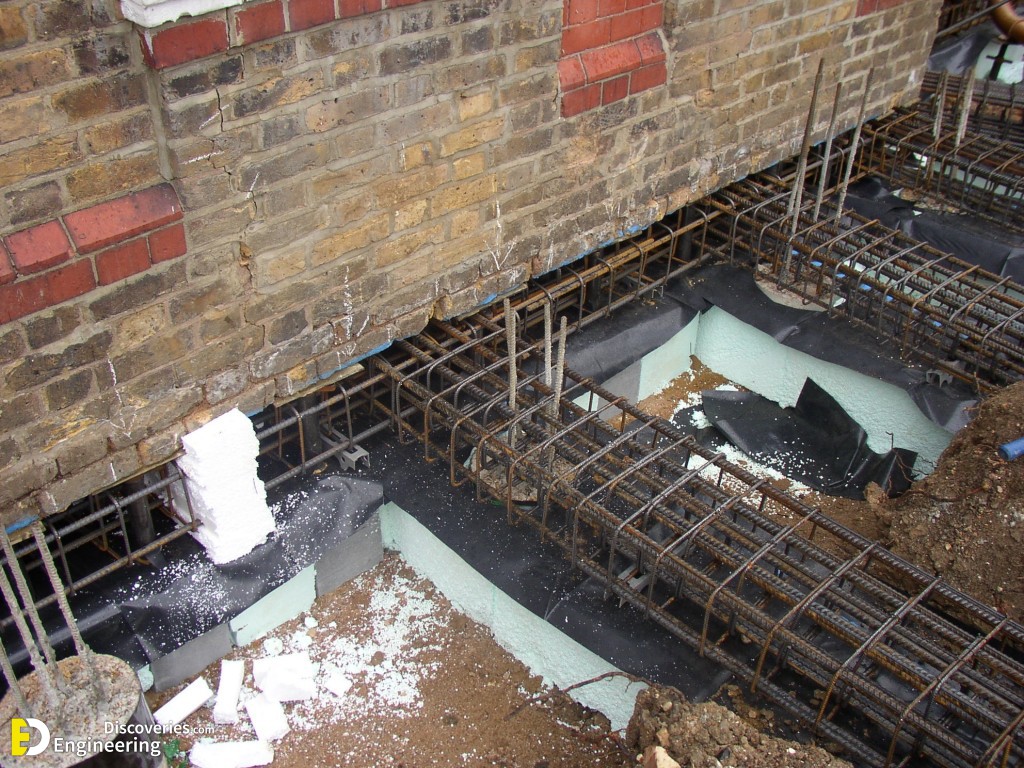
Types of Underpinning Methods
There are several underpinning techniques available, each with its own advantages and use cases. The choice of method depends on various factors such as the type of soil, the condition of the existing foundation, and the structural load of the building.
1. Traditional Mass Concrete Underpinning
This is the oldest and most commonly used form of underpinning. Also known as the pit method, mass concrete underpinning involves digging small sections beneath the existing foundation and pouring concrete into these pits. The process is carried out in phases to ensure the stability of the structure during the underpinning process.
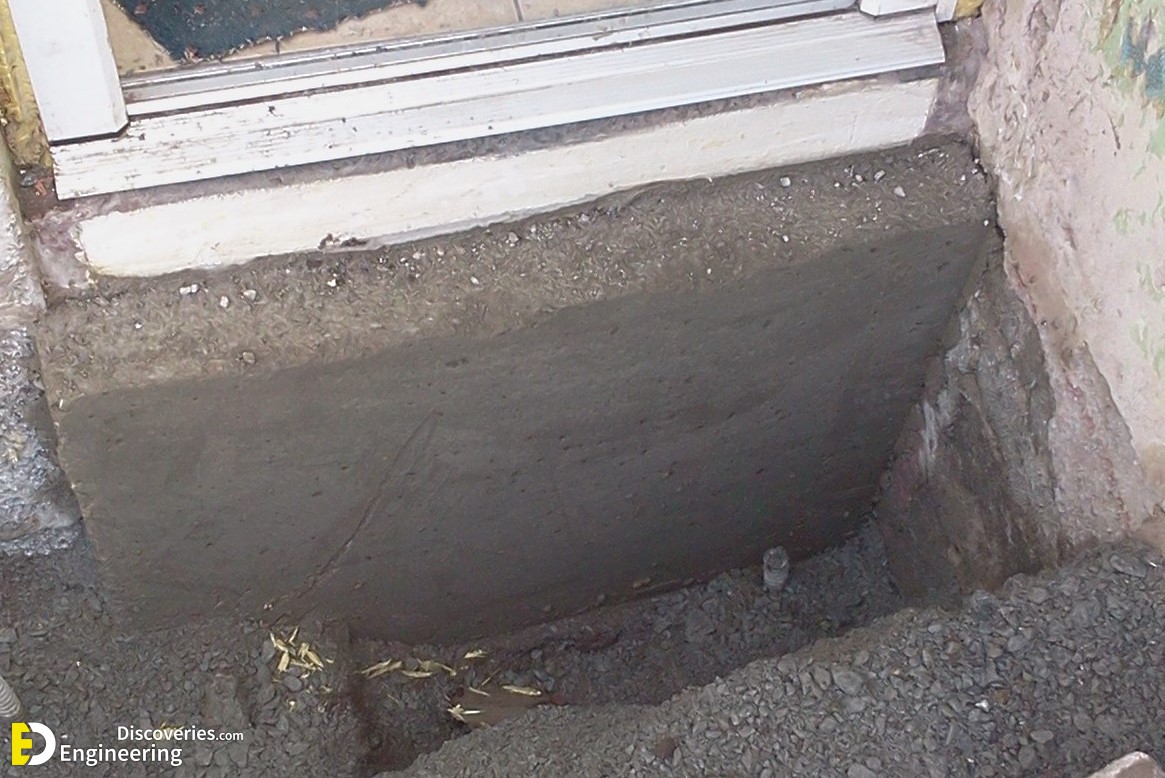
How it Works:
This method is cost-effective and is typically used in low-rise buildings or structures where minimal disruption is desired.
2. Beam and Base Underpinning
Beam and base underpinning involves creating a reinforced concrete beam that is installed under the foundation. This beam redistributes the load of the structure evenly across a broader area of soil or to more stable layers beneath.
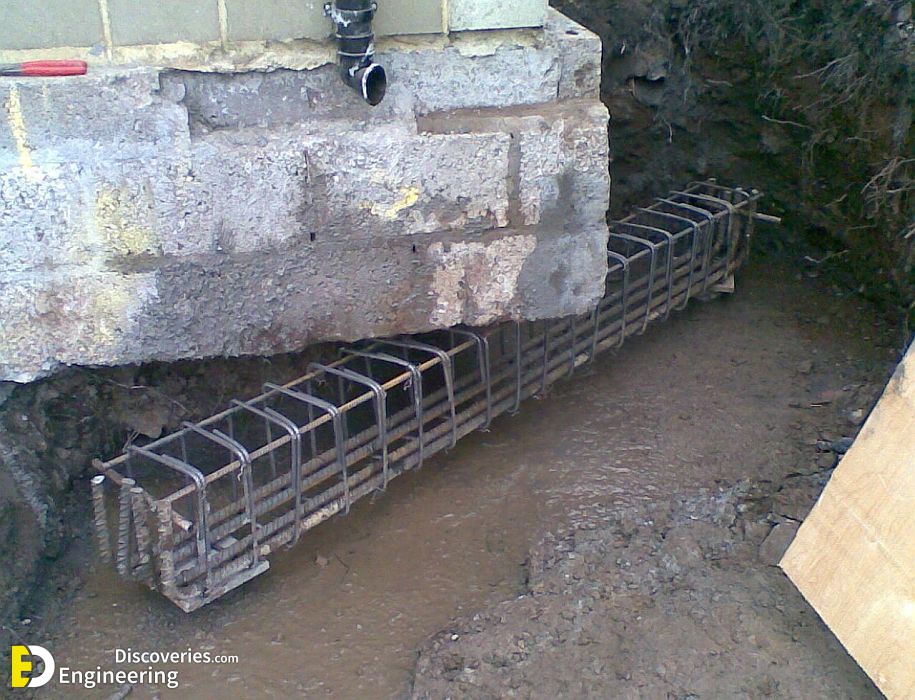
Steps in Beam and Base Underpinning:
This method is especially effective when dealing with larger structures and buildings where the soil is highly variable.
3. Mini-Piled Underpinning
Mini-piled underpinning is used in areas where the soil conditions are highly unpredictable, and access to the site is limited. It involves the use of small-diameter piles, which are drilled deep into the ground to reach stable soil layers. This method is ideal for sites where vibrations and noise must be minimized, making it a popular choice in urban environments.
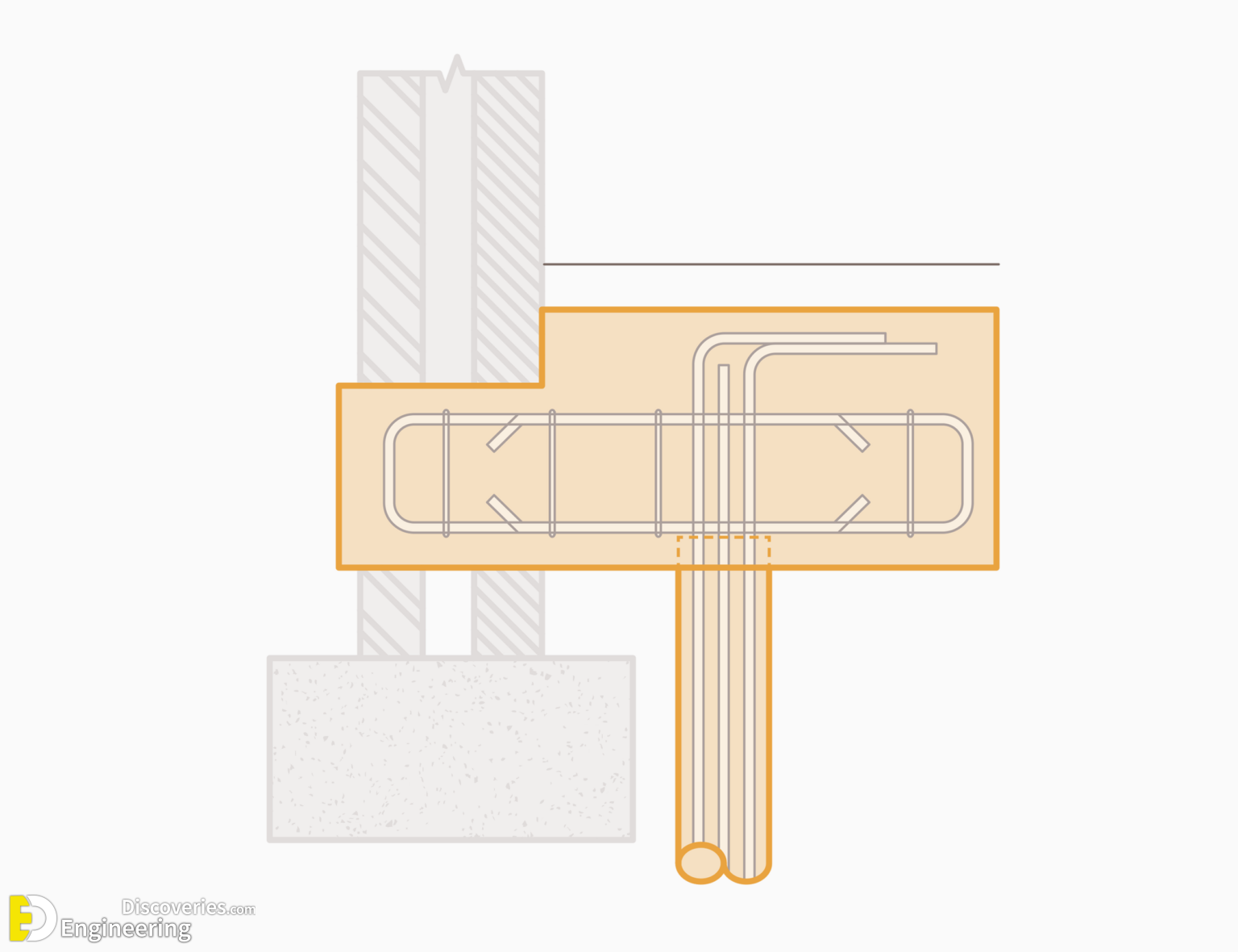
Key Features:
Mini-piled underpinning is more expensive than traditional methods but offers superior results, especially in areas with poor soil conditions.
4. Jet Grouting
Jet grouting is a more advanced and modern method of underpinning. It involves injecting a high-pressure cement grout mixture into the soil beneath the foundation. The grout mixes with the soil, creating a strong and stable support structure.
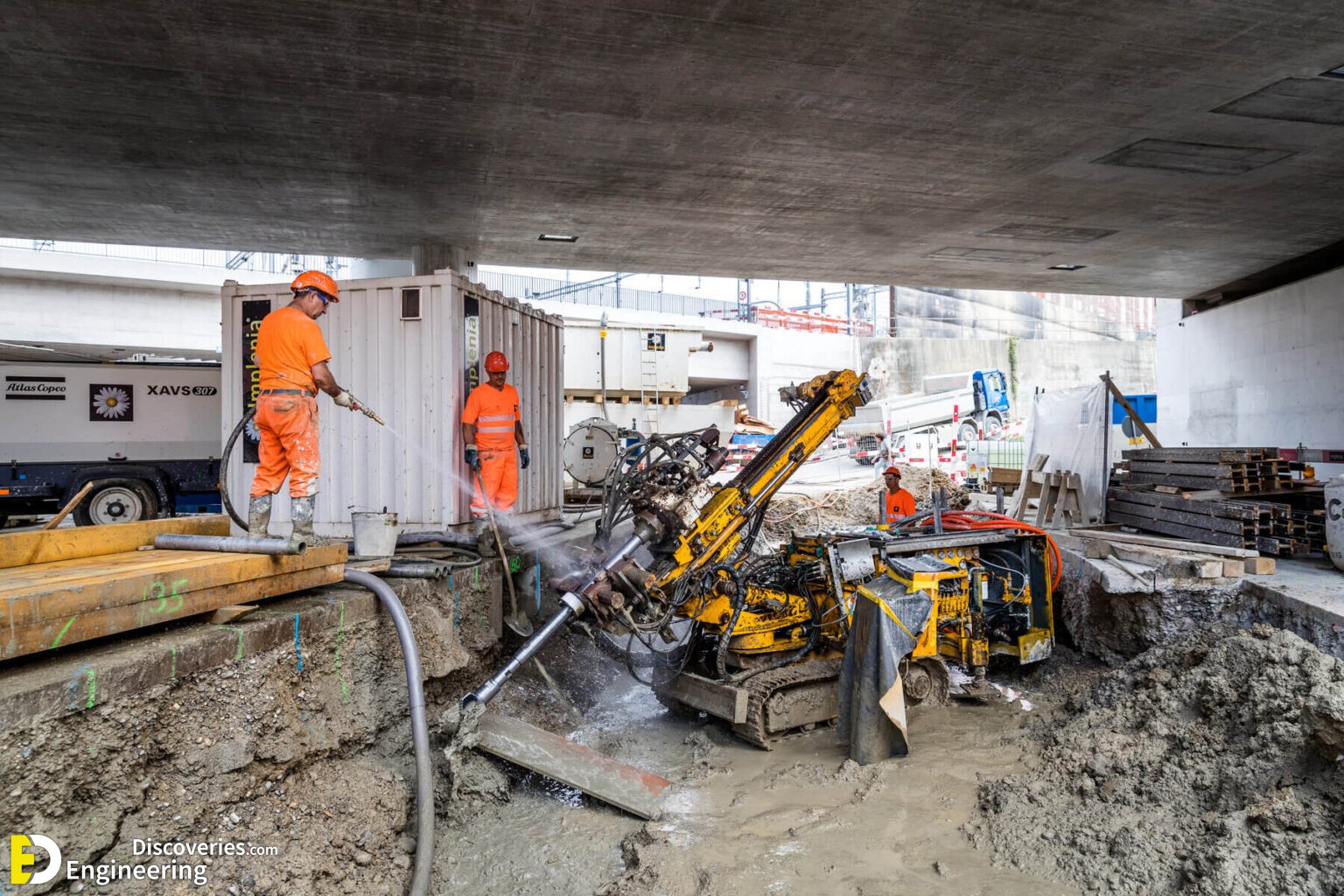
How Jet Grouting Works:
Jet grouting is commonly used in areas with waterlogged soils or where traditional underpinning techniques are not feasible.
5. Pile Underpinning
Pile underpinning involves driving steel or concrete piles deep into the ground to support the structure. The piles are driven through the unstable soil layers until they reach solid ground or bedrock. These piles then bear the load of the building, bypassing the weak or unstable soil altogether.
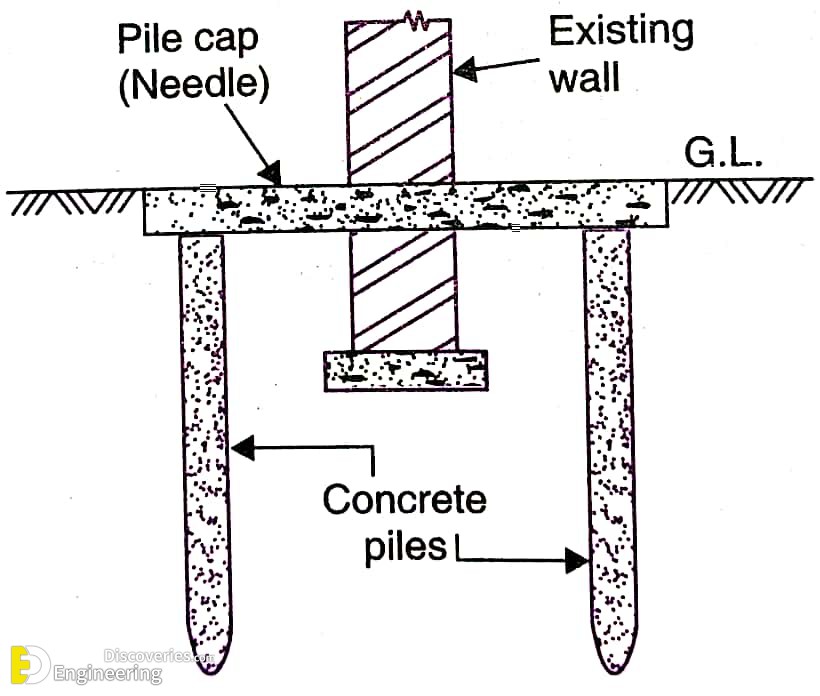
Advantages of Pile Underpinning:
Signs That a Building Needs Underpinning
There are several warning signs that indicate a building’s foundation may be failing and in need of underpinning:
The Importance of Professional Expertise
Underpinning is a complex process that requires professional expertise. Mistakes in the underpinning process can lead to further structural damage and may even pose risks to the building’s inhabitants. It is vital to work with licensed engineers and contractors who specialize in underpinning techniques. They will assess the condition of the building, the soil type, and other relevant factors before deciding on the best method of underpinning.
Click Here To See Rigid vs. Flexible Pavement: Which One Is Better?
Loading related articles...
Loading recent articles...
Loading featured articles...
