
Cantilever beams are common in structural engineering. They support loads without external bracing. Their unique design makes them strong and efficient. Tapering is a key feature in many cantilever beams. It improves performance and material usage.
Understanding Cantilever Beams
A cantilever beam is fixed at one end and free at the other. It carries bending moments and shear forces. These beams appear in balconies, bridges, and overhanging roofs. Their strength depends on shape, length, and material. Engineers design them carefully to resist stress.
Why Tapering Is Important
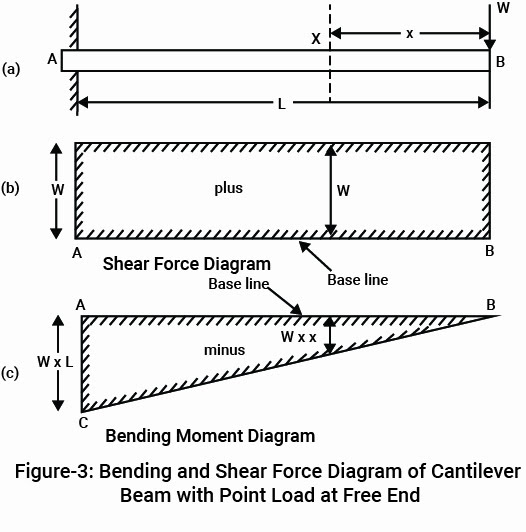
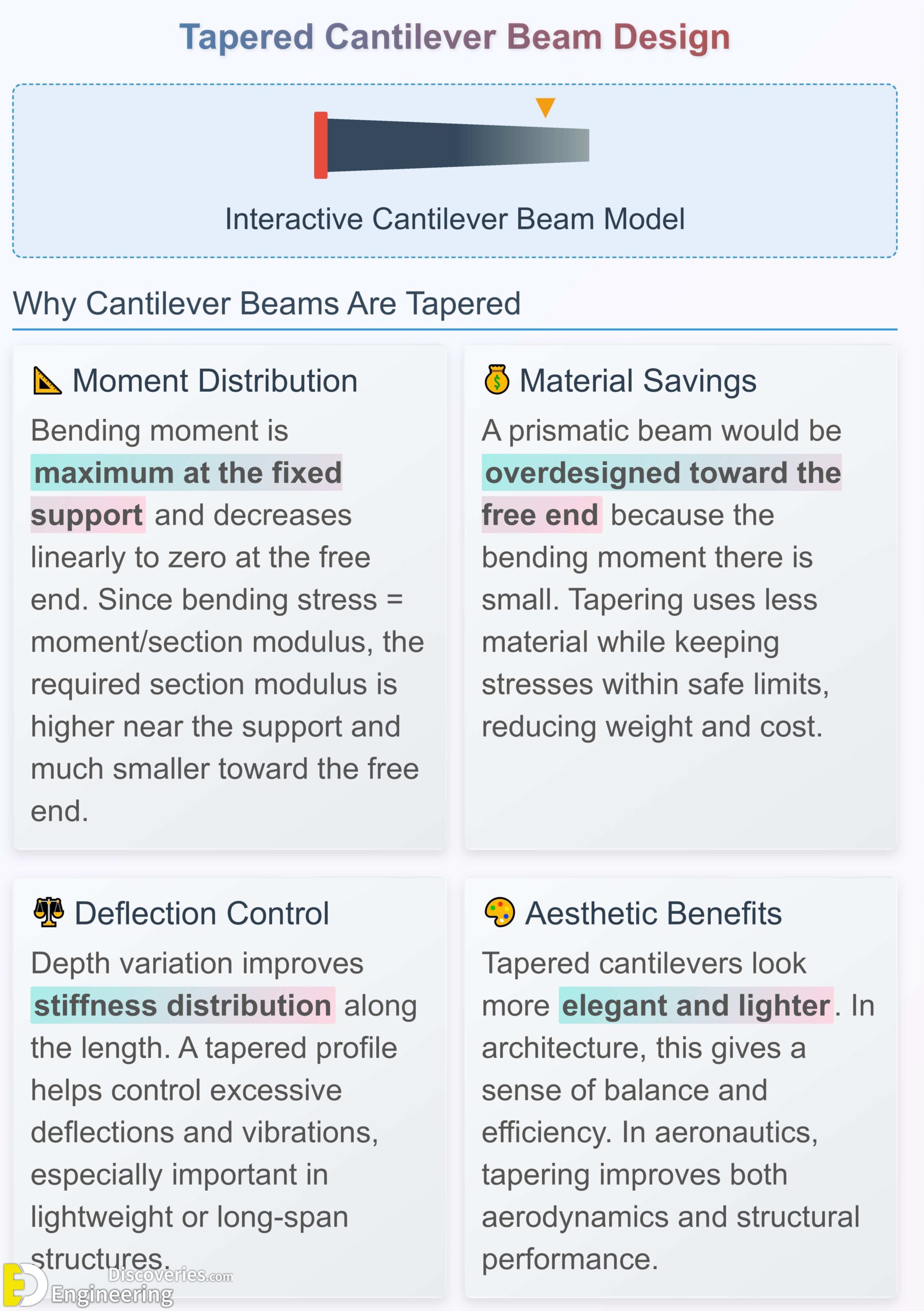
Tapering reduces unnecessary weight. The beam’s cross-section becomes thinner toward the free end. This matches the bending moment distribution. Moments are highest at the fixed support. They decrease toward the free end. A tapered shape uses less material where stress is low.
Benefits of Tapered Cantilever Beams
Efficient Material Use
Tapering cuts down excess material. It saves steel, concrete, or wood without compromising safety. This lowers construction costs.
Better Load Distribution
The tapered shape balances stresses. It minimizes deflection under load. This keeps the beam stable and prevents sagging.
Improved Aesthetics
Tapered beams look modern and sleek. Architects prefer them for visible structures. They blend well with contemporary designs.
Lighter Overall Structure
Reducing beam weight decreases overall structural load. This allows for smaller columns or foundations. The result is a more economical project.
Practical Applications
You will find tapered cantilevers in bridges, stadiums, and high-rise buildings. They are ideal for structures requiring long overhangs. Engineers use them to optimize strength without adding bulk.
Key Design Considerations
While tapering offers many benefits, proper analysis is essential. Engineers check shear, bending stress, and deflection. They choose the right taper ratio to keep safety factors high. An incorrect design may cause structural failure.
Click Here To See How To Calculate Column Size Accurately Using IS 456 Standards
Loading related articles...
Loading recent articles...
Loading featured articles...
