
What is a Crank Bar?
A Crank Bar is an essential reinforcement technique in civil engineering used to strengthen structural components like beams and slabs under flexural stress. This technique enhances the structure’s durability by providing steel reinforcement in tension zones.
Purpose of Crank Bar
The primary purpose of crank bars is to provide reinforcement where the structure experiences tension due to bending moments. It helps in:
Design of Crank Bar
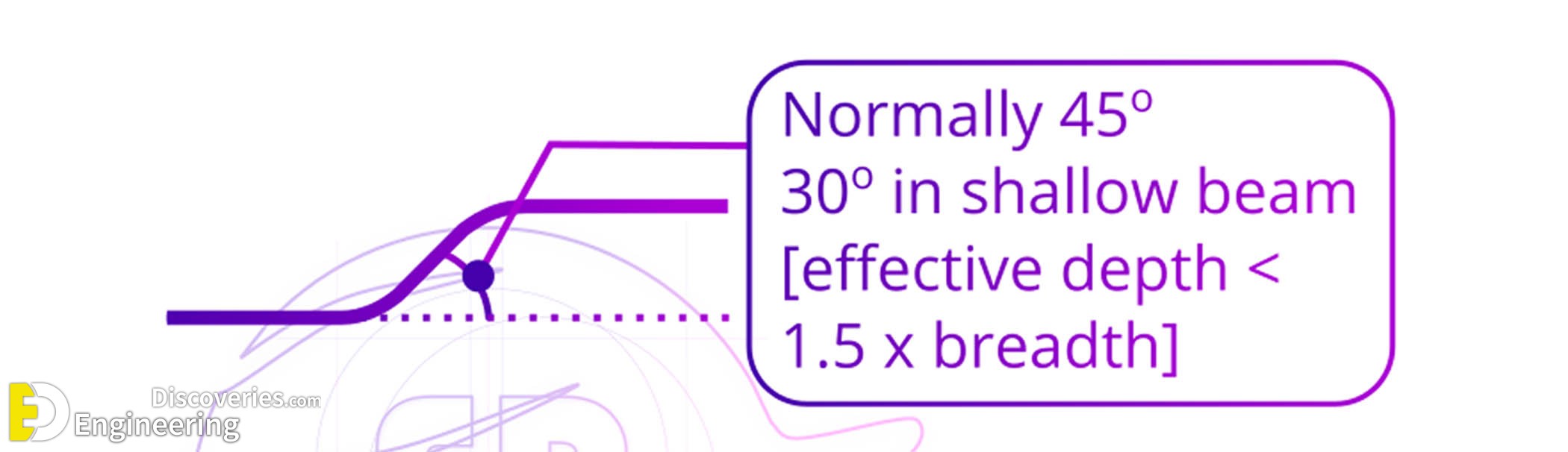
Crank bars are usually bent at an angle of 45° or 30° in shallow beams (with an effective depth less than 1.5 times the breadth). The bend is applied near the supports, where negative bending moments are dominant, while the mid-span remains straight to handle positive bending moments.
Bending Moment and Crank Bar Placement
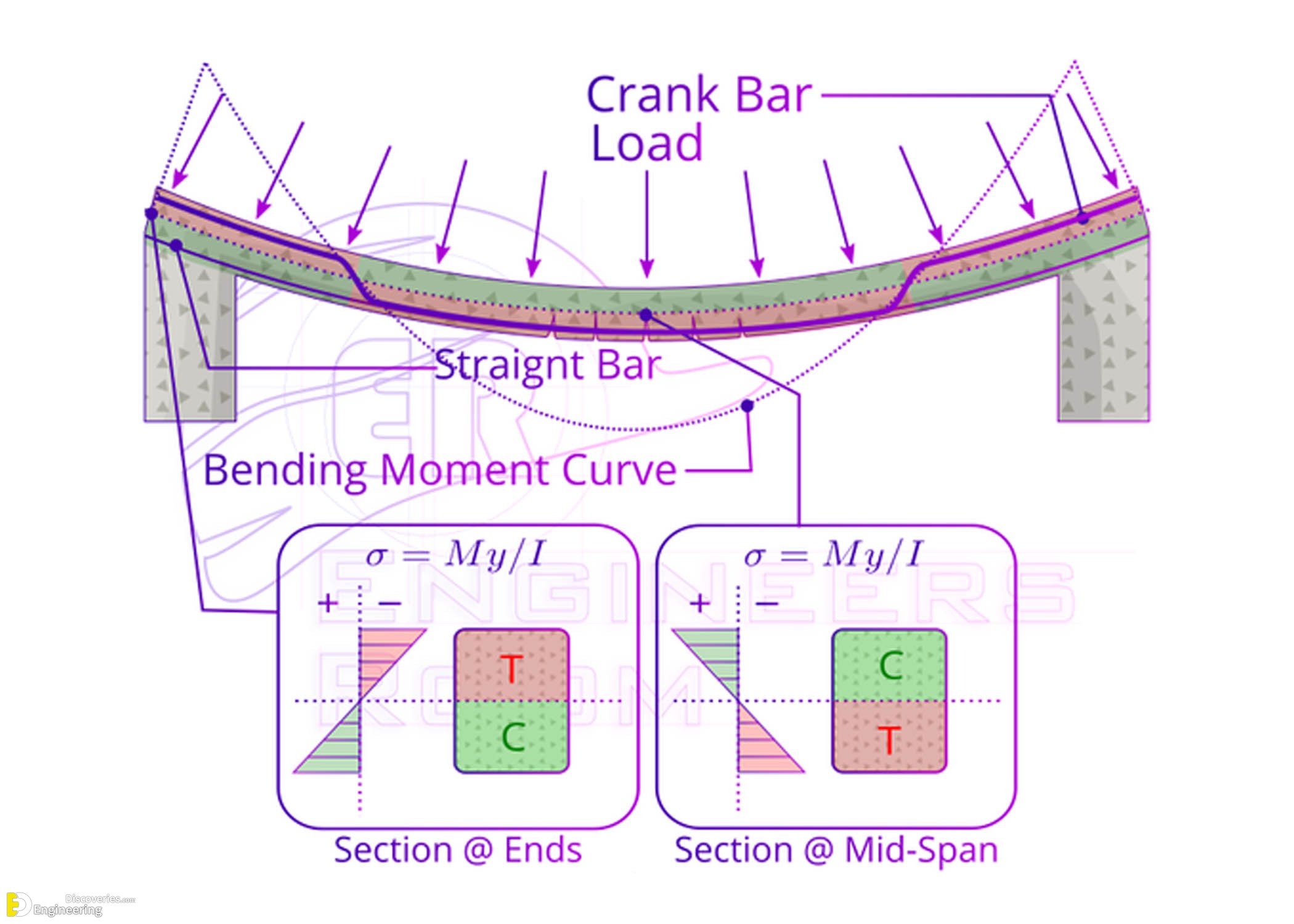
Advantages of Crank Bar
Conclusion
The Crank Bar is a smart and economical method to reinforce beams and slabs, ensuring the structure can resist both positive and negative bending moments. Its strategic placement and design not only enhance the strength but also optimize the use of materials, making it a sustainable solution in civil engineering.
Click Here To See Understanding Concrete Footing Shear Failure And Reinforcement
Loading related articles...
Loading recent articles...
Loading featured articles...
