
In an era marked by increasing seismic activity and rapid urbanization, the necessity of earthquake-resistant buildings has evolved from a visionary concept to an urgent architectural priority. As global infrastructure faces the rising threat of natural disasters, we must invest in innovative engineering solutions that prioritize both safety and sustainability.
Understanding the Need for Earthquake Resistant Structures
Earthquakes can strike with little to no warning, unleashing forces that severely test the integrity of buildings. Traditional structures often fail under lateral seismic loads, leading to catastrophic consequences. Earthquake-resistant buildings are designed to endure such stresses, protecting lives and minimizing structural damage.
These buildings are not only pivotal in reducing human and economic loss, but they also embody the principles of sustainable development, by ensuring durability and reducing the need for extensive reconstruction post-disaster.
Key Principles of Earthquake-Resistant Design
1. Seismic Resistance: Strengthening the Core

Seismic resistance refers to a building’s ability to absorb and dissipate energy during an earthquake. This involves enhancing the structural framework with reinforced concrete, cross-bracing, shear walls, and moment-resisting frames.
By optimizing material use and incorporating redundancy into the load paths, seismic-resistant structures are built to remain intact even under intense tremors.
2. Vibration Control: Dampening the Shock

Vibration control mechanisms are vital for enhancing structural performance during dynamic loading. These systems include tuned mass dampers, viscous dampers, and friction dampers, which act as shock absorbers to dissipate seismic energy.
Such systems are essential for high-rise structures, where wind and seismic activity can lead to excessive swaying, making vibration control not only a matter of safety but also comfort for occupants.
3. Base Isolation: Decoupling from Ground Motion
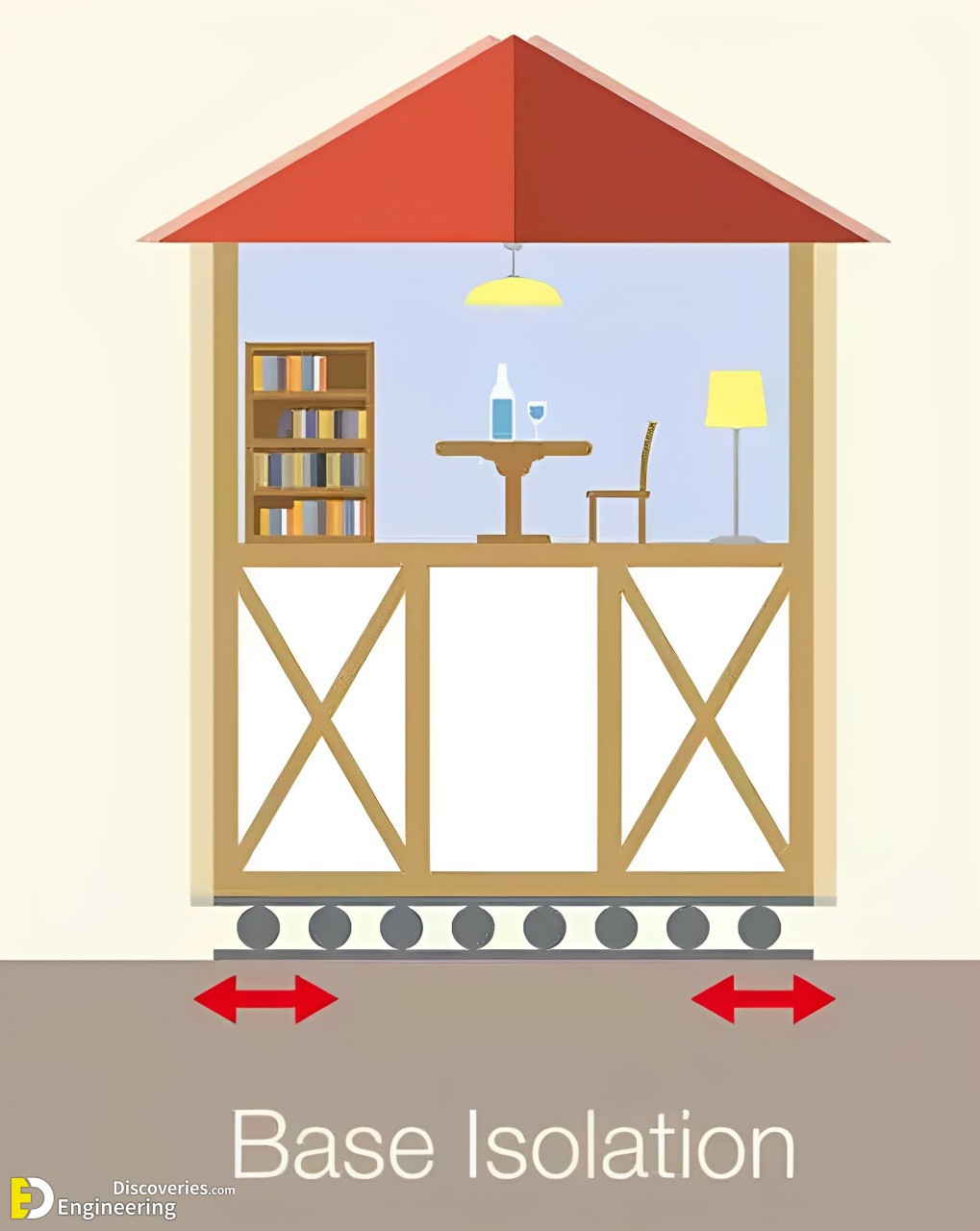
Base isolation systems represent a revolutionary approach in earthquake engineering. By placing flexible bearings between the building and its foundation, these systems decouple the structure from ground motion.
This technique has been successfully implemented in critical infrastructure, such as hospitals, bridges, and emergency centers, ensuring continuous functionality even after seismic events.
Materials That Enhance Earthquake Resistance
Advanced construction materials play a crucial role in earthquake-resistant designs:
By choosing the right materials, we extend a building’s lifespan and improve its sustainability profile.
Smart Technology Integration for Earthquake Resilience
Modern buildings increasingly rely on smart technologies to monitor and respond to seismic activity in real time:
These smart features provide real-time data that can guide evacuations, damage assessments, and repairs.
Sustainable Earthquake-Resistant Architecture
Incorporating sustainability into seismic design means going beyond safety:
By blending green building practices with resilience engineering, we create structures that are both eco-friendly and disaster-proof.
Case Studies of Earthquake-Resistant Structures
Taipei 101, Taiwan
Incorporates a 660-ton tuned mass damper that reduces building sway during earthquakes and typhoons. Its innovative design has become a benchmark for super-tall earthquake-resistant structures.
The New San Francisco–Oakland Bay Bridge, USA
Built using base isolation bearings and shock-absorbing joints, this bridge is designed to withstand the most severe seismic events projected for the region.
The Sabiha Gökçen Airport Terminal, Turkey
Features one of the world’s largest base-isolated buildings, showcasing how seismic resilience can be integrated into essential public infrastructure.
Burj Khalifa, UAE
Designed with wind and quake resistance.
Retrofitting Existing Structures for Seismic Safety
Not all buildings are new. Retrofitting offers a practical solution to enhance the resilience of older buildings:
With the right retrofitting strategy, even heritage buildings can be preserved safely in seismic zones.
The Role of Urban Planning and Policy
Earthquake resistance extends beyond individual buildings. It must be supported by:
Together, these measures foster cities that are not just survivable, but thrivable in the face of natural disasters.
Global Standards and Building Codes
Building codes serve as the first line of defense against seismic disasters. Countries with high seismic risks implement strict codes, such as:
Adhering to these codes ensures compliance with latest research, modeling data, and seismic mapping, minimizing risk.
Global Examples of Earthquake-Resistant Architecture
Click Here To See Essential Rules For Designing Earthquake-Resistant Reinforced Concrete Buildings
Loading related articles...
Loading recent articles...
Loading featured articles...
