
Earthquakes pose a severe threat to buildings, and improper design can lead to catastrophic failure. Reinforced concrete (RC) structures must be carefully designed to withstand seismic forces, ensuring the safety of occupants. This article outlines three crucial design principles for creating earthquake-resistant reinforced concrete buildings.
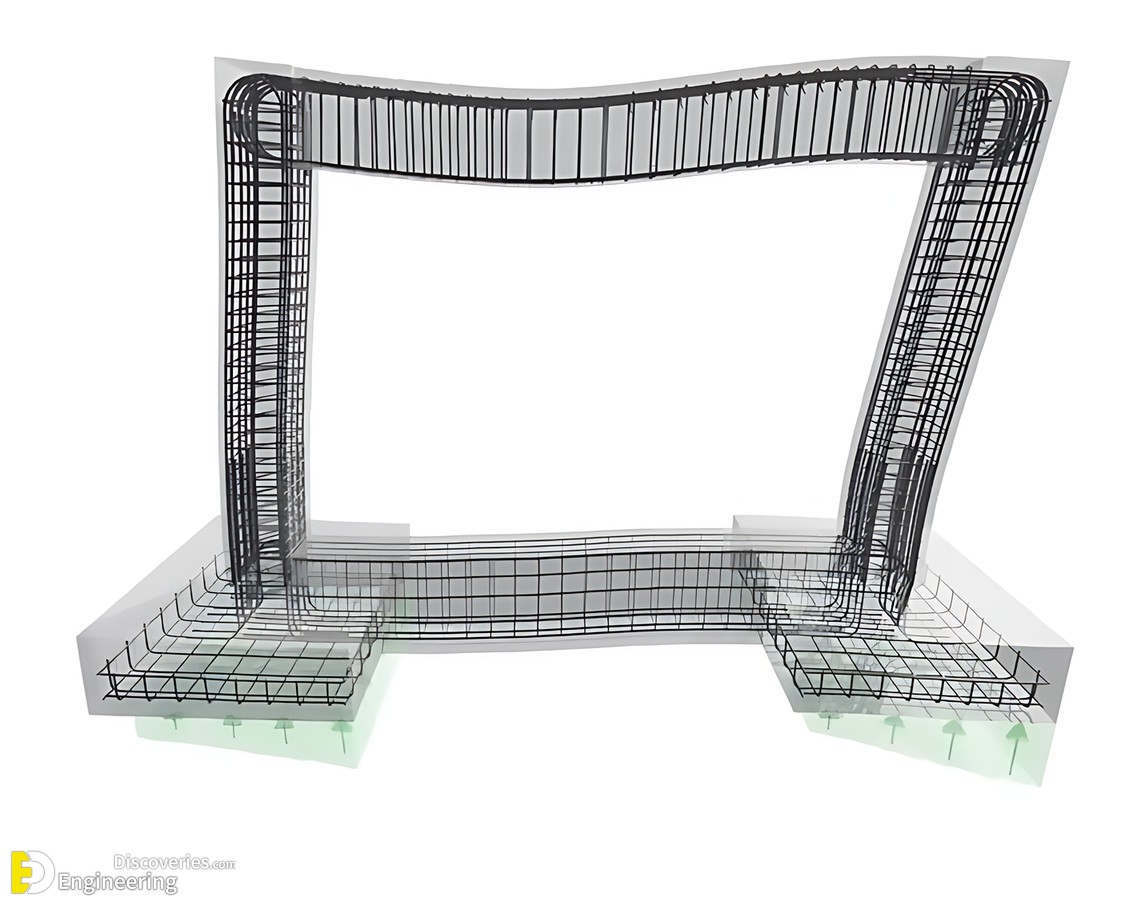
1. Lower Beam Rebars Must Be Anchored Properly, Just Like the Top Ones
In reinforced concrete beams, both top and bottom reinforcement bars (rebars) must be adequately anchored to ensure structural integrity under seismic loads. When a building corner experiences a closing moment, the top rebar undergoes tension,
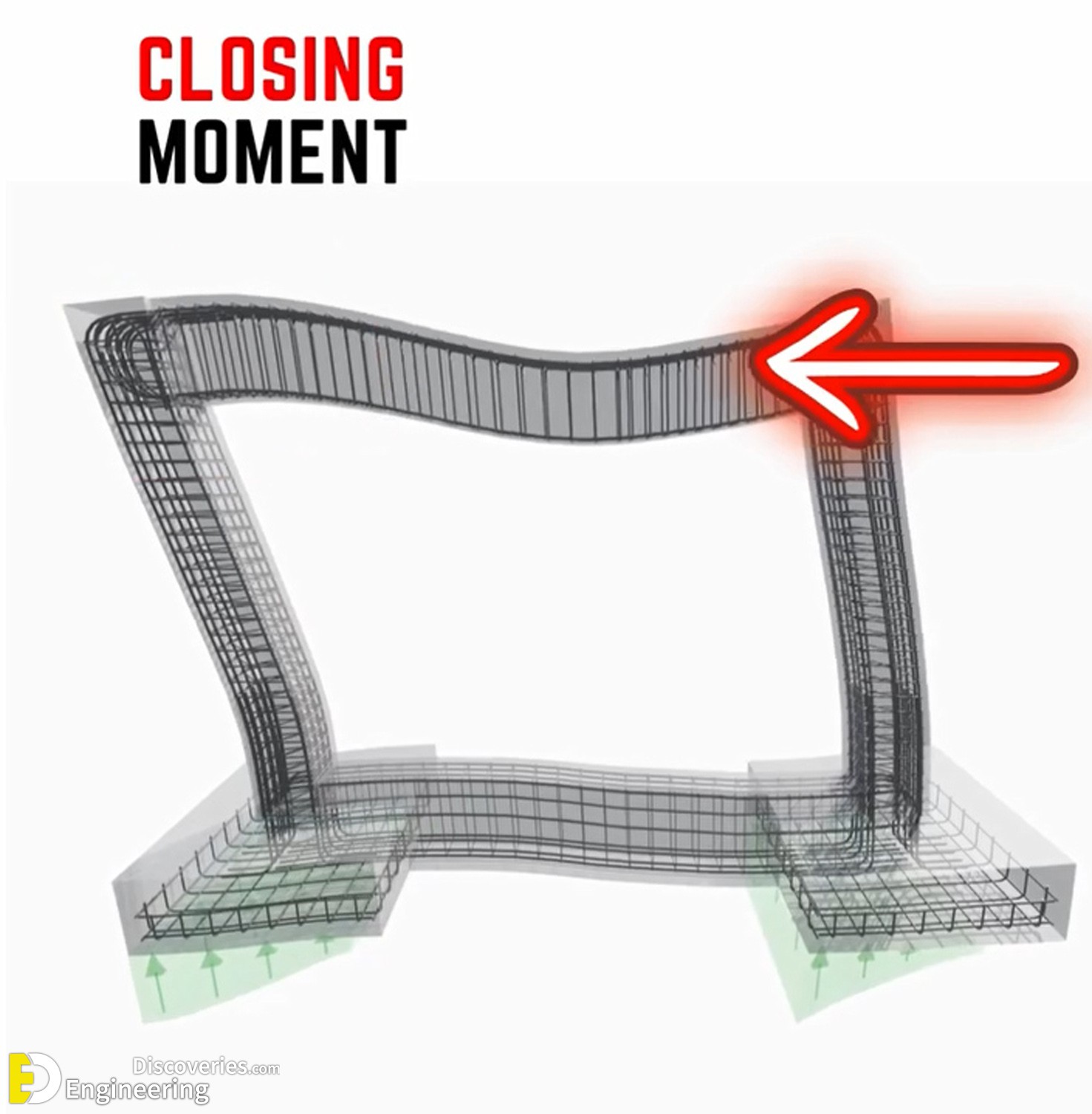
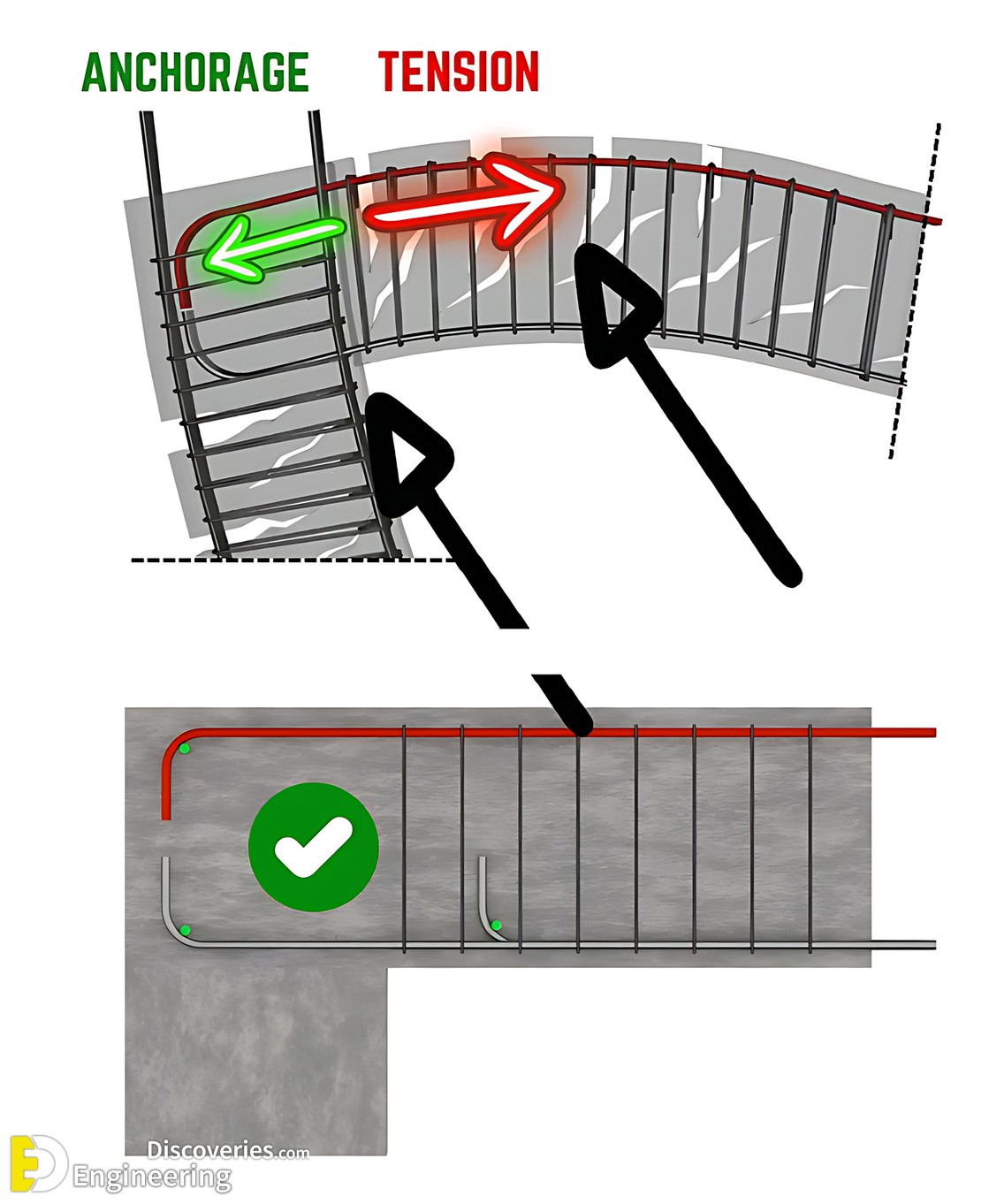
while in an opening moment, the bottom rebar experiences tensile forces. If these rebars are not anchored correctly, structural failure can occur at critical moments, leading to severe damage or collapse.
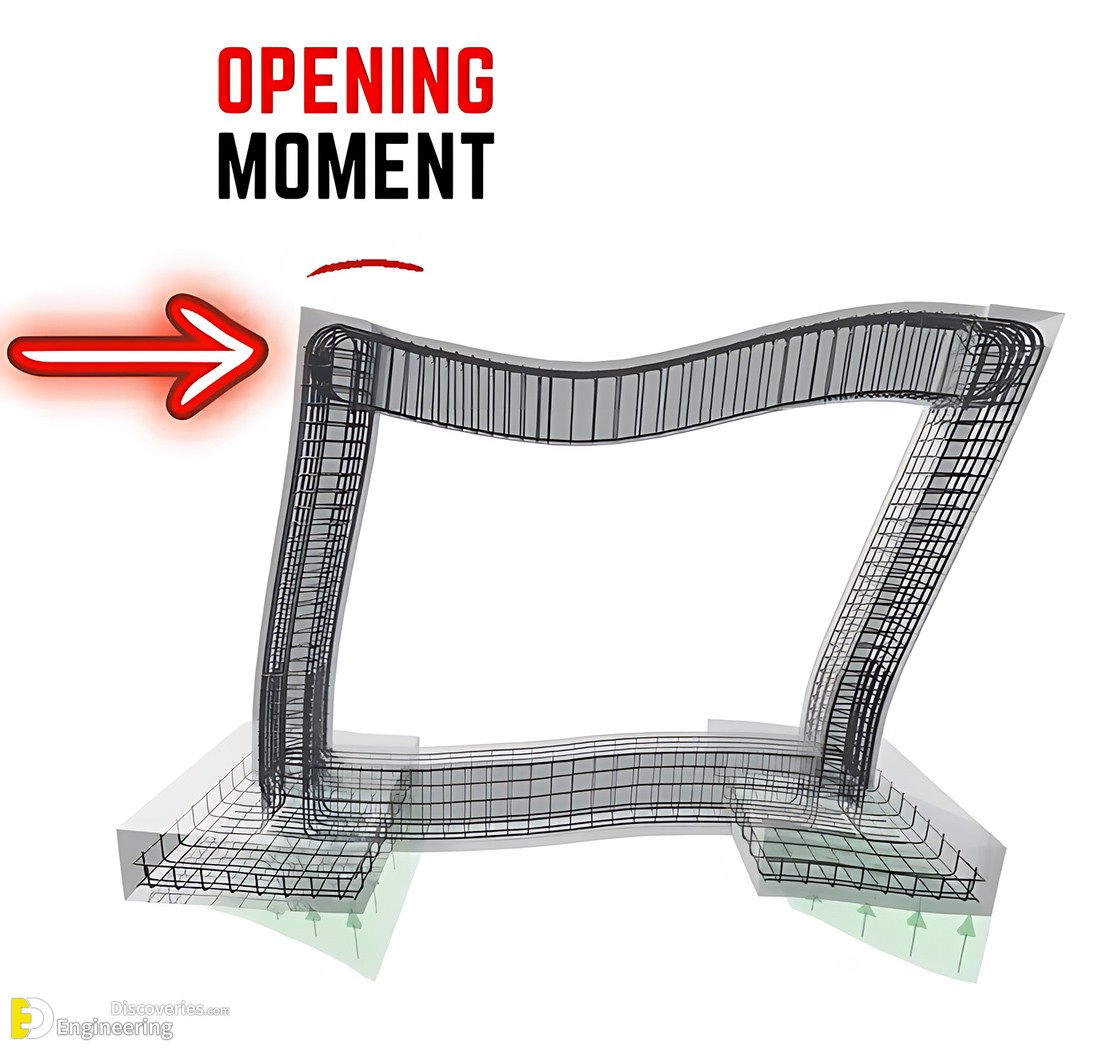
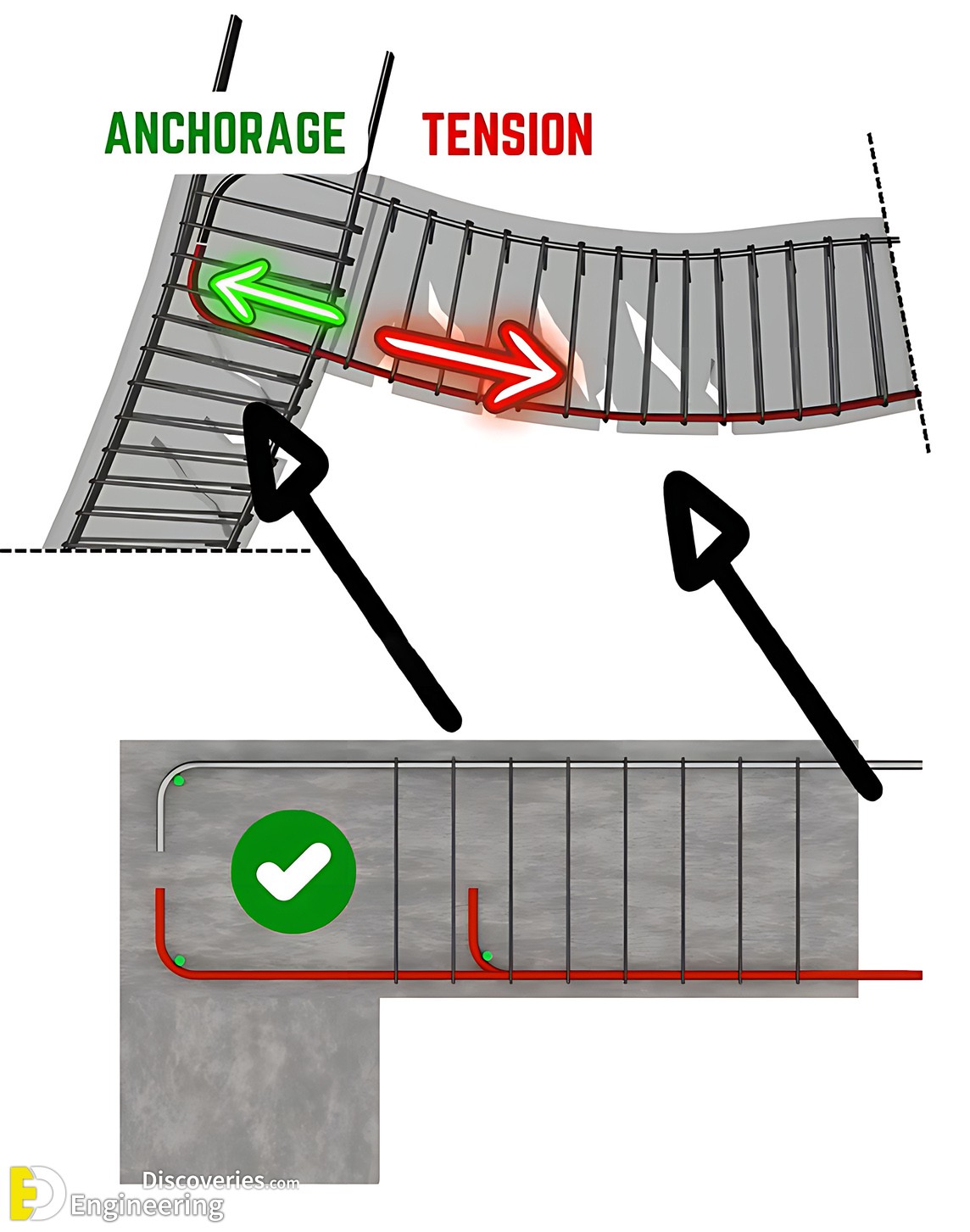
Key Considerations for Proper Anchorage:
Neglecting proper anchorage of lower rebars significantly reduces structural ductility, making the building susceptible to severe damage even in moderate earthquakes.
2. Adequate and Well-Anchored Stirrups in Columns and Beams
Stirrups are crucial in reinforced concrete design as they hold the main rebars together, prevent diagonal cracks, and enhance ductility. Diagonal shear failure is sudden and catastrophic, making adequate stirrup placement essential in earthquake-prone regions.
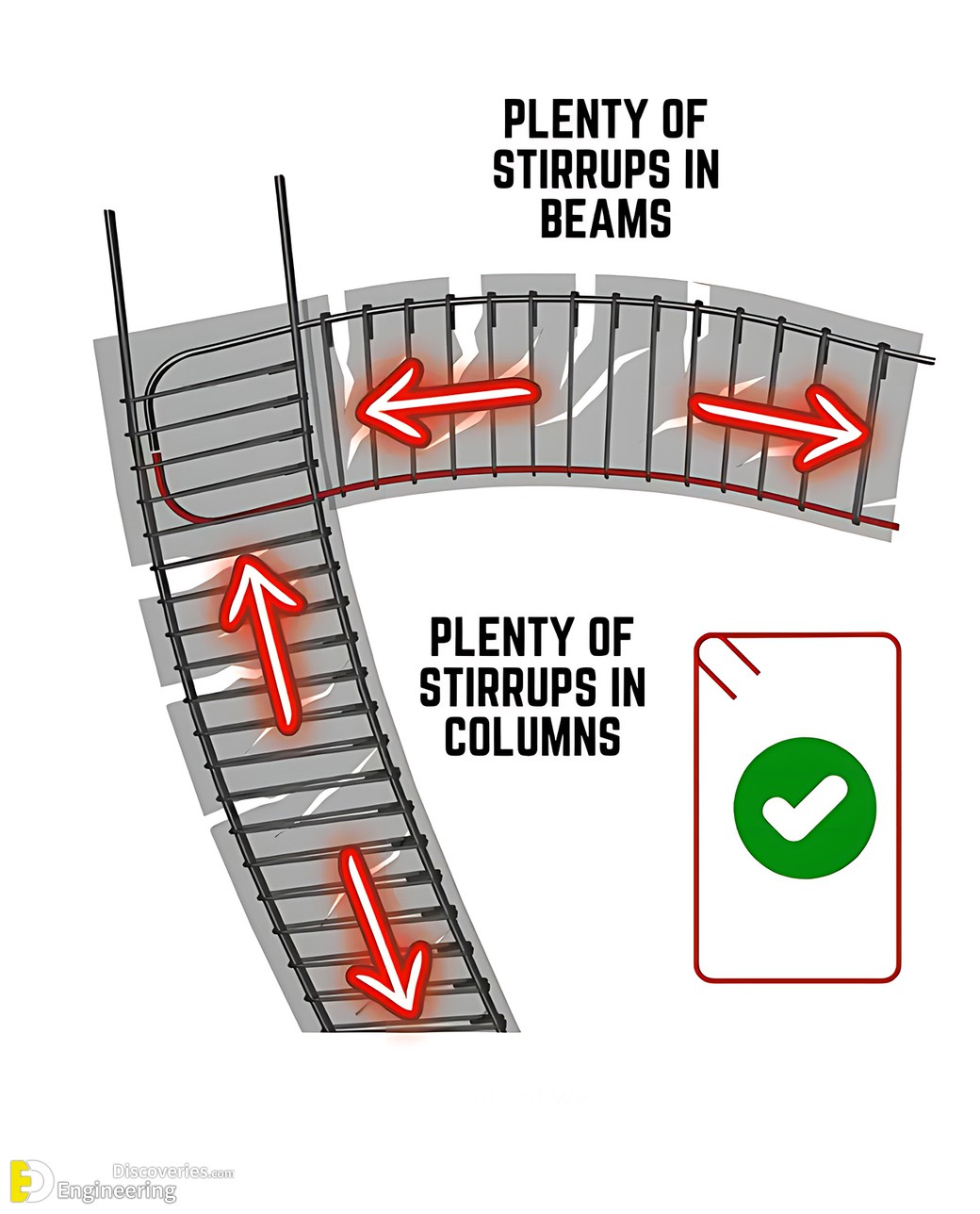
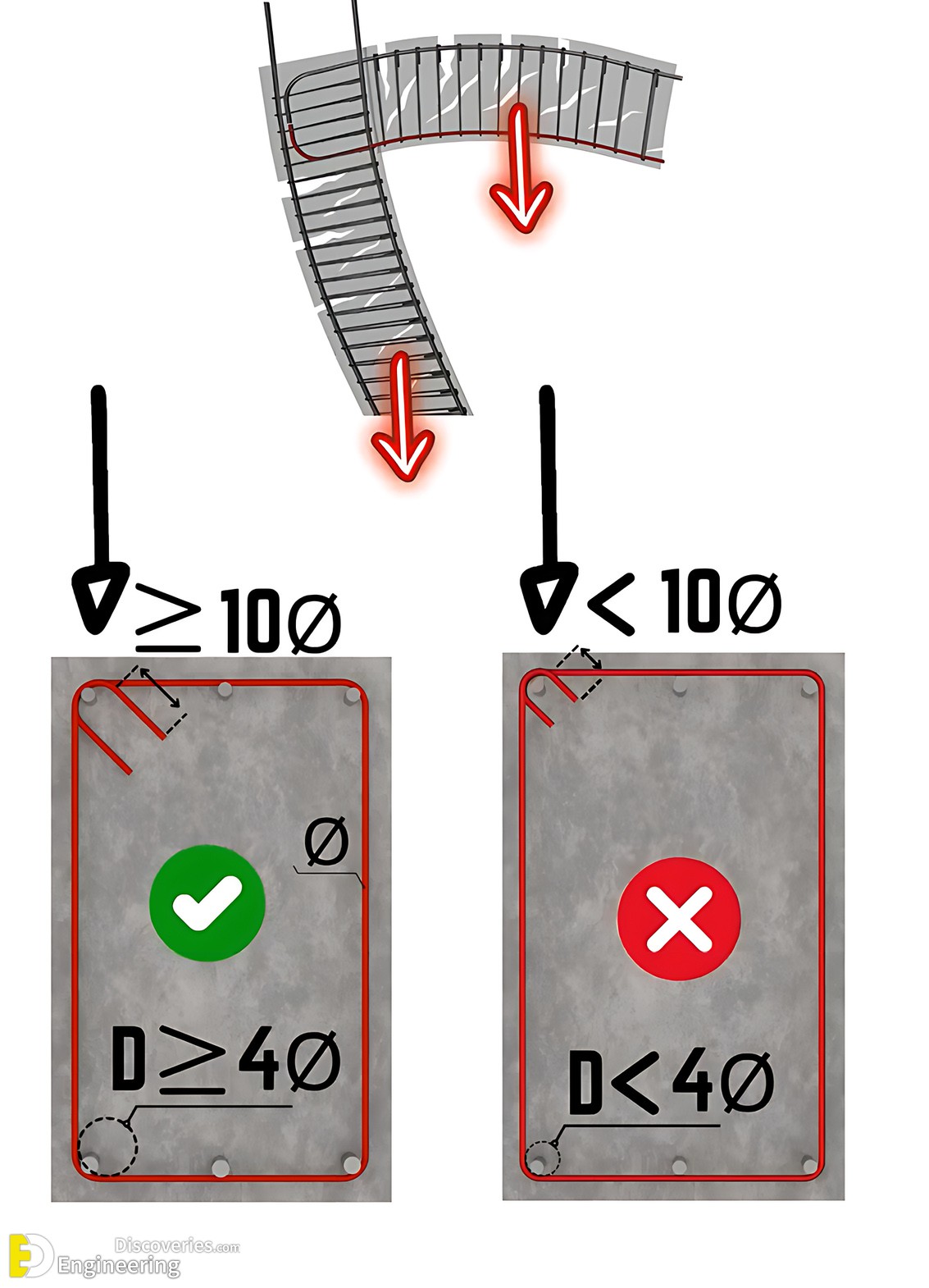
Importance of Well-Anchored Stirrups:
Consequences of Insufficient Stirrups:
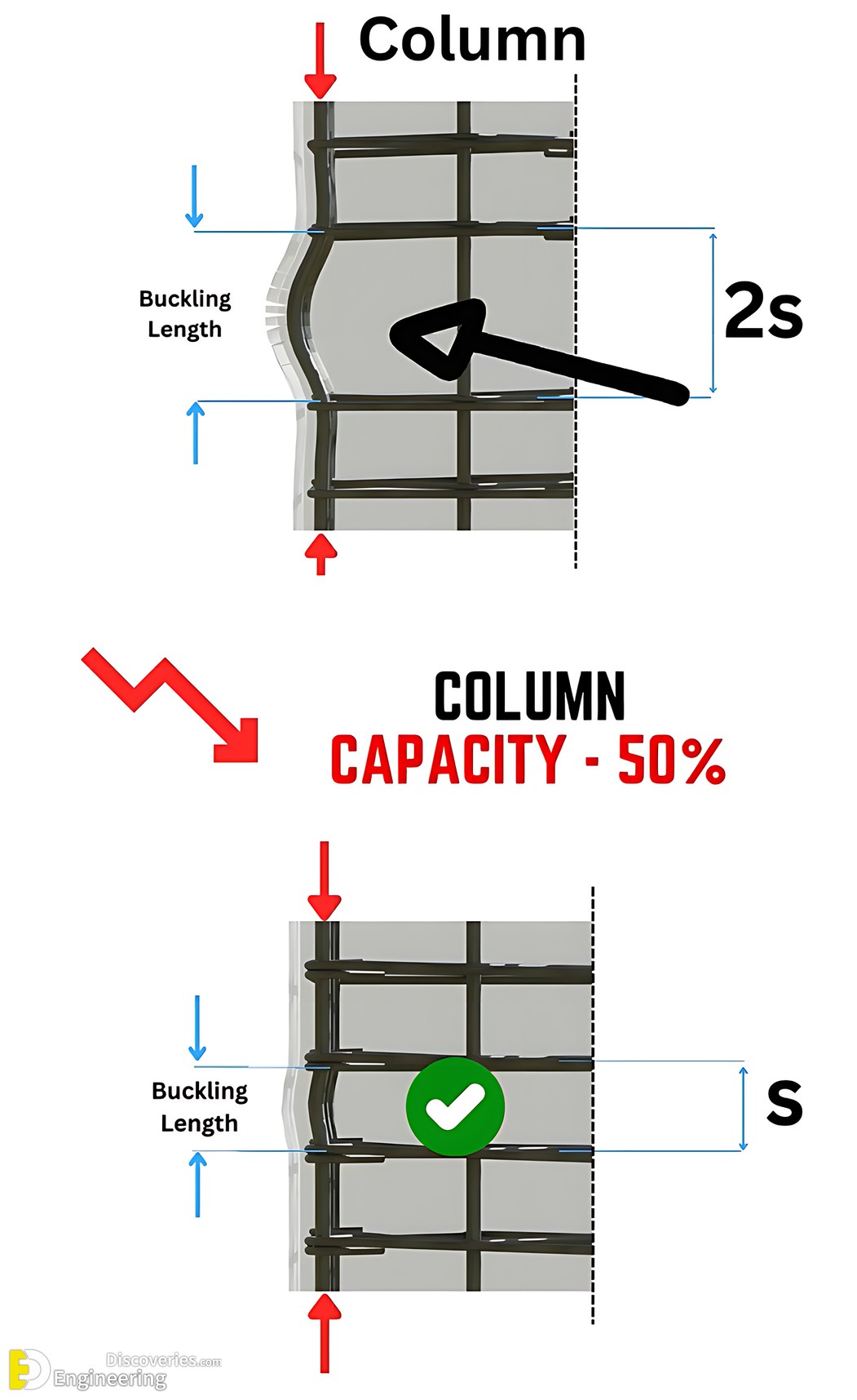
Adopting seismic detailing with adequate stirrup anchorage is a non-negotiable requirement for earthquake-resistant reinforced concrete buildings.
3. Strong Columns, Weak Beams – A Fundamental Seismic Design Principle
A key philosophy in earthquake-resistant design is ensuring columns remain stronger than beams. In extreme earthquakes, it is preferable for beams to fail rather than columns. This concept, known as the “Strong Column-Weak Beam” approach, is essential to prevent catastrophic collapse.
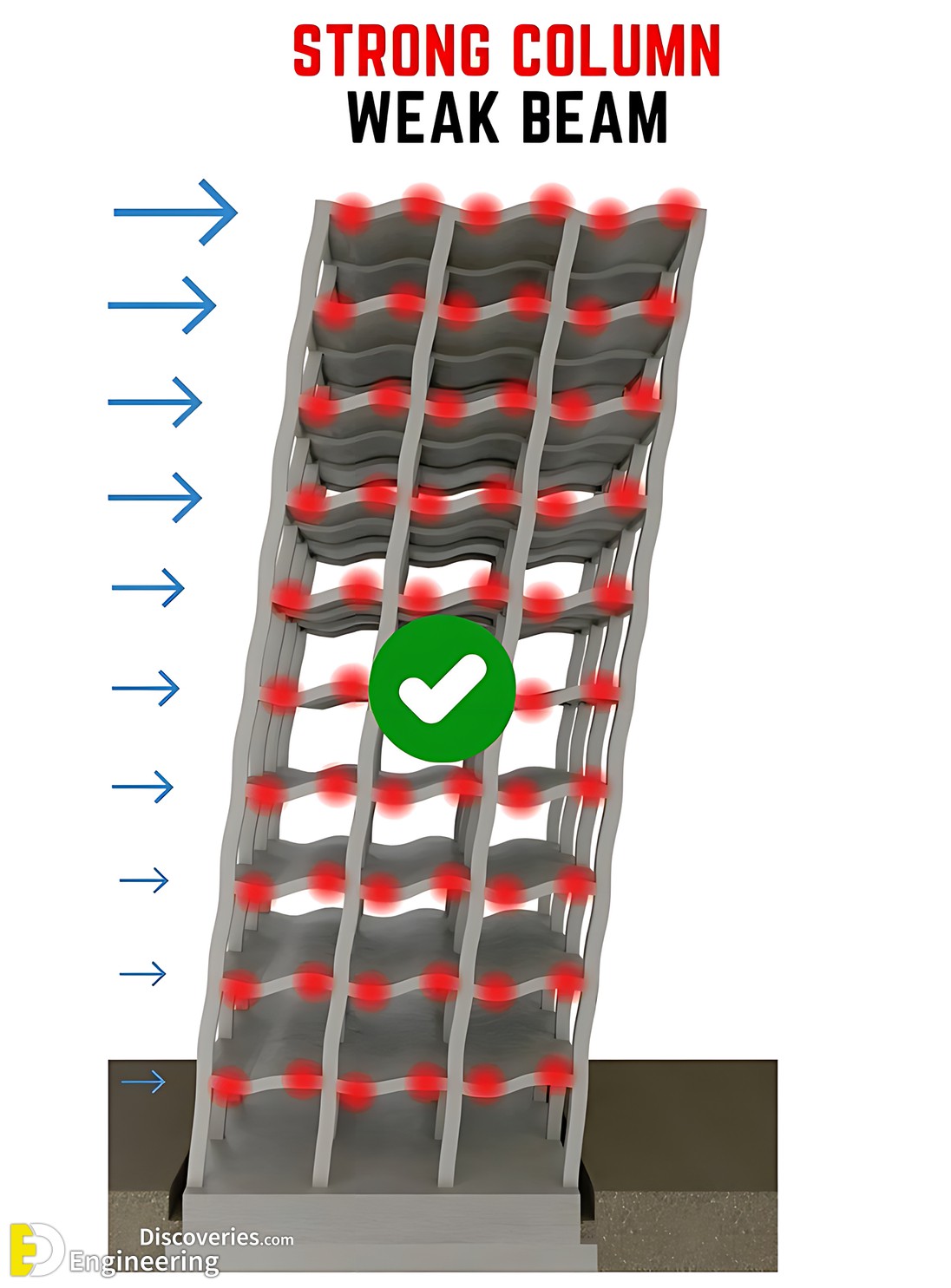
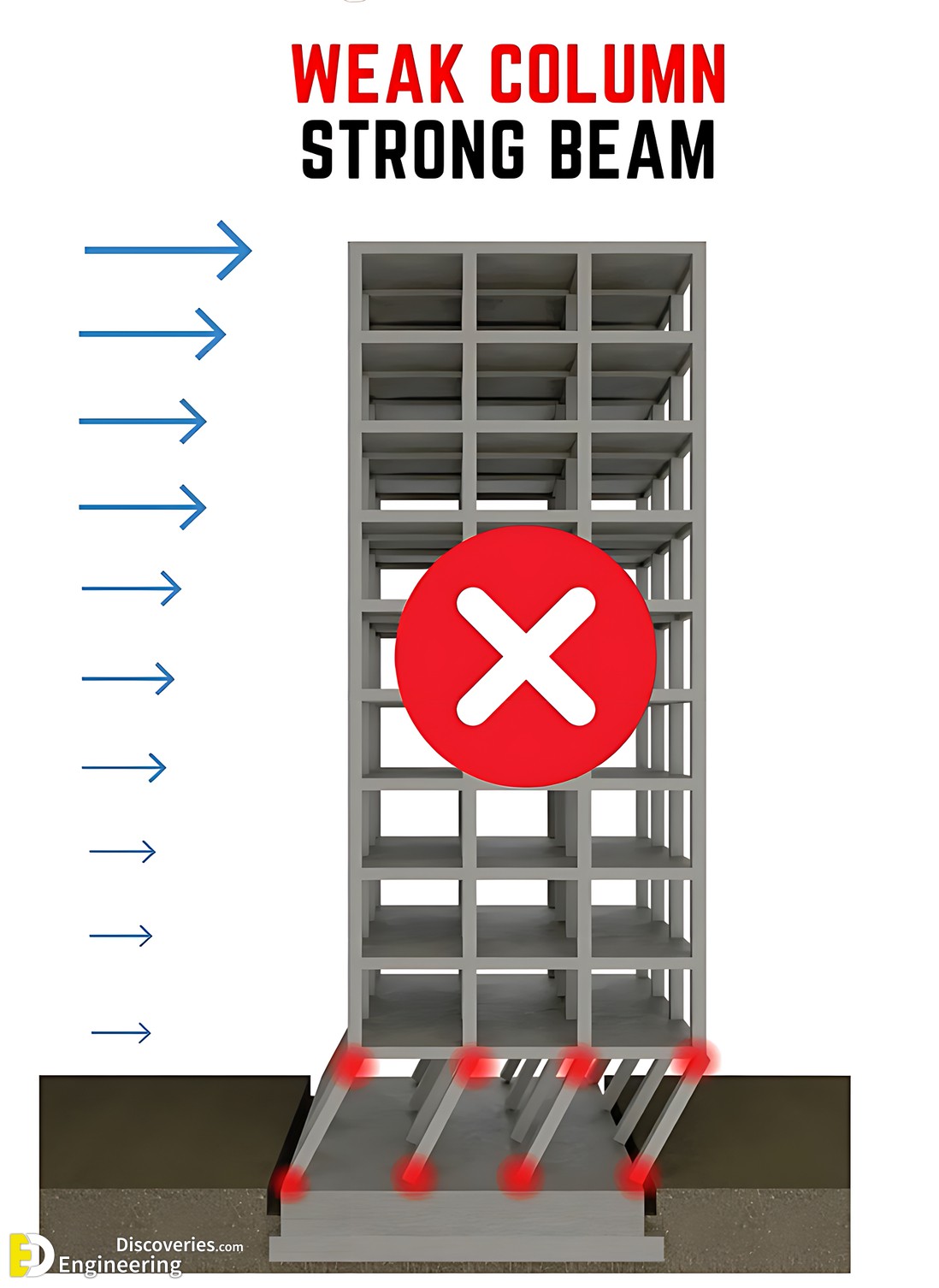
Why Prioritize Strong Columns Over Beams?
Design Strategies for Strong Columns and Weak Beams:
Buildings that do not adhere to the strong column-weak beam principle are at high risk of total collapse during severe seismic activity.
Click Here To See How To Calculate The Size Of Columns?
Photo Credit: pro_level_civil_engineering
Loading related articles...
Loading recent articles...
Loading featured articles...
